Applications for the 2027 Mandela Washington Fellowship open today, September 22, giving young African leaders their first real window into what’s become one of the most competitive professional development programmes on the continent. The Fellowship is the flagship programme of the US government’s Young African Leaders Initiative, bringing accomplished young leaders from across Sub-Saharan Africa to the United States for intensive training, mentorship, and networking, and this cycle arrives with a structural change worth paying attention to before you apply.
A New Track Built for This Moment
Applicants for the 2027 cohort will choose from three tracks: Business and Trade, Emerging Technologies, and Governance and Security. That’s a shift from the Fellowship’s longer-running structure of Business and Entrepreneurship, Civic Leadership, and Public Management, and the addition of a dedicated Emerging Technologies track is the detail worth sitting with. It signals the programme adjusting to where young African leadership is actually concentrating, AI, digital infrastructure, fintech, and the broader wave of technology-driven problem solving that has come to define so much of the continent’s most consequential work over the past several years. For founders and technologists specifically, this is the first cycle where the Fellowship has drawn a direct line to that work rather than folding it into a broader business or civic category.
How Selective This Actually Is
The numbers behind the Fellowship are genuinely daunting. Roughly 50,000 young Africans typically apply each cycle, and about 700 are selected, an acceptance rate near 1.4%, tighter than admission to most Ivy League universities. Eligibility is straightforward on paper: applicants generally need to be between 25 and 35 years old at the time of application, with an established record of leadership, innovation, and positive impact in their community or country. Meeting the age and eligibility bar gets you in the pool. The selection process is where the real competition happens.
What Fellows Actually Get
Selected Fellows spend six weeks at a US college or university for an intensive Leadership Institute, covering coursework, leadership training, mentoring, and professional networking tied to their chosen track. That’s followed by a summit in Washington DC and further professional development programming, with a smaller group of Fellows going on to Professional Development Experiences, placements embedded directly with US organisations and companies relevant to their field. The scale behind this is considerable: the US government has allocated roughly $15 million for the Fellowship’s FY2026 cooperative agreement, with around $250,000 transferred to each host university or organisation administering an Institute. Since the programme’s founding in 2014, it has built an alumni network of nearly 7,800 young leaders spanning every country in Sub-Saharan Africa, a network Fellows consistently describe as one of the programme’s most lasting benefits, producing real business partnerships, funding collaborations, and job referrals well after the six weeks end.
What This Has Actually Produced
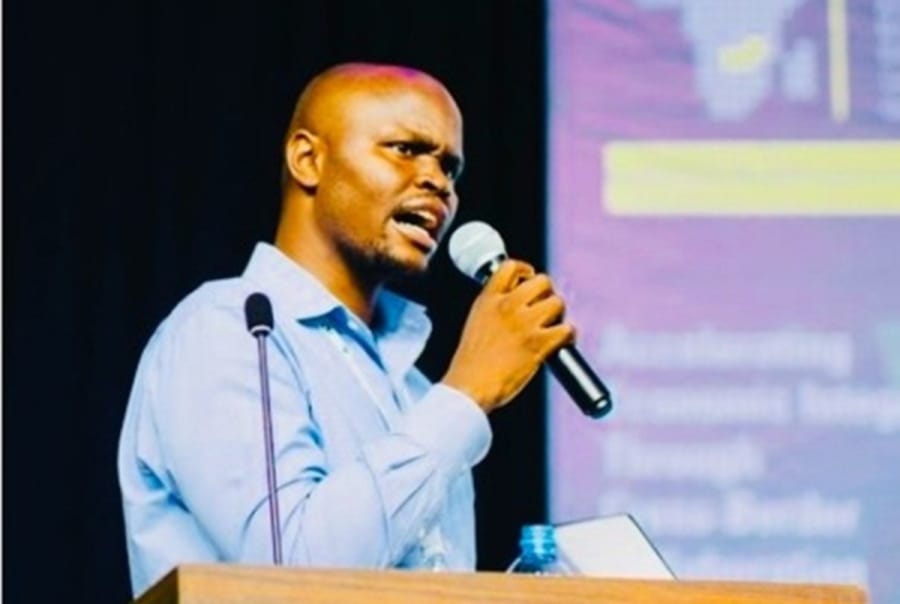
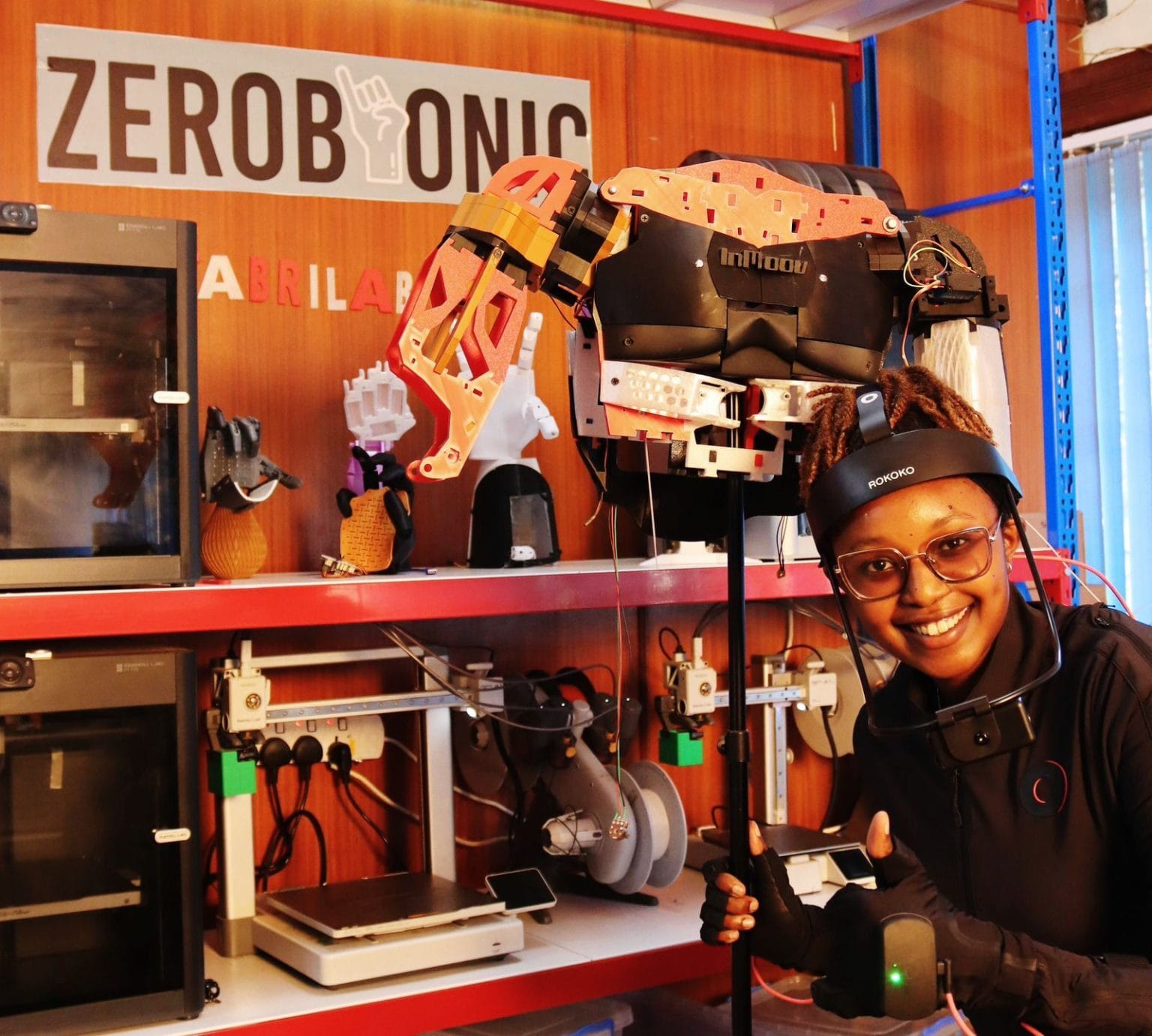
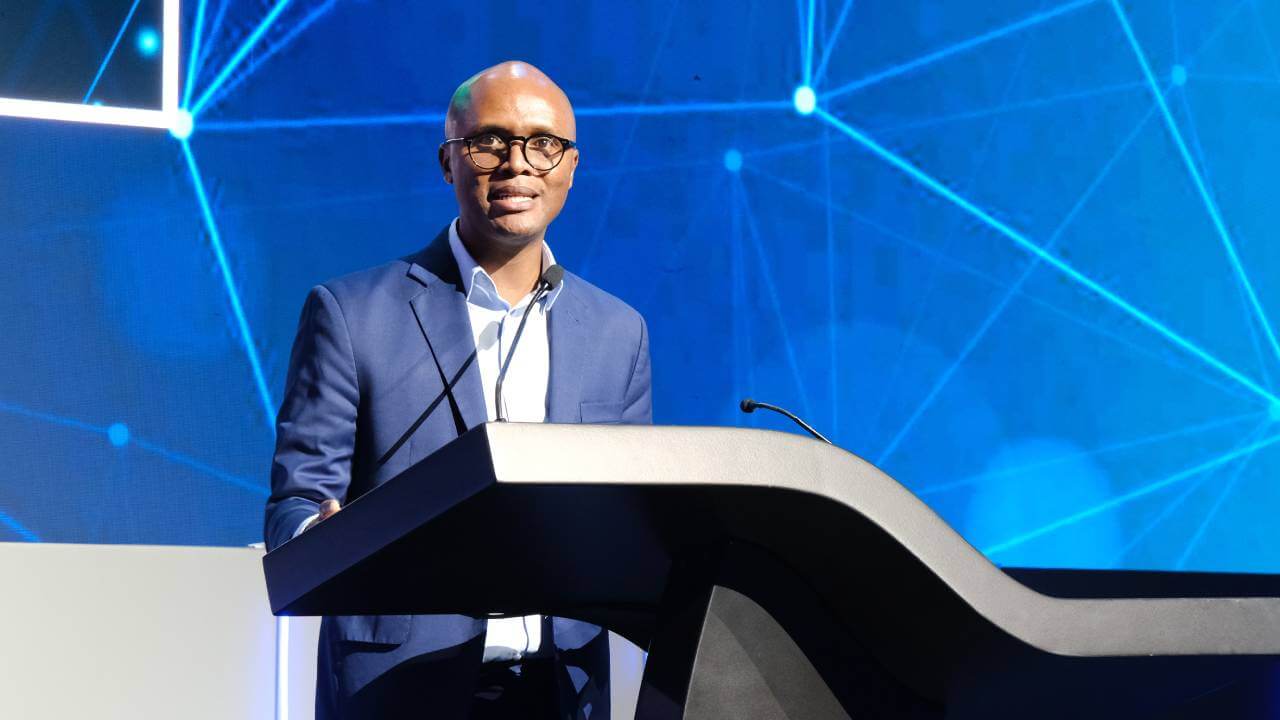
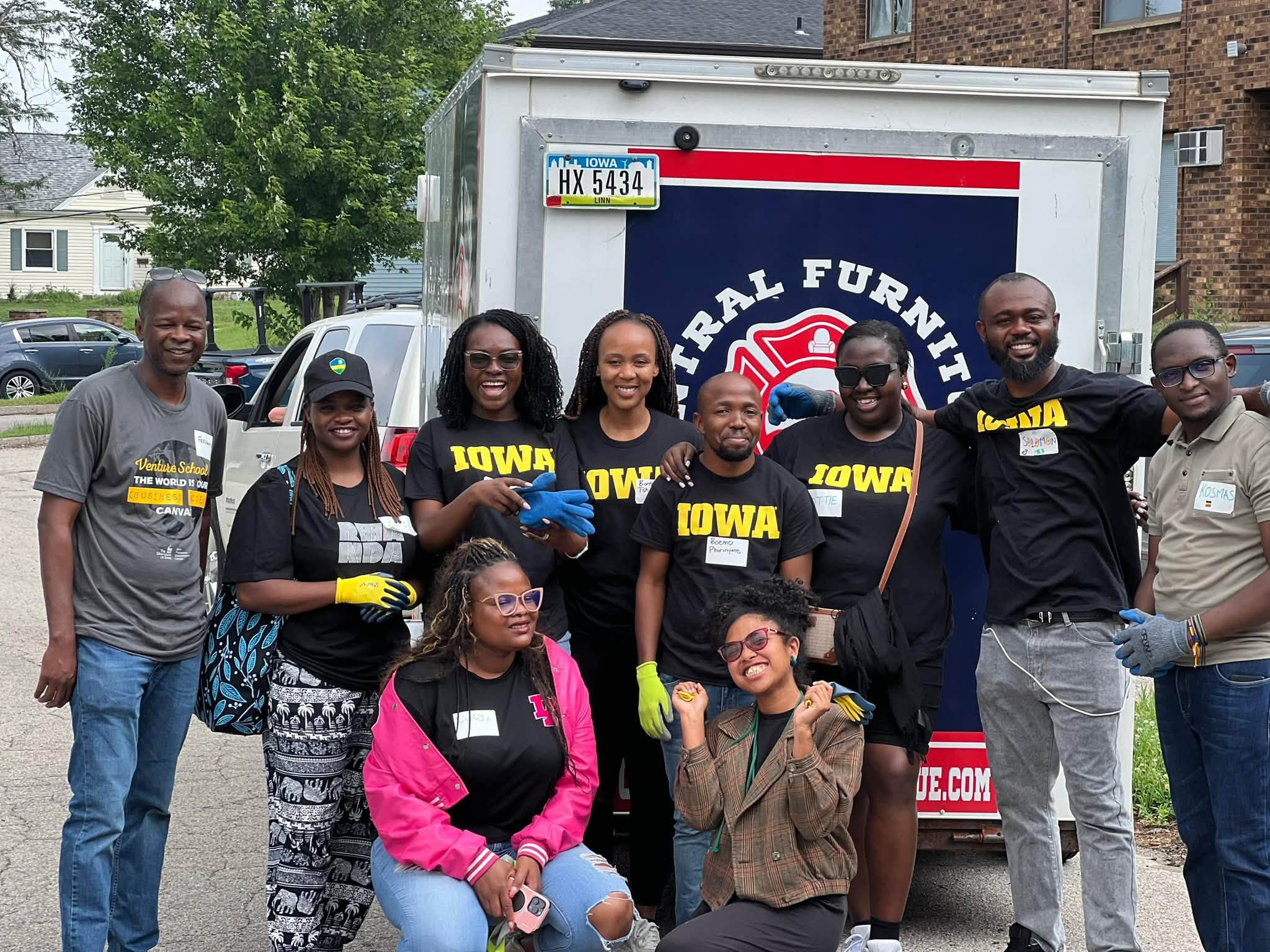
The Fellowship’s impact shows up concretely in founders already covered on this platform. Solomon Kershima Yateghtegh, founder of Benue-based SKYHub Nigeria, was a 2025 Mandela Washington Fellow hosted at the University of Iowa, an experience that fed directly into policy work he later published on data governance for West Africa’s AI economy. Dennis Chirinda, the Zimbabwean founder behind AI-powered insurance platform MedLifeSure, was a Fellow in the same 2025 cohort at the same host institution, and has credited his exposure to the US insurtech accelerator ecosystem there with directly shaping his platform’s design, watching how quickly ideas like his got tested and adopted by larger insurers in more mature markets. Two founders, one shared cohort, two genuinely different ventures each shaped in concrete ways by the same six weeks. That’s a reasonable preview of what this Fellowship is actually designed to produce at scale.
How to Apply
Applications opened today at yali.state.gov, where the Fellowship’s official eligibility requirements, track descriptions, and deadline will be published in full. Given how far in advance previous cycles have rewarded early preparation, accomplished young leaders considering a track in emerging technologies, business and trade, or governance and security should treat today’s opening as the actual start of the work, not simply a date to note and return to later.