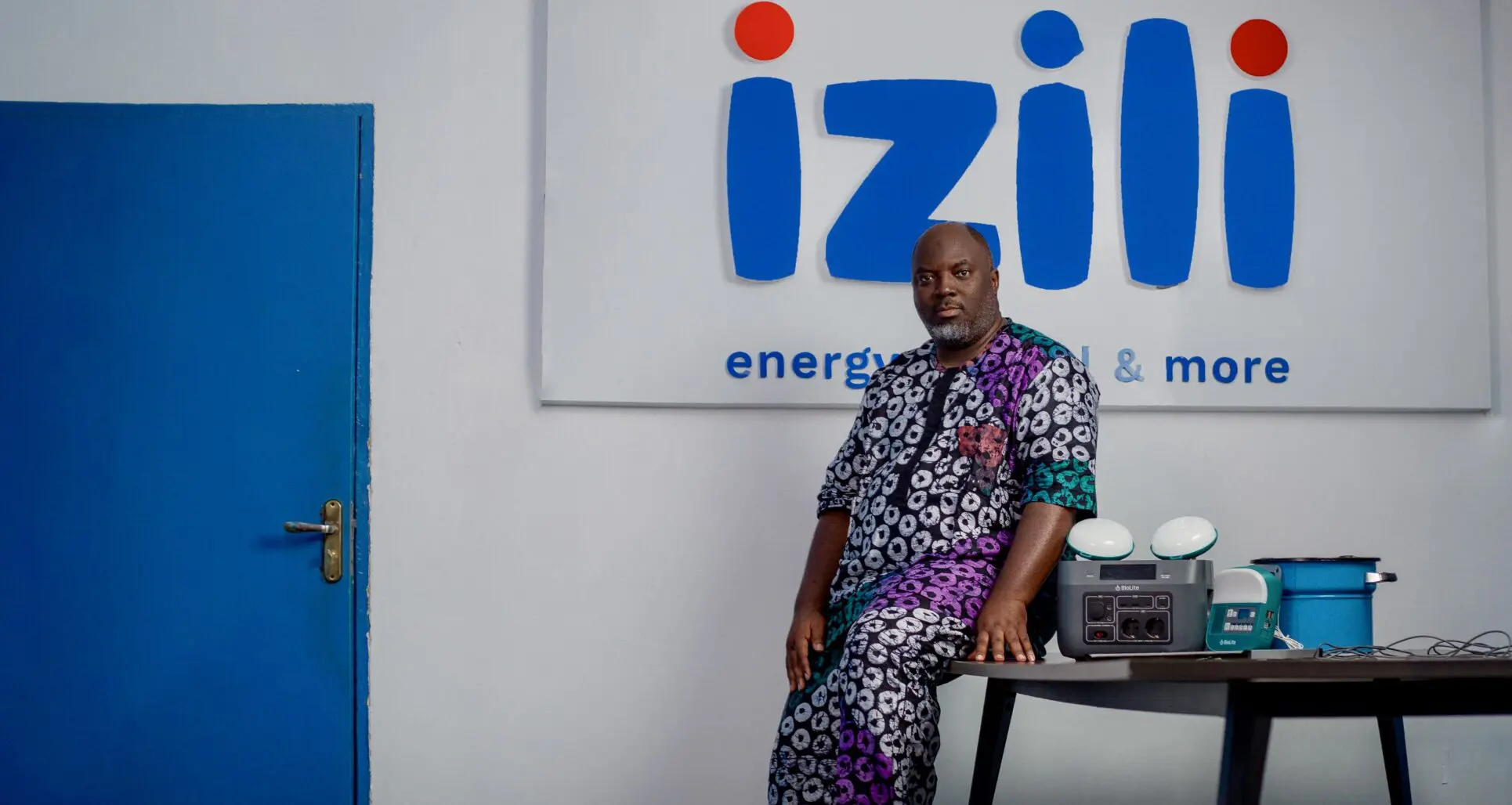
The narrative of rural energy is shifting from “charity” to “Infrastructure Alpha.” On January 22, 2026, Izili Group—the Pay-As-You-Go (PAYG) giant backed by BioLite—officially acquired Qotto, a solar innovator with deep roots in Benin and Burkina Faso. This move, supported by a $5 million convertible bond from the Off-Grid Energy Access Fund (OGEF), signals that the “Energy Poverty” gap is being closed by strategic capital and modular technology.
The “Vertical Scaling” of Rural Power
The primary bottleneck for rural development in the Sahel and West Africa isn’t a lack of sun; it’s a lack of financing infrastructure.
-
The Market Expansion Alpha: Before this deal, Izili (formerly Baobab+) was a dominant force in Nigeria, Senegal, Ivory Coast, and Mali. By acquiring Qotto, they have instantly secured a strategic beachhead in Benin and Burkina Faso. This brings their total footprint to six countries, creating a unified regional energy bloc.
-
The PAYG Efficiency Moat: Solar kits are expensive, but daily payments are not. By integrating Qotto’s local expertise into Izili’s Pay-As-You-Go platform, the group is lowering the “Entry Barrier” for rural households. This isn’t just selling lamps; it’s providing Leased Infrastructure that leads to eventual ownership.
-
The “Digital Product” Upsell: Izili isn’t just an energy company. They use solar kits as a “Trojan Horse” for Digital Inclusion. Once a household is on the PAYG grid, they become eligible for smartphones, freezers, and internet-enabled tools. The goal? Distribute 120,000 digital products by 2028.
The Strategic Union of Osinowo and Lenoir
This acquisition is a merger of Operational Scale and Local Depth.
-
The Architect (Kolawole Osinowo): As CEO of Izili Group, Osinowo has transitioned the company from a subsidiary of Baobab Group to a standalone Impact Titan. His vision for 2026 is “Pan-African Expansion”—building a company that is too large and too efficient for global competitors to ignore.
-
The Specialist (Jean-Baptiste Lenoir): As the Co-founder of Qotto, Lenoir built a team that mastered the complex logistics of the Benin and Burkina Faso markets. By joining Izili, the Qotto team gains access to BioLite’s global manufacturing R&D and a much deeper capital pool.
-
The Capital Engine (OGEF): The $5 million investment from the Off-Grid Energy Access Fund is the “fuel” for this merger. It proves that impact investors are no longer looking for “pilots”—they are looking for Consolidated Platforms that can deliver returns at scale.
The Three Layers of the “Izili 2.0” Stack
The combined entity is building a three-layered ecosystem designed to survive the harsh environments of the Sahel:
-
Layer I: Modular Solar Kits (Qotto Light): High-availability solar kits designed for 48-hour maintenance turnarounds, even in isolated villages. This ensures that “The Light Stays On,” which is the ultimate trust-builder in rural communities.
-
Layer II: Financial Inclusion (Baobab Partnership): Through their legacy connection with Baobab Group, Izili uses a customer’s PAYG payment history to build a Credit Score. A farmer who pays for solar today becomes eligible for a micro-loan tomorrow.
-
Layer III: Clean Cooking & Digital: The group is scaling BioLite’s clean cookstoves alongside solar kits. This addresses “Energy Poverty” holistically—tackling both electricity and the health crises associated with traditional wood-burning stoves.
Before, Current, and Future
To understand the magnitude of this move, we must look at the Territorial Evolution of the group:
-
THE BEFORE (2024–2025): Izili (as Baobab+) operated as a successful but geographically limited player. Qotto was a “high-potential” startup struggling with the capital requirements of scaling across the volatile Burkina Faso landscape. They were Regional Silos.
-
THE CURRENT (March 2026): The acquisition has created a Biolite-backed Energy Powerhouse. Izili now operates in six nations, managing a logistics chain that stretches from the ports of Cotonou to the rural villages of northern Burkina Faso. They have transitioned from “Startup” to “Infrastructure Utility.”
-
THE FUTURE (2028+): The roadmap is clear: 170,000 solar solutions and 120,000 digital products deployed. By 2030, Izili aims to be the Default Energy Provider for the 600 million Africans still living off the grid, effectively building a “Virtual National Grid” that no government has been able to construct.
The “Sovereign Risk” Barrier
-
The Security Trap: Operating in Burkina Faso in 2026 comes with significant Geopolitical Risk. The success of this acquisition depends on the team’s ability to maintain “Service Continuity” in regions where security can shift overnight.
-
The Currency Volatility: While the PAYG model is robust, it relies on local currencies. Constant fluctuations in the CFA franc against the dollar (for importing parts) remain the biggest threat to their Long-Term Unit Economics.
Index Report: Izili-Qotto Acquisition Vitals
| Metric | Status | Strategic Significance |
| Transaction Date | January 22, 2026 | Marks the “West African Consolidation” phase. |
| New Funding | $5M (Convertible Bonds) | Backed by OGEF for rapid growth. |
| Combined Reach | 6 Countries | Creates a unified regional distribution moat. |
| Target 2028 | 170k Solar / 120k Digital | Moving from “Energy” to “Digital Life” provider. |
Sources & References
-
HSFG Africa (Jan 22, 2026): Izili Group acquires Qotto and strengthens its pan-African expansion
-
Tech In Africa (2026): Izili Group Acquires Qotto, Expanding Pan-African Off-Grid Energy Footprint
-
Sun Connect (Jan 2026): Izili Group acquires Qotto and strengthens its position in West Africa
-
Parsers VC (2026): Qotto – Funding, Valuation, and Merger Insights