The End of the “Wild West”
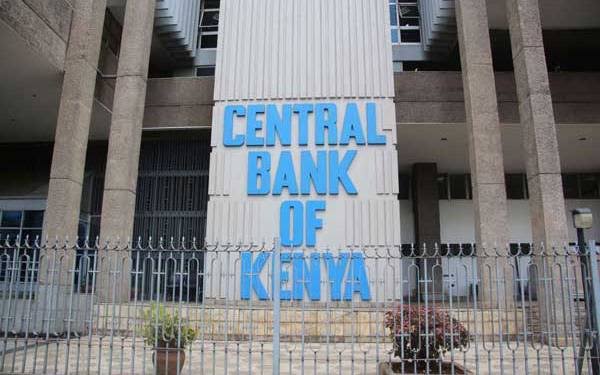
For a decade, Kenya was the global laboratory for digital micro-lending. However, the speed of “3-minute approvals” came with a high cost: systemic over-indebtedness and aggressive recovery tactics. As of April 2026, the CBK has pivoted from a passive licensing regime to an active Oversight Engine. The new mandate is simple but transformative: No proof of repayment capacity, no loan. This move effectively targets “debt-cycling”—where borrowers take a loan from App B to pay App A—forcing lenders to integrate deeper with the Credit Reference Bureaus (CRBs) and real-time bank statements.
The “ATR” Diagnostic
The CBK’s new oversight framework requires digital credit providers (DCPs) to upgrade their risk models from “Identity-Based” to “Cash-Flow-Based.”
The Data Sync: Lenders must now prove they have analyzed a borrower’s disposable income. This requires API integrations with mobile money statements (M-Pesa) and payroll data to verify that the loan installment does not exceed 30% of the borrower’s free cash flow.
Negative Data Check: Lenders are prohibited from issuing “top-up” loans to borrowers already categorized as “high-risk” or “under-distress” by the CRBs.
Algorithmic Audits: The CBK now has the authority to audit the AI credit-scoring models of firms like Tala, Zenka, and Branch to ensure they are not using predatory variables (e.g., urgency of search) to hike interest rates.
Protecting the “Digital Hustle”
While some argue this slows down financial inclusion, the 2026 diagnostic suggests it is actually Securing the Hustle.
Reducing NPLs: By enforcing stricter entry criteria, the Non-Performing Loan (NPL) ratio for the digital sector—which peaked at over 25%—is projected to stabilize.
Consumer Protection: The mandate includes a total ban on the “shaming” of borrowers. Lenders cannot access a user’s contacts to harass family members; instead, they must rely on legal and regulated recovery channels.
Market Consolidation: This regulation is weeding out “fly-by-night” lenders who relied on high interest rates to cover high default risks, favoring well-capitalized “Primes” who prioritize long-term customer lifetime value.
The 2026 Licensing Squeeze
The CBK has leveraged its licensing power to ensure total compliance.
Rolling Reviews: Licenses are no longer “set and forget.” The CBK has implemented Quarterly Compliance Audits, where lenders must submit a sample of their “approved vs. rejected” logs to prove the ATR diagnostic was performed.
The “Inverse Flip” Alignment: This regulation aligns with the Pan-African AI Privacy Treaty (tracked in our previous diagnostics), ensuring that the data used for credit scoring is handled with the highest level of sovereignty and privacy.
Index Report: Kenya Digital Lending Vitals (Q2 2026)
| Metric | Pre-2024 Era | 2026 Solvency Era |
| Approval Speed | <3 Minutes | 5-10 Minutes (Data Fetching) |
| Scoring Basis | Behavioral Meta-data | Verified Cash-Flow (ATR) |
| NPL Ratio | ~25% | Projected <12% |
| Lender Status | 400+ Unregulated Apps | ~50 Fully Licensed DCPs |
| Consumer Right | None (Predatory Recovery) | Data Privacy & “Right to Explanation” |
Sources & References
Regulatory Update: Central Bank of Kenya: New Oversight Guidelines for Digital Credit Providers — April 2026
Market Impact: The End of Predatory Lending: How Kenya’s CBK Restored Credit Sanity — Business Daily Africa 2026
Sector Analysis: The Solvency Mandate: Analyzing the Impact on Kenya’s Fintech Hub — IndexPrima Diagnostic
The “Index” Take: In 2026, credit is no longer a product; it is a responsibility. The CBK’s move to mandate ATR proof is the “Hard-Coding” of financial stability. It turns the Kenyan digital economy from a casino into a laboratory for sustainable wealth creation. If you can’t prove your borrower can pay, you shouldn’t be in the business of lending.