In March 2024, the vulnerability of West Africa’s digital economy was exposed when four major submarine cables (WACS, ACE, MainOne, and SAT-3) were damaged simultaneously. The impact was kinetic: internet traffic fell by 50%, banking systems stalled, and cloud-reliant businesses across 13 countries were silenced.
As of April 2026, Aliyu Aboki, Executive Secretary of WATRA, has finalized a set of technical reports that move the region from “emergency response” to Structural Sovereignty. WATRA is now aligning 16 member states under a unified 2026–2030 strategy to protect a digital economy now valued at over $216 billion.
The “Regional Public Good” Framework
The diagnostic from the 4th Working Groups Meeting in Ouagadougou (April 2026) highlights a shift from national governance to Regional Synchronization.
The Harmonized Landing Regime: WATRA is streamlining permitting processes. In the 2024 crisis, repairs were delayed by national bureaucracy; the new framework establishes pre-agreed emergency protocols for repair vessels, bypassing custom bottlenecks.
Physical Route Diversity: WATRA is mandating “True Route Diversity” for new projects. This means moving away from the “Correlated Risk” of landing all cables in the same maritime corridors.
Terrestrial Cross-Border Circuits: To prevent total isolation, member states are hard-coding terrestrial fiber interconnections, allowing traffic to be rerouted through landlocked or neighboring countries (e.g., using Togo’s Equiano landing to backfeed Ghana and Benin).
Cybersecurity as Economic Armor
WATRA has identified that a “disconnected” state is a “vulnerable” state. The 2026 mandate integrates Cybersecurity Economics into the infrastructure play.
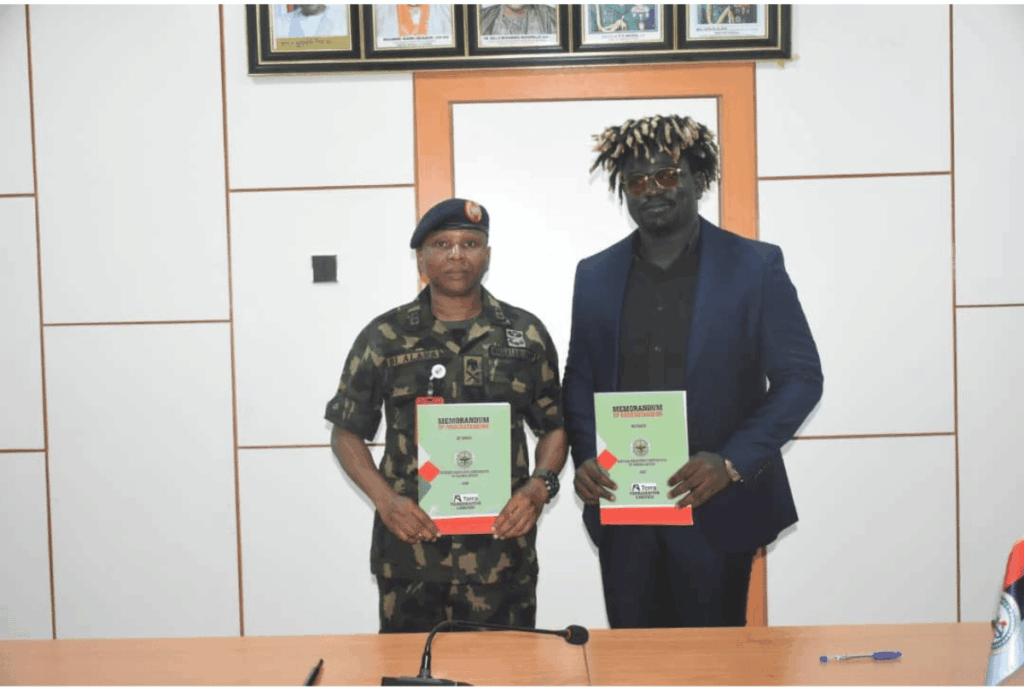
Attack Surface Management: With the rise of AI and IoT in the region (as seen in Terra Industries and L-Guard), WATRA is deploying regional cybersecurity frameworks to protect critical financial and defense data during outages.
The World Bank course: In late April 2026, WATRA members are undergoing training in Cybersecurity Economics, specifically quantifying the real-world cost of outages—estimated at $590 million in four days for Nigeria alone during the 2024 cuts.
The 2026–2030 Strategic Roadmap
The WATRA Strategic Plan 2026–2030 acts as the legislative “North Star” for the region.
Unified Regulation: Supported by the Nigerian Communications Commission (NCC), WATRA is pushing for a unified digital market.
Satellite Redundancy: For the first time, WATRA is integrating Non-Geostationary Satellite (NGSO) regulations (like Starlink) into the primary resilience stack, ensuring that even if the cables fail, the “Cloud” remains accessible via space.
Index Report: West Africa Digital Resilience Vitals (2026)
| Metric | 2024 (The Outage) | 2026 (The Shield) |
| Digital Economy Value | $200 Billion | $216+ Billion |
| Restoration Time | Days/Weeks | Projected Hours (Pre-Agreed Protocols) |
| Governance Model | Fragmented National | Harmonized Regional (WATRA) |
| Redundancy Layer | Submarine Only | Cable + Terrestrial + NGSO Satellite |
| Cybersecurity Status | Reactive | Proactive (Frameworks & Training) |
Sources & References
Regional Strategy: WATRA Positions West Africa’s $216bn Digital Economy for Growth — April 2026
Resilience Summit: WATRA Secretary: Resilience as a Critical Link in West Africa’s Digital Economy — April 2026
Technical Diagnostic: Rethinking Submarine Cables in the African Context — CMU-Africa 2025
The “Index” Take: In 2026, connectivity is no longer just a luxury—it’s the kinetic backbone of the region. WATRA’s shift to regionalizing submarine cable protection is the ultimate “De-risking” move for West Africa. By treating digital infrastructure as a public good, the assembly is ensuring that the $216 billion economy stays online, regardless of what happens beneath the waves.