For decades, São Tomé & Príncipe has faced an “Energy Paradox.” Despite its vast renewable potential, the nation pays one of the highest prices for electricity in Africa—$0.30 per kilowatt-hour—due to its reliance on polluting diesel imports. Frequent 4-hour daily outages have historically throttled hospitals, schools, and the digital economy.
The $24.5 million grant (anchoring a total $30 million investment) is the tactical response. Scheduled for implementation from May 2026 to November 2031, the ETREEP project seeks to move the nation toward its 2030 goal: 50% renewable energy share and universal electrification.
The ETREEP Strategic Stack
The project is built on three pillars of Infrastructural Efficiency.
-
Príncipe’s Green Pivot: The construction of a 4-megawatt peak (MWp) solar photovoltaic plant paired with a 2 MWh Battery Energy Storage System (BESS). This will allow Príncipe Island—a UNESCO Biosphere Reserve—to become virtually self-sufficient on renewable energy.
-
The “Smart Grid” Overhaul: Modernizing the national dispatch center and installing over 40,000 prepaid meters across both islands. This is a “Revenue Shield,” aimed at increasing billing efficiency from 50% to 80% and curbing commercial losses.
-
Urban Efficiency: Replacing outdated fixtures with 1,000 energy-efficient LED streetlights on São Tomé Island to improve public safety and reduce base-load demand.
Socio-Economic Resilience
The grant is specifically engineered to solve for Systemic Leakage and Youth Unemployment.
-
The Loss-Reduction Target: Currently, technical and commercial losses consume 34% of electricity before it reaches a single home. ETREEP targets a reduction to 20%, stabilizing the national utility’s (EMAE) finances.
-
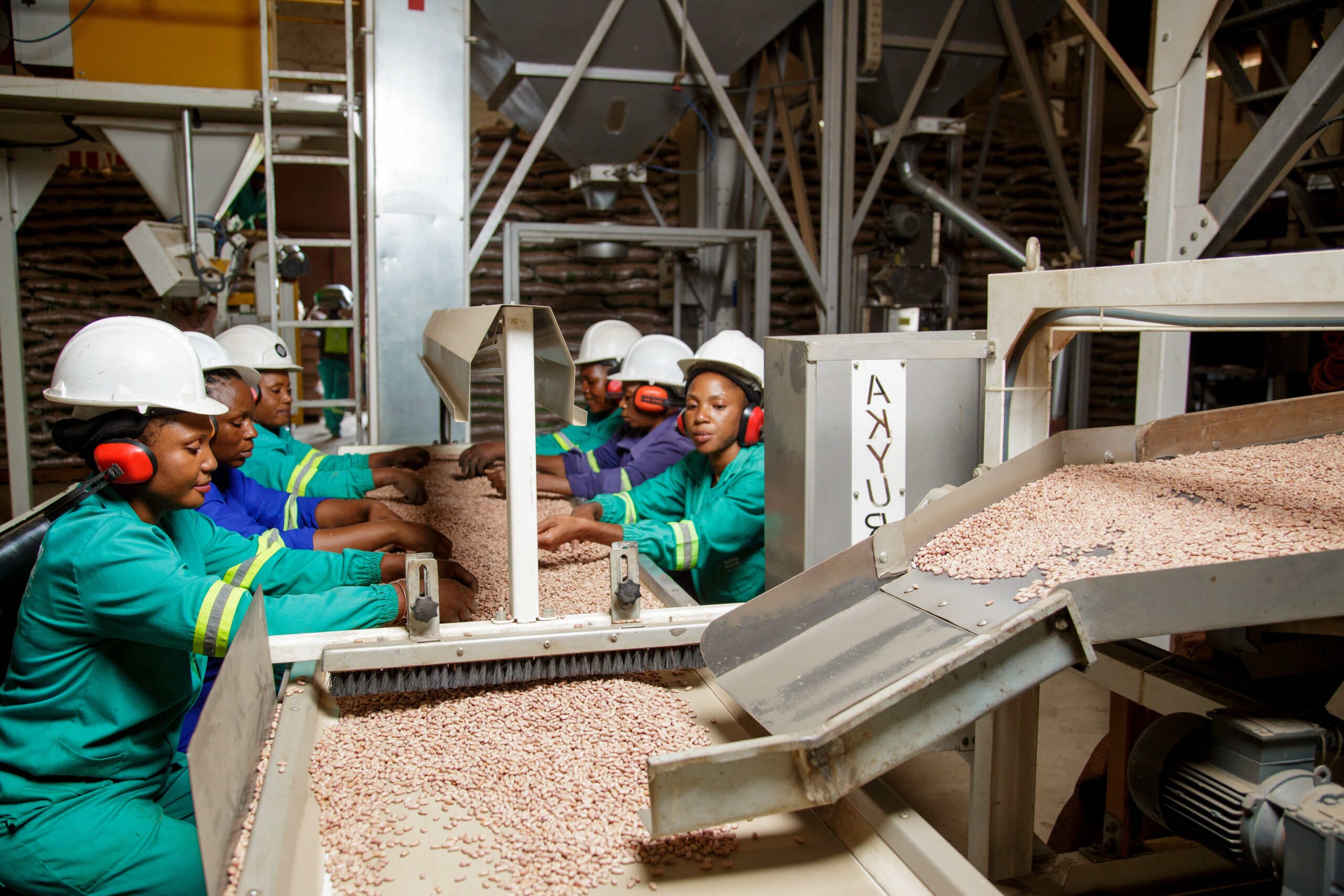
Green Skills Pipeline: The project includes training for 200 young people in solar and electrical maintenance. In a nation where 79% of the population is under 35, this is the Human Infrastructure required to sustain the transition.
-
The “Multiplier” Effect: By providing 2,000 new electricity connections and improving reliability for 50,000 households, the project unlocks the 24/7 operations required for the tourism and SME sectors to scale.
A Statement of Belief
Pietro Toigo, the AfDB Country Manager for Angola and São Tomé & Príncipe, described the project as “more than infrastructure.”
-
The Financing Mix: The $24.5M is sourced from the African Development Fund (ADF-16) and the Transition Support Facility.
-
Institutional Strengthening: Beyond the physical hardware, the grant funds capacity building for the Ministry of Infrastructure and Natural Resources, ensuring that the nation can manage its own energy future without perpetual reliance on external consultants.
Index Report: São Tomé & Príncipe ETREEP Vitals (2026)
| Metric | Details |
| Grant Amount | $24.5 Million (AfDB/ADF) |
| Total Project Value | $30 Million |
| Key Asset (Príncipe) | 4 MW Solar + 2 MWh Battery Storage |
| Key Asset (São Tomé) | 1,000 LED Streetlights + Dispatch Center Upgrade |
| Access Metric | 2,000 New Connections / 40,000 Prepaid Meters |
| Loss Reduction Goal | 34% to 20% |
Sources & References
-
Primary Announcement: AfDB Grants $24.5M for Clean Energy in São Tomé and Príncipe — AfDB News, April 23, 2026
-
Project Profile: Energy Transition, Efficiency, and Expansion Project (ETREEP) Summary — Africa Updates
-
Market Insight: AfDB Approves $24.5m Grant to Drive Clean Energy Transition — Africa Energy Pulse, April 2026
The “Index” Take: In 2026, small islands are the “vanguard” of the energy transition. If São Tomé & Príncipe can prove that a diesel-dependent nation can flip to 50% renewables using a $24.5M anchor, it provides the blueprint for island economies worldwide. For the AfDB, this isn’t just about kilowatts; it’s about proving that “Insular Independence” is the most sustainable form of sovereignty.