Africa’s digital economy cannot scale purely on organic talent; it requires industrial-grade human capital pipelines. While many view developer ecosystems through the lens of informal community groups and hackathons, true economic resilience is built through the systemic removal of structural bottlenecks—specifically hardware deficits, outdated academic curricula, and the absence of localized mentorship.
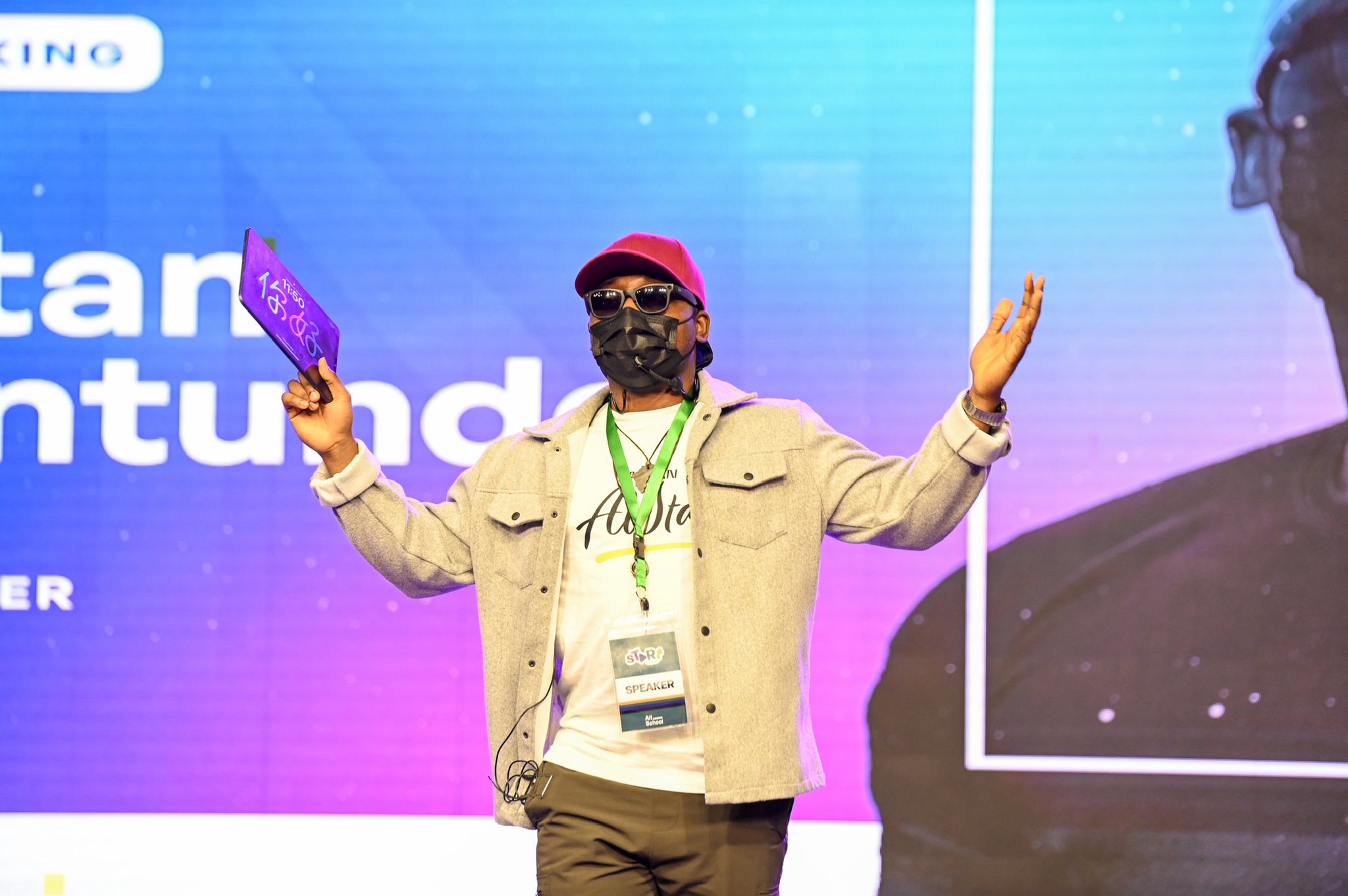
At the epicenter of this paradigm shift is Sultan Akintunde, widely known across the continent as @hackSultan. Over the last decade, Akintunde has systematically converted personal audience capital into foundational educational infrastructure, establishing one of the most expansive and impactful engineering networks globally.
The Architecture of Distribution: Cross-Platform Footprint
With an aggregated audience exceeding 430,000+ professionals and aspiring engineers, Akintunde maintains an unprecedented distribution rail for software engineering, AI adoption, and startup growth insights across the African continent and the diaspora.
| Platform | Audience Footprint | Primary Ecosystem Utility |
| X (formerly Twitter) | 290,000+ | Real-time technical discourse, ecosystem advocacy, and trend synthesis. |
| 100,000+ | B2B pipeline alignment, engineering leadership, and institutional strategy. | |
| 40,000+ | Culture-building, career storytelling, and top-of-funnel tech awareness. | |
| Aggregate Reach | 430,000+ | Direct regional distribution for technical talent acquisition and education. |
Dual-Engine Strategy: DevCareer and AltSchool Africa
Akintunde’s impact on the African digital economy is driven by a two-tier architectural approach that covers both baseline access and structured higher education.
1. DevCareer: The Radical Zero-to-One Onramp
For aspiring African developers, the primary barriers to entry are rarely intellectual; they are infrastructural. Lack of reliable electrical power, high data costs, and a deficit of capable hardware stymie thousands of prospective engineers.
DevCareer addresses this structural failure directly by providing:
-
Vetted, high-performance laptops to prospective talent.
-
Conducive co-working hub spaces equipped with uninterrupted power and internet.
-
A structured three-month intensive curriculum backed by industry mentors.
By transforming self-taught developers from hobbyists into job-ready junior engineers across multiple countries (including Nigeria, Kenya, Ghana, and Zambia), DevCareer serves as a critical socioeconomic equalizer.
2. AltSchool Africa: Redefining Alternative Higher Education
Co-founded alongside Adewale Yusuf, AltSchool Africa operates as a modern alternative to traditional university structures. Recognizing that classic academic timelines fail to match the compounding speed of modern technology, AltSchool offers specialized, market-aligned diplomas in:
-
Software Engineering (Frontend, Backend, Cloud Engineering)
-
Data and Product Management
-
Emerging Technologies & Artificial Intelligence (AI)
As CTO, Akintunde has overseen the platform architecture and curriculum design, matching institutional-grade testing systems with practical, live cohort learning models. The result is a highly repeatable talent factory supplying skilled operators to global technical teams.
“True developer advocacy is not merely about pointing to a technical future; it is about providing the physical machines, structured pathways, and programmatic guardrails required to build it.”
The Macro Impact: From Influence to Institutional Sovereignty
By positioning himself as one of the Top 100 most influential software engineers globally, Akintunde’s work represents a broader shift in how emerging markets must approach technical sovereignty. By moving beyond simple micro-influencing into rigorous technical training, his initiatives decouple African talent from localized economic limitations and connect them directly to the global digital economy.
As artificial intelligence and automated development tools reshape the global labor force, the infrastructure built by Akintunde ensures that the next generation of African engineers are not merely consumers of global tech, but active architects of its future.