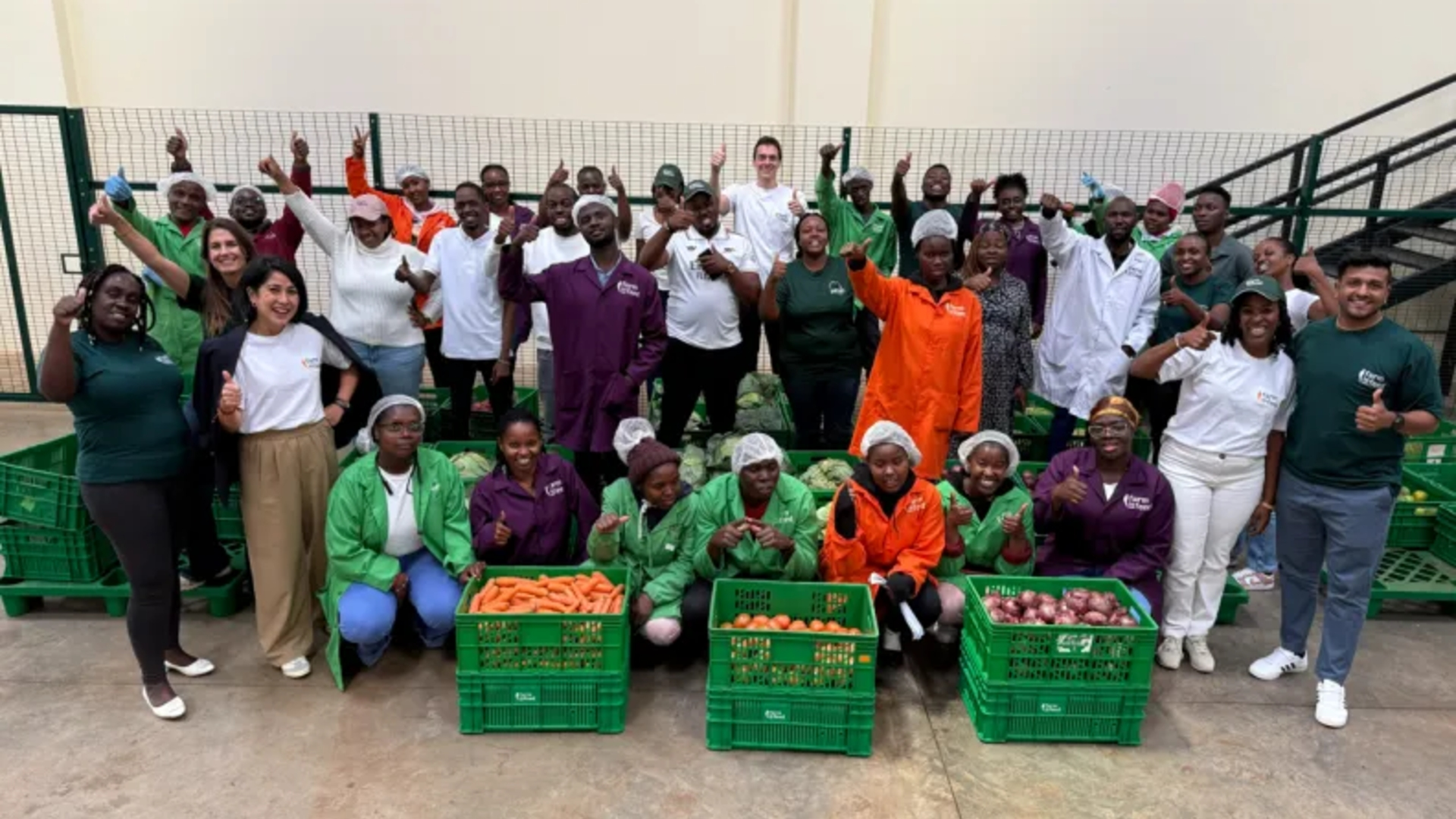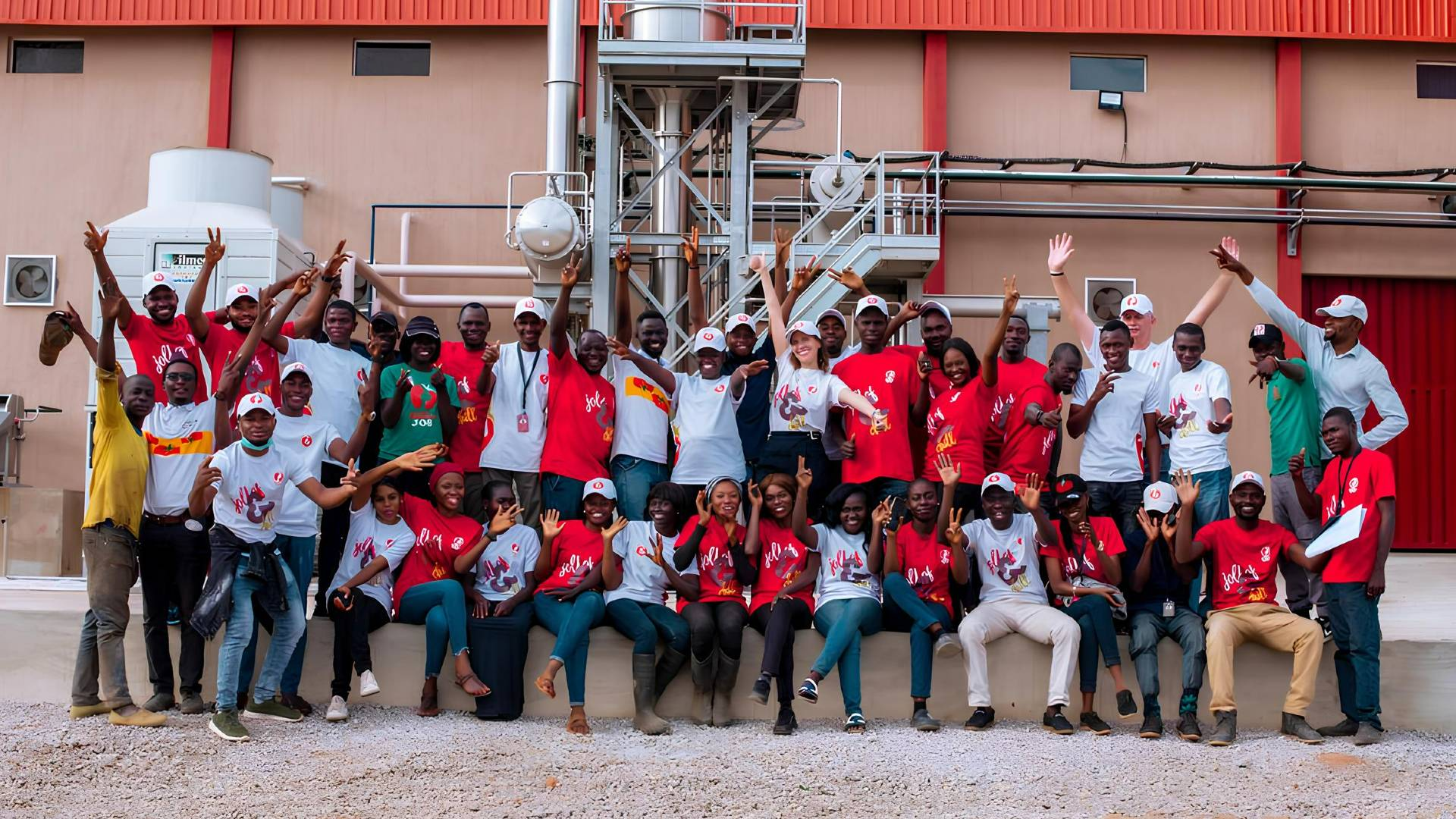
KADUNA, NIGERIA — Domestic agro-processing in West Africa has reached a critical turning point as Kaduna-based Tomato Jos Farming and Processing Limited secures a $2 million (naira-denominated) impact-linked debt facility from venture investment firm Sabou Capital.
The strategic capital injection arrives at a pivotal moment for Nigeria’s agricultural sector, following the Federal Government’s strict import prohibition on tomato paste. Designed to force domestic self-reliance, the regulatory move opens up a massive consumer market previously dominated by foreign supply chains.
Key Transaction Highlights
| Metric / Parameter | Deal Details |
| Target Company | Tomato Jos Farming and Processing Limited |
| Investor | Sabou Capital |
| Facility Size & Type | $2 Million USD equivalent, naira-denominated impact-linked debt |
| Core Objective | Expand processing capacity & smallholder farmer network to capture 10%+ market share |
| Operational Footprint | Kangimi farm & $5 million processing facility in Igabi LGA, Kaduna State |
| Impact Profile | 204 direct staff; 3,000+ smallholder farmers (60% women); 2X Challenge compliant |
Solving the “Tomato Paradox”
Nigeria has long suffered from a structural paradox in its food supply chain. Despite producing roughly 65% of West Africa’s fresh tomatoes—with annual domestic consumption exceeding 2.3 million metric tons—the country historically imported up to 90% of its processed tomato paste. Post-harvest losses due to poor cold-chain logistics, inadequate storage, and seasonal market gluts routinely left local farmers destitute while billions in foreign exchange flowed offshore.
Tomato Jos was founded in 2014 by Chief Executive Officer Mira Mehta specifically to solve this market mismatch. By marrying a primary farming operation in Kangimi with a state-of-the-art $5 million processing plant in Kaduna, the company established an integrated supply chain capable of converting local harvests into commercial-grade consumer paste.
“Tomato Jos is exactly the kind of business we back—one that turns an import dependency into local jobs, farmer income, and a stronger domestic economy. We structured this deal so that our financial return grows with the impact they create.”— Surayyah Ahmad, Managing Partner at Sabou Capital
Structuring for Impact: The Naira Debt Model
The deal stands out in West Africa’s venture landscape due to its financial engineering:
-
Naira Denomination: By structuring the debt in local currency (naira), Tomato Jos hedges against severe foreign exchange fluctuations that have historically crippled import-dependent or dollar-debt-laden manufacturers across Nigeria.
-
Impact-Linked Pricing: Under the terms of the facility, the financial returns to Sabou Capital are linked directly to predefined social and economic targets. As Tomato Jos achieves milestones around rural job creation, farmer income generation, and gender inclusion, borrowing dynamics adjust accordingly.
-
Gender-Lens Investing: The company satisfies all four benchmarks of the global 2X Challenge, reflecting its inclusion of women across ownership, leadership, workforce, and supply chain channels (where 60% of its 3,000+ outgrower farmers are female).
Capturing the Post-Ban Market
With the Federal Government’s revised import prohibition list cutting off retail-packaged tomato paste imports at both the banking (Form M rejection) and port levels, local processing capacity has become prime infrastructure.
Tomato Jos aims to utilize the new funding to scale its outgrower network, aiming to source at least 50% of its raw tomato inputs directly from smallholder partners while expanding its processing throughput to capture at least 10% of Nigeria’s domestic paste market share.
However, the path ahead presents operational hurdles. Domestic processors face intense competition from established international brands shifting strategy, alongside persistent infrastructure gaps, energy costs, and security considerations in Northern Nigeria.
“As Tomato Jos continues to grow, partners like Sabou Capital are crucial to our journey. The opportunity in front of us is real, but so is the competition; we’re up against international organisations with deep pockets.”— Mira Mehta, Founder & CEO of Tomato Jos
With fresh capital secured and trade protections in effect, Tomato Jos’s expansion serves as a benchmark test for whether domestic agritech manufacturers can successfully turn regulatory tailwinds into long-term industrial self-sufficiency.