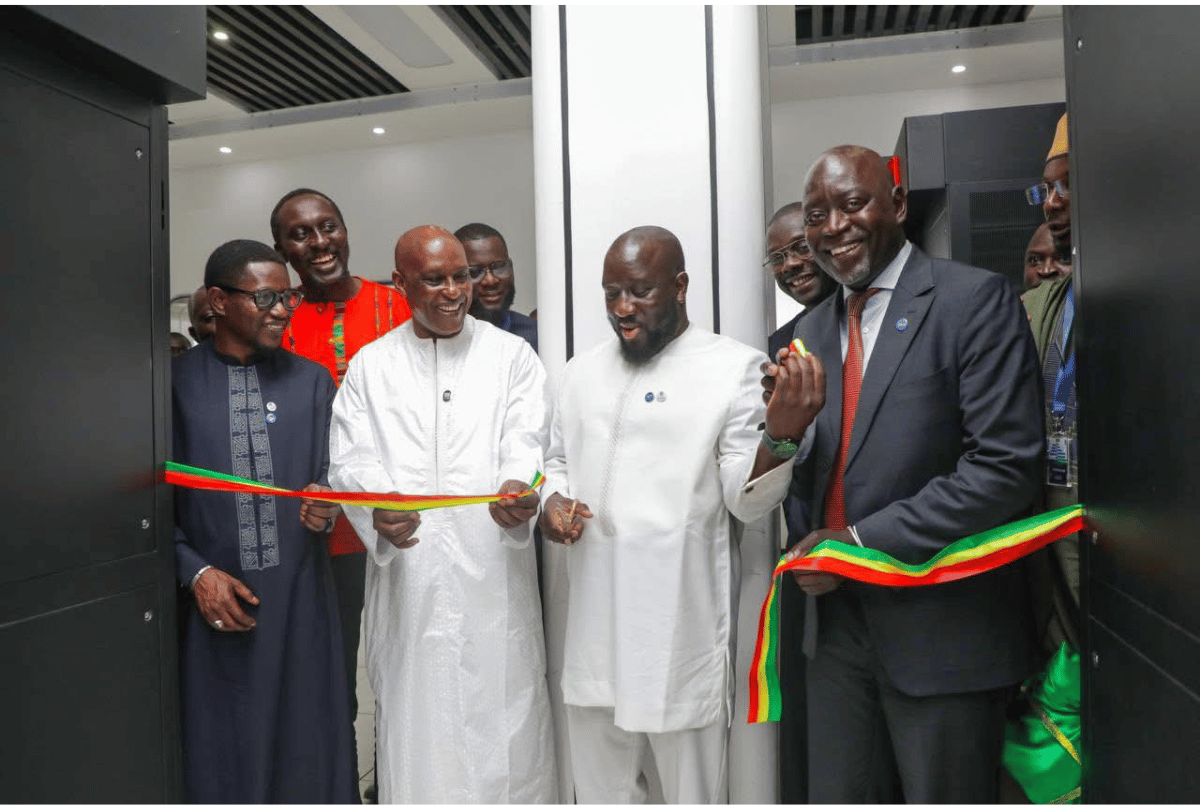
In a landmark move for African digital independence, Senegal officially received its national cloud infrastructure on March 26, 2026. This technological milestone is the primary engine behind the upcoming Dakar 2026 Youth Olympic Games (YOG)—the first Olympic event ever to be hosted on the African continent.
By deploying this sovereign infrastructure, Senegal is ensuring that every byte of sensitive data—from athlete biometrics to real-time security analytics—remains hosted within its own borders, setting a new gold standard for data governance in the region.
1. The Architecture of Sovereignty: Alibaba’s Apsara Stack
The new infrastructure is built on Alibaba Cloud’s Apsara Stack, a high-performance private cloud solution. Unlike public clouds that store data in distributed global data centers, the Apsara Stack allows Senegal to maintain a “private enclave” that meets international standards for security and compliance while ensuring Asset Self-Ownership.
Local Hosting: All critical applications for the Games—including ticketing, e-transportation, and real-time broadcasting—will run on servers located physically in Senegal (notably within the Diamniadio data center hub).
Scalability: The system is designed to handle the massive surge in traffic expected when 2,700 young athletes and global fans descend on Dakar, Diamniadio, and Saly.
Operational Control: The handover was conducted in the presence of Alioune Sall, Minister of Communication, Telecommunications, and Digital Affairs, alongside teams from Sénégal Numérique S.A. (SENUM SA).
2. Beyond the Podium: The “New Deal Technologique”
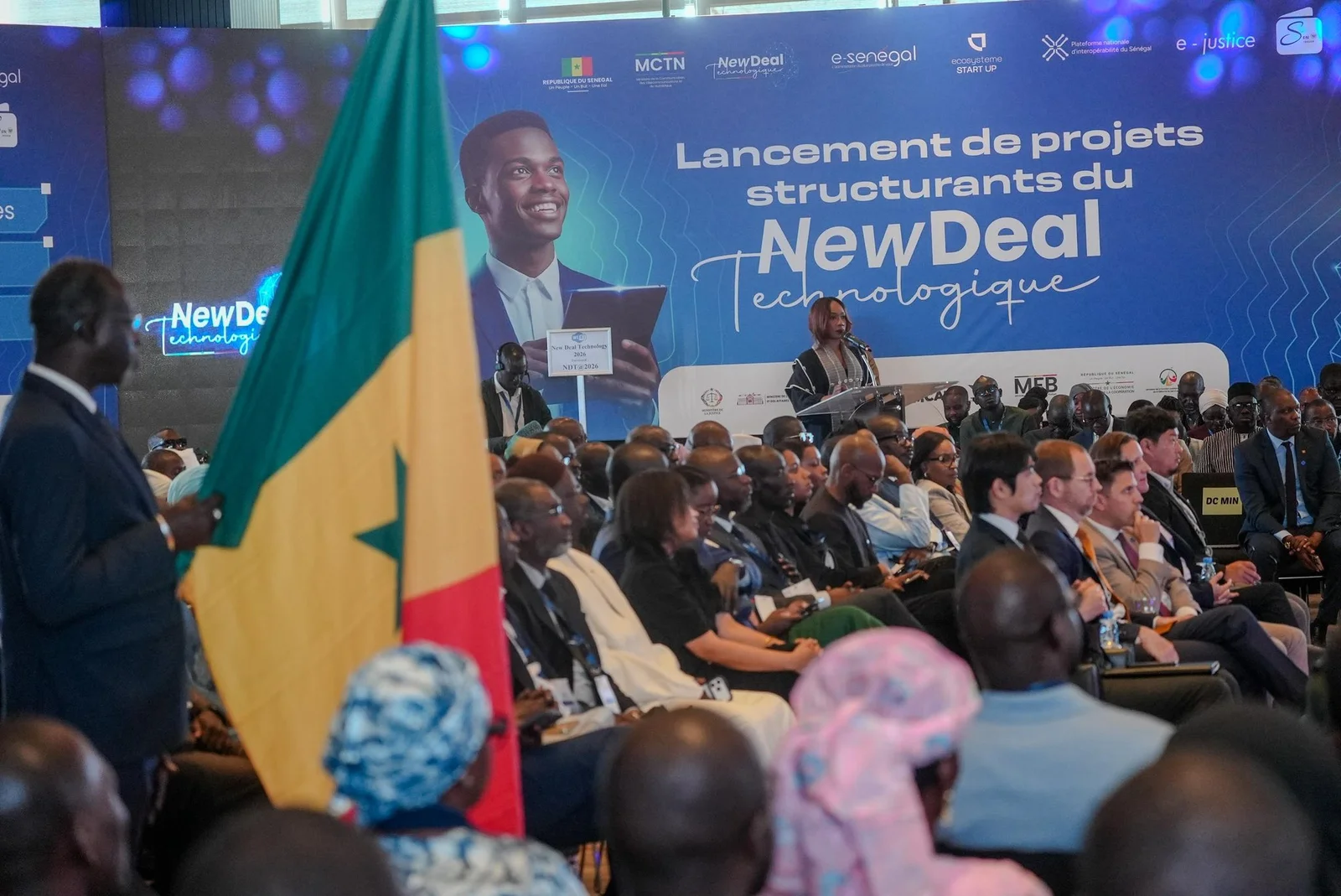
This launch is a core pillar of President Bassirou Diomaye Faye’s “New Deal Technologique.” The vision extends far beyond the closing ceremony of the Olympics.
Foundation for a Public Cloud: Post-2026, this infrastructure will transition into a National Public Cloud, providing secure, low-latency hosting for local startups, private enterprises, and other government agencies.
The $5 Million Strategic Bet: The project stems from a strategic agreement signed in July 2025 in Hangzhou, following Prime Minister Ousmane Sonko’s official visit to China. It represents an initial investment of roughly $5 million into the nation’s digital backbone.
3. Human Capital: Training the “Cloud Generation”
Senegal isn’t just importing hardware; it’s building a workforce. The partnership with Alibaba Cloud includes a massive capacity-building mandate:
200 Cloud Engineers: Intensive training for local specialists to manage and maintain the Apsara Stack independently.
1,000 Young Talents: A broader initiative through the Alibaba Cloud Academy to equip Senegalese youth with advanced skills in AI and cloud computing.
Center of Excellence: The establishment of a Technology Center of Excellence in Dakar to foster local innovation and R&D.
4. Strategic Timeline: The Road to Dakar 2026
| Date | Milestone |
| July 2025 | Strategic MoU signed in Hangzhou, China. |
| March 24, 2026 | Official announcement of infrastructure readiness. |
| March 26, 2026 | Official Reception and Handover of the national cloud. |
| Oct – Nov 2026 | Live operations for the Dakar Youth Olympic Games. |
References & Sources
TechAfrica News (March 26, 2026): Senegal Launches National Cloud Infrastructure to Power 2026 Summer Youth Olympics Digital Systems
Ecofin Agency (March 25, 2026): Senegal Builds Sovereign Cloud Infrastructure Ahead of Dakar 2026 Youth Olympics
Olympics.com (Official Release): Alibaba Cloud to provide core digital services for Dakar 2026
TechReviewAfrica (March 26, 2026): Senegal receives national cloud infrastructure for Dakar 2026 Youth Olympic Games
By prioritizing local data hosting via the Apsara Stack, Senegal is proving that “Digital Sovereignty” isn’t just a buzzword—it’s a deployable asset. This move safeguards national security while simultaneously creating an industrial-grade foundation for the country’s future tech unicorns.