As global automotive supply chains accelerate toward electrification, Africa’s role has historically been restricted to exporting upstream raw minerals. Gotion Power Morocco—a subsidiary of Shenzhen-listed Chinese battery giant Gotion High-Tech Co. Ltd—is fundamentally altering that dynamic.
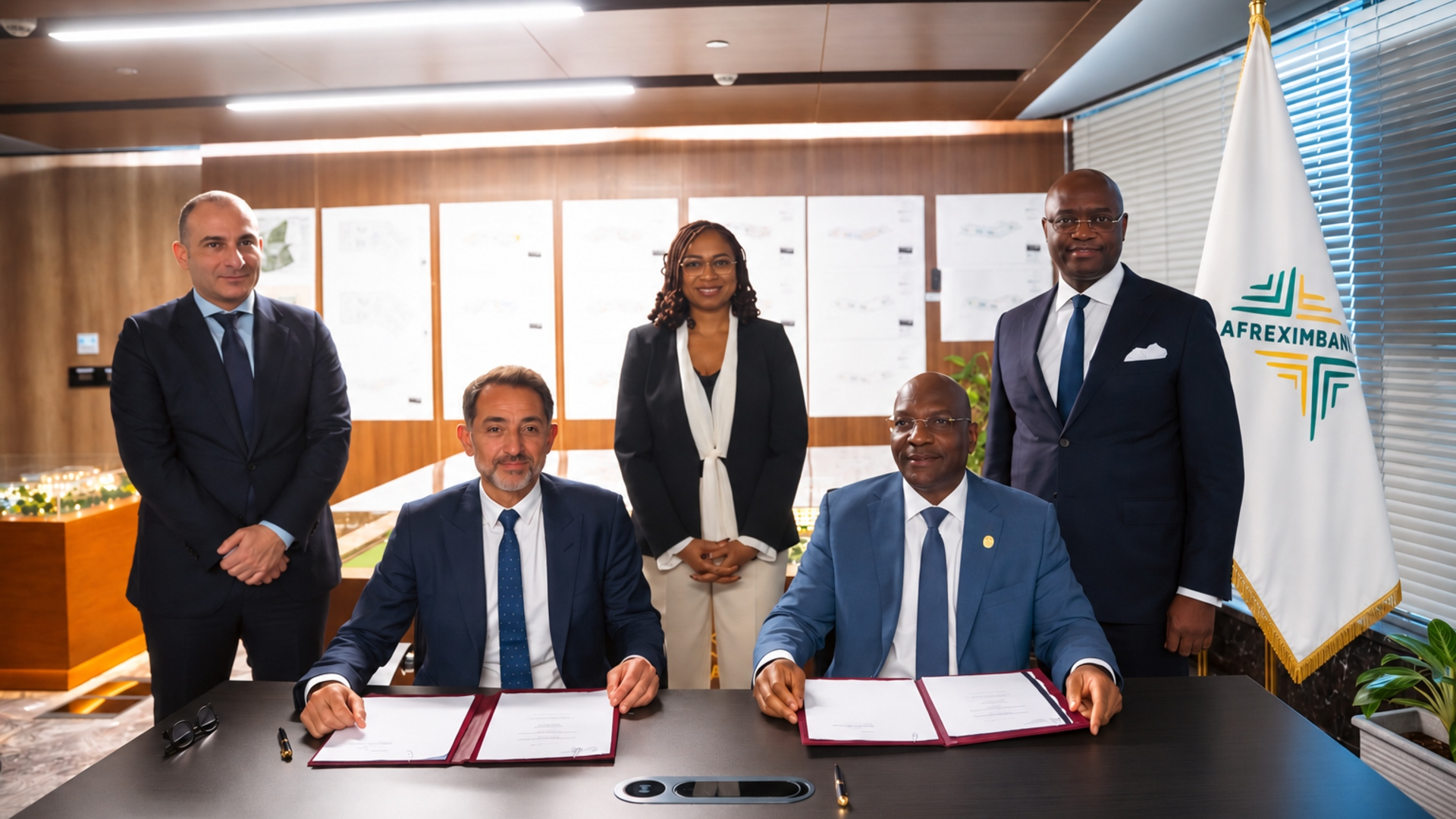
The African Development Bank (AfDB) has approved a €100 million ($114 million) direct loan to finance the construction of Africa and the MENA region’s first integrated lithium iron phosphate (LFP) battery gigafactory. Located in the Atlantic Free Zone within the Rabat-Salé-Kénitra region, the project anchors Morocco’s broader strategy to position itself as a global hub for electric mobility.
Beyond its direct commitment, the AfDB is acting as the Mandated Lead Arranger to mobilize an additional €141 million ($161 million) from international development finance partners under the New African Financial Architecture for Development (NAFAD) framework.
Project Blueprint & Operational Capabilities
The Gotion Power Morocco gigafactory is designed as a fully integrated end-to-end industrial facility, encompassing the entire manufacturing process from precursor and cathode material processing down to cell fabrication and battery pack assembly for electric vehicles.
┌───────────────────────────────────────────────────────────────────────────┐
│                    GOTION MOROCCO GIGAFACTORY MATRIX                      │
├───────────────────────────────┬───────────────────────────────────────────┤
│ Lead Developer                │ Gotion High-Tech Co. Ltd. (Shenzhen: 002074)
│ Direct AfDB Loan              │ €100 Million ($114 Million)               │
│ Partner Syndication           │ Up to €141 Million under NAFAD            │
│ Facility Location             │ Atlantic Free Zone (Rabat-Salé-Kénitra)   │
│ Phase 1 Capacity              │ 10 Gigawatt-Hours (GWh)                   │
│ Scaled Capacity Target        │ 100 Gigawatt-Hours (GWh)                  │
│ Targeted Local Integration    │ 70% Domestic Industrial Integration       │
│ Employment Impact             │ 600+ Direct High-Skilled Jobs (Phase 1)   │
└───────────────────────────────┴───────────────────────────────────────────┘
Why Morocco? Nearshoring and Industrial Infrastructure
Morocco has systematically built one of North Africa’s most robust automotive manufacturing hubs. Hosting assembly plants for major global OEMs like Renault and Stellantis, alongside a network of over 250 automotive component suppliers, the country offers several distinct advantages for high-volume gigafactories:
-
Geographic Proximity to Europe: Located just miles from southern European ports, Morocco provides a low-carbon supply route for European automakers racing to meet stringent EU zero-emission vehicle mandates.
-
Renewable Energy Integration: The gigafactory will be powered predominantly by clean energy, aligning with European carbon border adjustment mechanisms (CBAM) and corporate ESG requirements.
-
70% Local Value Retention: By targeting a 70% local industrial integration rate, the facility moves beyond simple assembly to foster a self-sustaining domestic supplier ecosystem.
Executive Insights: Storage as the Missing Energy Link
Beyond electric mobility, large-scale battery cell production addresses a critical bottleneck in broader grid infrastructure across the African continent:
“Battery storage is the missing link in Africa’s clean energy transition. A facility of this scale, powered primarily by renewable energy, strengthens the foundations for the large-scale integration of solar and wind power, which our grids increasingly depend on.”
— Kevin Kariuki, Vice President for Power, Energy, Climate and Green Growth, AfDB
“This gigafactory will be a major catalyst for strengthening Morocco’s industrial competitiveness and for accelerating its emergence as Africa’s manufacturing hub for sustainable mobility industries. It will help foster an African industrial ecosystem for batteries and electric vehicles while promoting the local beneficiation of critical minerals essential to the energy transition.”
— Achraf Tarsim, Country Manager for Morocco, AfDB
Macro Takeaway: Shifting from Mineral Extraction to Domestic Value Addition
The Gotion Power Morocco deal reflects a broader structural pivot in African industrial policy. Rather than exporting unrefined lithium, cobalt, and manganese for overseas processing, African nations are increasingly leveraging local content policies and free-trade zones to retain value domestically.
By combining Chinese manufacturing technology, Moroccan trade infrastructure, and multilateral debt capital, the Rabat-Salé-Kénitra gigafactory establishes an operational blueprint for how emerging markets can capture a competitive share of the global green technology transition.