Sovereignty at the Table: Africa Secures 8 Seats on the New ITU Global AI Commission as Kagame Co-Chairs
Historically, emerging economies have been forced to play catch-up with technical frameworks engineered in Silicon Valley or Brussels. However, as global governance architectures shift from high-level treaties to concrete infrastructure and standardization defaults, African policymakers and corporate leaders are embedding themselves directly into the foundational layer of global technology policy.
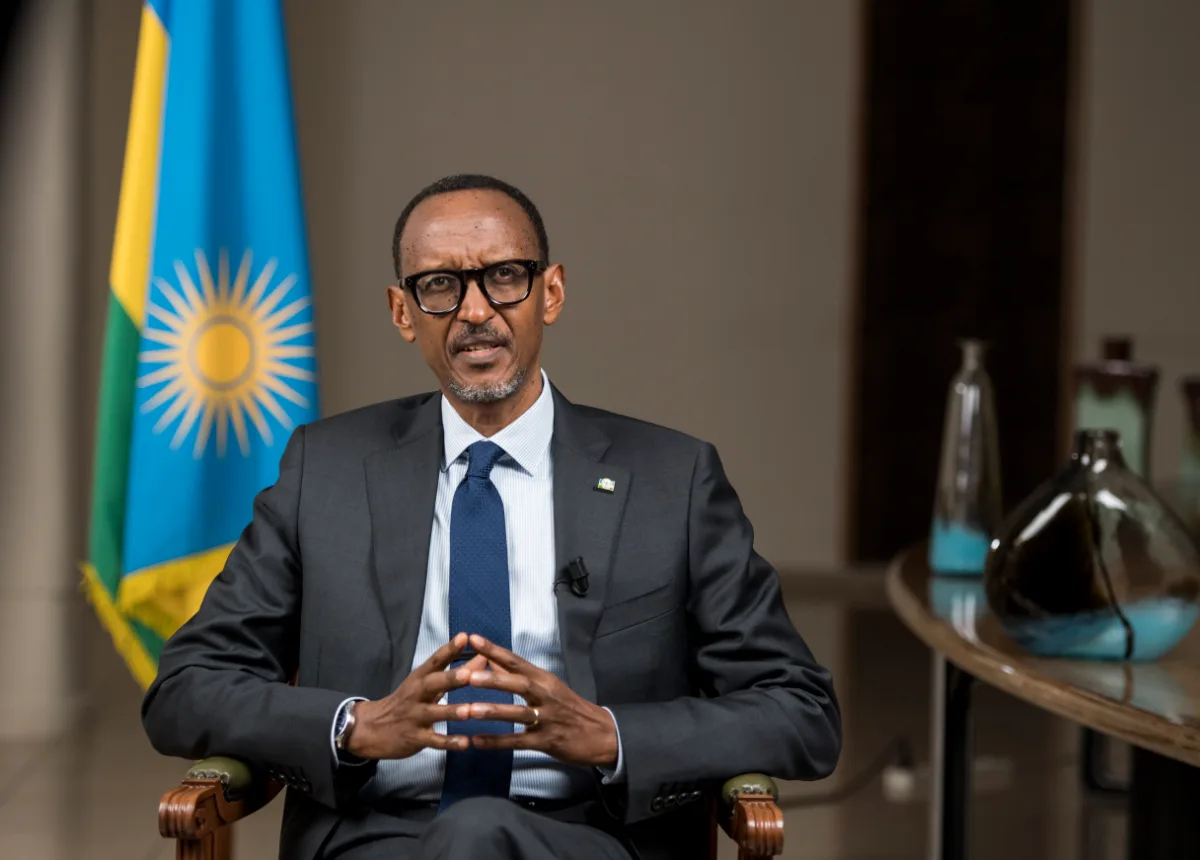
In a major institutional development, the International Telecommunication Union (ITU) has launched the AI for Good Global Commission to dictate international AI governance, standards, and deployment models. Comprising 44 founding members, the body will be co-chaired by Rwandan President Paul Kagame alongside Salesforce CEO Marc Benioff. Crucially, Africa has locked down eight core seats on the commission, ensuring the continent moves from a passive consumer of frontier systems to an active architect of global AI rules.
The African Delegation: Structural Levers of Power
The eight selected African commissioners represent a strategic mix of state sovereignty, multilateral diplomacy, and market infrastructure:
| Commissioner | Primary Institutional Role | Strategic Policy Axis |
| Paul Kagame | President of Rwanda (Co-Chair) | Cross-sector cooperation, regional infrastructure deployment, and political state alignment. |
| Dr. Bosun Tijani | Minister of Communications, Innovation & Digital Economy (Nigeria) | Localized technical application, sovereign data protections, and tech talent pipelines. |
| Emma Theofelus | Minister of Information & Communication Technology (Namibia) | National policy adaptation, digital literacy, and bridging the rural-urban technical divide. |
| Cina Lawson | Minister of Public Sector Efficiency & Digital Transformation (Togo) | Public sector AI systems, regulatory modernization, and automated government workflows. |
| Lerato Dorothy Mataboge | Commissioner for Infrastructure and Energy (African Union) | Continental computing infrastructure, grid security, and cross-border data routing. |
| Dr. Ngozi Okonjo-Iweala | Director-General, World Trade Organization (WTO) | Global digital trade frameworks, IP protections, and economic inclusion mechanics. |
| Khaled El-Enany | Director-General, UNESCO (Egypt) | Ethical algorithmic frameworks, bias mitigation, and AI-driven educational research. |
| Ralph Mupita | President and CEO, MTN Group | Last-mile network infrastructure, mobile money integration, and edge-computing distribution. |
Deep Dive: Infrastructure as the Ultimate Policy Lever
The inclusion of MTN Group CEO Ralph Mupita highlights a crucial reality of the African tech ecosystem: policy cannot outrun physical distribution. While state ministers focus on legal frameworks and data privacy safeguards, telecom giants control the actual pipes—the fiber arrays, spectrum bands, and mobile wallets—required to scale AI applications.
MTN has already committed to an internal roadmap targeting R30 billion in value creation over the next three to five years by embedding AI into its operational architecture. Having Africa’s largest mobile network operator at the table means that global discussions around data sovereignty, edge-model compute loads, and connectivity costs will be forced to reckon with the practical limitations of sub-Saharan infrastructure.
This appointment builds on a sustained tech-diplomacy campaign out of East Africa. Rwanda’s prominent role follows the hosting of its inaugural Global AI Summit on Africa in 2025 and the rollout of its National AI Office, demonstrating that proactive domestic policy is prerequisite to gaining international leverage.
The Skeptical Case: Voluntary Dialogues vs. Localized Execution
While an eight-seat representation is an undisputed diplomatic win, seasoned operators in emerging markets remain rightly cautious. The commission’s outputs are structurally non-binding. Historically, high-level global forums have struggled to convert idealistic, multi-stakeholder consensus into the granular, localized changes needed to empower early-stage innovators.
┌────────────────────────────────────────┐
│ Global Multi-Stakeholder Consensus     │
└───────────────────┬────────────────────┘
                    │  (The Execution Gap: Non-binding recommendations)
                    ▼
┌────────────────────────────────────────┐
│ Granular National Implementation        │
└───────────────────┬────────────────────┘
                    │  (Founders must navigate local friction)
                    ▼
┌────────────────────────────────────────┐
│  • Inconsistent local regulations      │
│  • High costs of data & connectivity    │
│  • Varying regional digital literacy   │
└────────────────────────────────────────┘
For the 2.2 billion people globally who remain offline—a significant portion of whom reside across Africa—broad strokes regarding “algorithmic fairness” mean very little without corresponding capital investments in fundamental grid infrastructure and affordable connectivity.
The ultimate test for Kagame, Tijani, and the rest of the African delegation will be avoiding the trap of the “expensive photo opportunity”. They must successfully leverage these high-level seats to unlock international funding mechanisms, de-risk localized compute clusters, and ensure that global standards do not inadvertently penalize early-stage African startups engineering solutions for native conditions.
Would you like to focus the next editorial piece on how specific national frameworks, like Nigeria’s National AI Strategy or Rwanda’s National AI Office, are attempting to translate these global governance dialogues into immediate funding and technical resources for local founders?