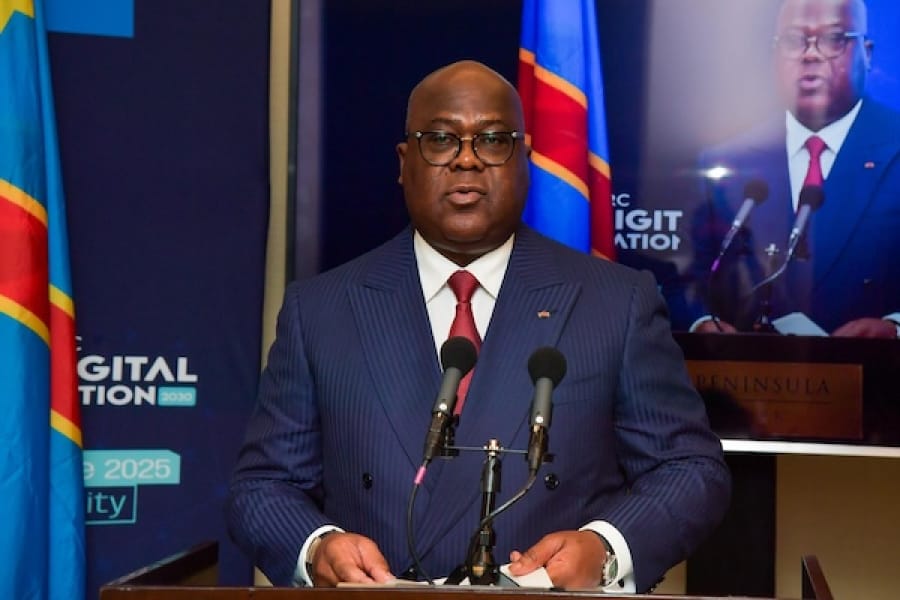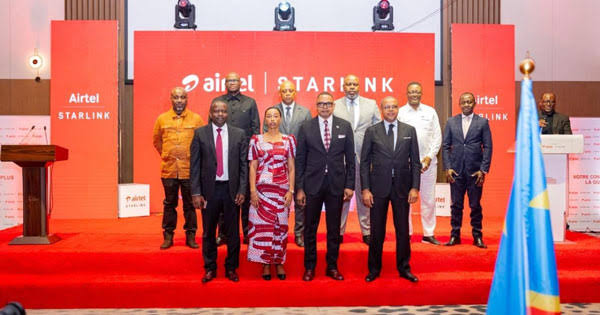
Airtel Africa and Elon Musk’s Starlink switched on satellite-to-mobile connectivity in the Democratic Republic of Congo on August 14, unveiled in Kinshasa alongside the country’s telecoms regulator, ARPTC. It’s the first time this technology has moved from pilot testing to full commercial deployment anywhere in Africa, and it works without a single piece of extra hardware. Compatible phones connect straight to Starlink satellites overhead in places where a conventional mobile tower simply isn’t there.
There’s no dish to install and no separate satellite terminal to buy. Instead, specially equipped satellites function like mobile towers positioned in orbit, communicating directly with a regular smartphone as long as it has a clear view of the sky. Right now that means a compatible LTE Android device, an active Airtel DRC data bundle or roaming enabled, and Starlink’s satellite-to-mobile constellation of roughly 650 launched satellites, which the companies describe as the largest network of its kind in the world. SpaceX says the service already works across more than 100 device models, with support for Apple devices expected to follow. It’s worth being clear about what this isn’t, too: this is basic connectivity, covering SMS and light-data apps like WhatsApp, not full-speed internet, video streaming, or the complete range of services a normal mobile connection offers.
Eligible customers can register through the MyAirtel App for a free 30-day introductory trial. After that window closes, continued access moves to paid data bundles rather than staying free.
The choice of DRC as the launch market isn’t incidental. Airtel DRC managing director Thierry Diasnoma has pointed to the country’s sheer size and geography as the core problem satellite connectivity is meant to solve: many people in the DRC live, work, and travel well beyond the reach of conventional mobile infrastructure, and building towers to reach them is often not economically viable in the first place. The numbers back that up. Per ITU data, only around 30% of DRC’s population used the internet as of 2023, a gap shaped heavily by dense forest, difficult terrain, and security pressures that make traditional tower construction both expensive and risky in large parts of the country. Regulatory groundwork mattered too. DRC authorities granted Starlink DRC SA a full telecommunications licence back in May 2025, clearing restrictions on satellite equipment that had previously stood in the way.
DRC is the opening market in a partnership with far larger ambitions. Airtel Africa and SpaceX first announced their direct-to-cell partnership in December 2025, a deal spanning all 14 of Airtel’s African markets and a combined subscriber base of around 189 million people. Kenya hosted a successful pilot of Starlink Mobile’s data and messaging services back in March, but DRC is the first market where the service has actually gone commercial. Airtel Africa CEO Sunil Taldar called the DRC market’s role in that process significant, saying the country is “leading this important development,” with lessons from this deployment expected to shape a progressive rollout across Airtel’s other markets, each subject to its own country-specific regulatory approval.
Starlink isn’t operating in a vacuum here. Amazon has separately announced its own first satellite broadband partnership in Africa, selecting South African internet service provider Herotel to distribute its service, a sign that the race to close Africa’s connectivity gap from orbit now has more than one serious player chasing it.
Why It Matters
Direct-to-phone satellite connectivity is a meaningfully different proposition from the satellite broadband Starlink has offered for years, precisely because it removes the cost and friction of dedicated hardware. For a country where 70% of the population still isn’t online and where the terrain itself has made conventional infrastructure prohibitively expensive to build, a technology that works with the ordinary phone already in someone’s pocket is a far more realistic path to closing that gap than waiting for more towers to get built. Whether this model scales cleanly across Airtel’s other 13 markets will depend on regulators elsewhere moving as decisively as DRC’s did, but the DRC launch has already proven the basic premise works outside a lab.