In the history of West African tech, there is “Before 2020” and “After 2020.” For years, the primary critique from Silicon Valley and London was simple: “Where are the exits?” The ecosystem had seen talent, traction, and massive seed rounds, but it lacked the Final Validation of a major global acquisition.
When Stripe announced it was acquiring Paystack for over $200 million, the conversation changed overnight. This wasn’t just a fintech acquisition; it was a high-fidelity signal that African engineering and market-fit were worth a global premium.
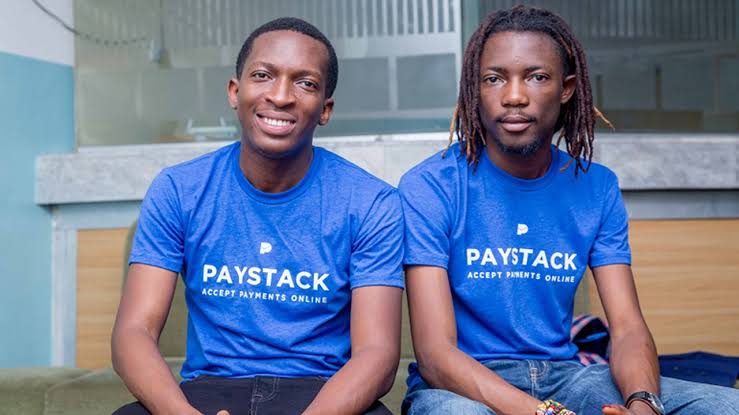
Paystack, founded by Shola Akinlade and Ezra Olubi, succeeded because it solved the Payment Friction Layer with a developer-centric approach.
-
The Stripe Parallel: Often called the “Stripe of Africa,” Paystack built a clean API that allowed a fragmented market to synchronize.
-
The Infrastructure Play: Stripe didn’t just buy a user base; they bought the Digital Plumbing of Nigeria. At the time of the deal, Paystack was processing over 50% of all online transactions in Nigeria, proving that infrastructure is the most valuable asset in an emerging economy.
The most profound legacy of the $200M deal isn’t what happened to Stripe; it’s what happened to the Capital Pool in Lagos.
-
The “Paystack Mafia”: Much like the PayPal Mafia in Silicon Valley, the Paystack exit created a cohort of early employees and founders with significant liquidity.
-
Angel Resurgence: Suddenly, former founders became Angel Investors. We saw immediate re-investment into the next generation of startups. Early angels like Kendall Ananyi (Tizeti) reported returns as high as 49x in Naira terms, fueling a cycle of local capital that is less dependent on foreign sentiment.
The deal acted as a Sovereign Risk Mitigator.
-
The Series A Benchmark: Stripe’s entry (which began with leading Paystack’s $8M Series A in 2018) proved that global giants could successfully navigate the regulatory and operational landscape of West Africa.
-
The Valuation Floor: The $200M figure set a benchmark for what a high-growth African fintech was “worth,” giving later-stage founders the leverage needed to negotiate better terms with global private equity firms.
In the 2026 tech theater, the Stripe-Paystack deal is viewed as the Zero-Point for institutional trust. It proved that African startups don’t just “burn cash”—they generate Liquidity. By proving the exit was possible, Paystack hard-coded the confidence that allows today’s founders to build for scale rather than just for survival.
Index Report: The Paystack Milestone Vitals
| Component | Status | Strategic Significance |
| Acquirer | Stripe | Global validation from a top-tier fintech giant. |
| Deal Value | $200 Million+ | The largest Nigerian tech acquisition at the time. |
| Founders | Akinlade & Olubi | Transitioned from builders to ecosystem anchors. |
| Primary Legacy | Angel Capital | Created the “Paystack Mafia” investor pool. |
| 2026 Impact | Standardized Exit | Proved the viability of the African M&A corridor. |
The “Index” Take: The Stripe-Paystack deal was the moment the world stopped asking if Africa could build unicorns and started asking how many more were in the pipeline. In 2026, we are still riding the wave of the capital and confidence that $200M injected into the soil of the Lagos tech scene.