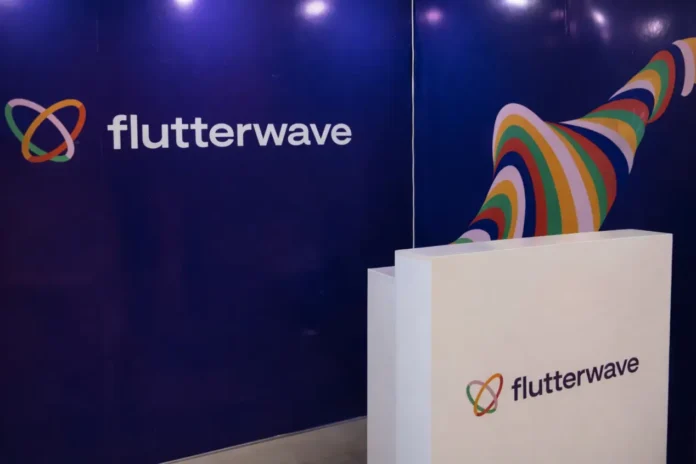
The narrative of “African Fintech” is undergoing a structural hard-coding. For a decade, the dream was built on a layer of “Partnerships.” You built the app, but a legacy bank held the license, the deposits, and the ultimate control. That model just hit a wall. Today, April 4, 2026, following Flutterwave securing its own banking license earlier this week, the signal is undeniable: If you don’t own the rails, you don’t own the future.
The “Internalization” Alpha
While “Pure Fintechs” continue to pay a “Partnership Tax” to traditional banks, the titans are Internalizing the Stack.
-
The Margin Alpha: By becoming a bank, Flutterwave isn’t just adding a feature; it’s removing a massive operational cost. It can now settle its own transactions and, more importantly, hold its own deposits. This creates a “Liquidity Moat” that allows them to lend from their own balance sheet, effectively cutting the legacy banks out of the profit loop.
-
The “Full-Stack” Moat: Coupled with Moniepoint’s recent acquisition of Orda to own the vertical SaaS (Software as a Service) stack for businesses, we are seeing the birth of the “Business-in-a-Box” Bank. They own the software the merchant uses, the hardware that swipes the card, and now, the license that holds the money.
The Death of “Distribution-Only” Models
This isn’t just about “Financial Inclusion”; it’s about “Utility Dominance.”
-
The Shift to Utility: The old “Agency Banking” model—placing a POS terminal on every corner—is reaching its saturation point. In 2026, Distribution is a commodity; Utility is the prize. The new winners are those who embed credit and insurance directly into the merchant’s workflow (SaaS), moving from being a “payment middleman” to a “business partner.”
-
The Take: In the 2026 economy, “Ownership is the only Exit.” The “Big Four” (Nigeria, Kenya, Egypt, South Africa) are no longer watching startups grow; they are watching Super-Conglomerates consolidate. These are the new digital central nervous systems of the continent.
The Great Fintech Squeeze
As we enter Q2 2026, the ecosystem must answer three brutal questions:
-
The Compete vs. Collaborate Dilemma: How does a “pure” fintech compete with a giant that no longer pays for the rails it walks on? The price war is coming, and the “API Middlemen” are the first casualties.
-
The Regulation Trap: A banking license brings Banking Supervision. While Flutterwave gains sovereignty, it also gains the “Regulatory Weight” of a Tier-1 bank. Can a “Move Fast and Break Things” tech culture survive the scrutiny of a Central Bank?
-
The Exit Ceiling: In a market where the “Platforms” are becoming the “Banks,” is there any room left for a standalone app? Or is the only path left to be acquired before the giants build your feature as a core service?
Toward “Sovereign Tech Bourses”
By late 2026, the success of this banking pivot will be measured by Net Interest Margins (NIM). We are moving toward an era where the most valuable “Banks” in Africa won’t have marble lobbies or physical vaults—they will have the best APIs and the deepest Data Ledgers.
The “Fintech” era—defined by apps sitting on top of banks—is dead. The “Tech-Bank” era—defined by banks built inside of code—has begun. Flutterwave’s license isn’t a trophy; it’s a Battle Cry.
Index Report: The “Full-Stack” Vitals
| Play | Strategic Alpha | Market Impact |
| Flutterwave License | Direct Settlement & Deposit Holding | Removes dependency on Tier-1 Legacy Banks. |
| Moniepoint + Orda | Vertical SaaS Integration | Captures the entire merchant value chain (Software + Finance). |
| Consolidation Trend | The “Big Four” Hegemony | Capital huddling around 3-4 Pan-African “Super-Platforms.” |
| The “Exit” Reality | Acquire or Be Acquired | Standalone “Micro-Fintechs” facing a brutal Q2 squeeze. |
Sources & References
-
TechCabal (Apr 2026): Flutterwave’s Banking License: The End of Fintech as We Know It?
-
BusinessDay Nigeria (Apr 2026): Why Nigeria’s Tech Giants are Racing to Become Regulated Banks
-
Punch Newspapers (Apr 2026): Central Bank Approves New Tier of Tech-Led Commercial Banking Licenses
Question for the Day:
In a market where the “Platforms” are becoming the “Banks,” is there any room left for a standalone fintech app, or is the only path left to be acquired by a giant?