Deleting the “Gridlock Tax”
Nairobi’s reputation for crippling traffic is meeting a high-fidelity solution. The Kenyan government has allocated KES 1.18 billion ($9.1 million) in the 2026/2027 budget to initiate the transition from manual traffic management to an AI-driven Intelligent Transport System (ITS).
-
The Economic Bug: Traffic congestion currently drains the Kenyan economy of approximately KES 120 billion ($929.1 million) annually. This “Gridlock Tax” manifests in wasted fuel, lost productivity, and logistical friction.
-
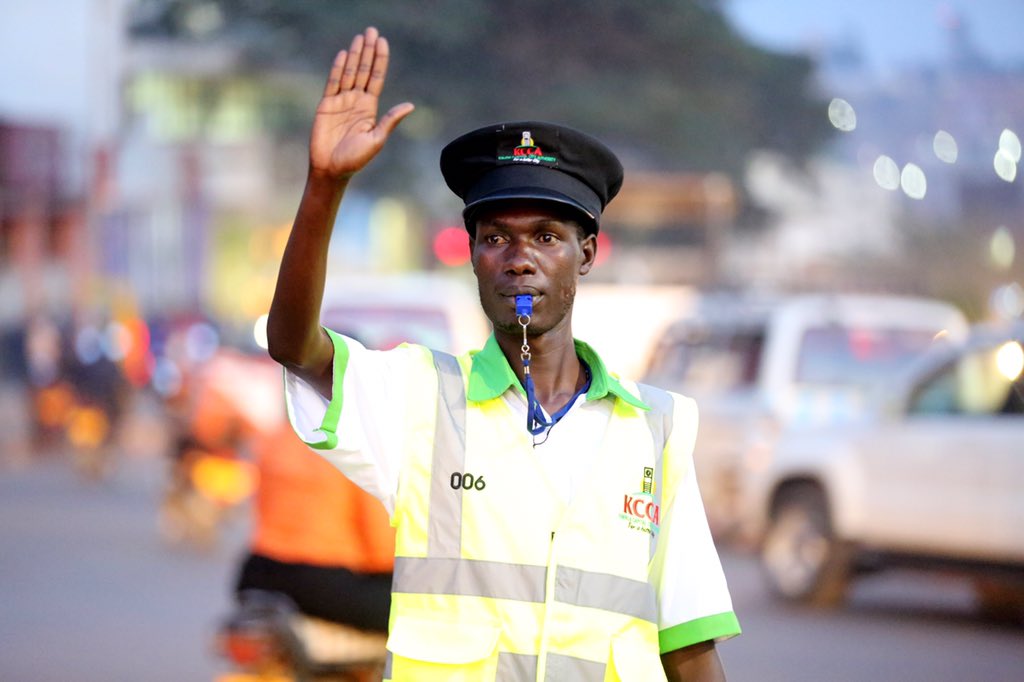
The Solution Logic: Instead of building more roads (which often leads to induced demand), the state is optimizing the existing “Physical Rail” using Smart Logic. Human traffic officers, prone to fatigue and inconsistent signaling, are being phased out in favor of sensors that don’t blink.
The 125-Intersection Stack
The rollout is not a pilot; it is a full-scale Infrastructure Upgrade targeting 125 major junctions. The technical stack includes:
-
Dynamic Signal Control: Smart cameras and road-embedded sensors will monitor vehicle density in real-time, automatically adjusting traffic light cycles to prioritize the heaviest flows.
-
Automated Enforcement Rail: The system is equipped with License Plate Recognition (LPR). It will automatically detect and ticket red-light violations, speeding, and—crucially for the Nairobi ecosystem—helmet compliance among boda boda riders.
-
High-Traffic Nodes: Key junctions like Raila Odinga Way-Lang’ata Road and Moi Avenue-Kenyatta Avenue are slated for immediate automation to unlock the city’s central business district.
A KES 5.3 Billion Roadmap
This transition represents a multi-year commitment to Digital Mobility. The government has signaled a total investment of KES 5.3 billion over the next three financial years.
-
Phase 1 (2026-2027): Deployment of the primary AI sensors across the most congested hotspots.
-
The 2028 Milestone: Target of 50% completion, where the AI system begins to handle the majority of city-wide synchronization.
-
Full Automation (2029): The projected end-date for the daily reliance on manual officer intervention at major junctions.
THE VITALS: Nairobi AI Traffic Scorecard
| Metric | Details |
| Initial Investment | KES 1.18 Billion ($9.1M) |
| Total Project Cost | KES 5.3 Billion ($41M) |
| Scale | 125 Major Intersections |
| Primary Goal | Elimination of KES 120B annual economic loss |
| Key Capability | AI enforcement (Speeding, LPR, Helmet Compliance) |
| Completion Target | 100% by 2029 |
THE FOUNDER PLAYBOOK: Capitalizing on the “Smart City” Rail
For the 2026 entrepreneur, the automation of Nairobi’s streets creates a new Utility Layer:
-
The Logistics Edge: Real-time traffic data from the ITS could eventually be opened via API. Logistics and delivery startups (like Glovo or Copia) that integrate this “Flow Logic” will significantly reduce their Last-Mile Latency.
-
Insurance Tech (InsurTech): With the AI system tracking violations and accidents with high-fidelity cameras, insurance firms can move toward Data-Driven Premiums based on actual driver behavior caught on the network.
-
The Boda Boda Pivot: The focus on helmet compliance signals a tightening of the “Informal Transit Rail.” Startups providing safety gear and compliance tracking for riders now have a regulatory tailwind.
Sources & References
-
[1] TechCabal: Nairobi to phase out traffic police for AI-powered system
-
[2] Kenya National Treasury: Budget Statement for Fiscal Year 2026/2027 – Infrastructure & ICT Allocation
-
[3] Business Daily Africa: Government allocates Sh1.2bn for AI traffic lights to curb city jams
The “Index” Take: In 2021, we viewed AI as a “Future Tech.” In 2026, Nairobi is proving it is a Primary Utility. By replacing manual signaling with algorithmic flow, Kenya isn’t just fixing traffic; it’s reclaiming nearly $1 billion in lost economic energy. The city is being re-written as a Programmable Environment, where the road becomes a smart rail and the “Human Bug” is finally patched.