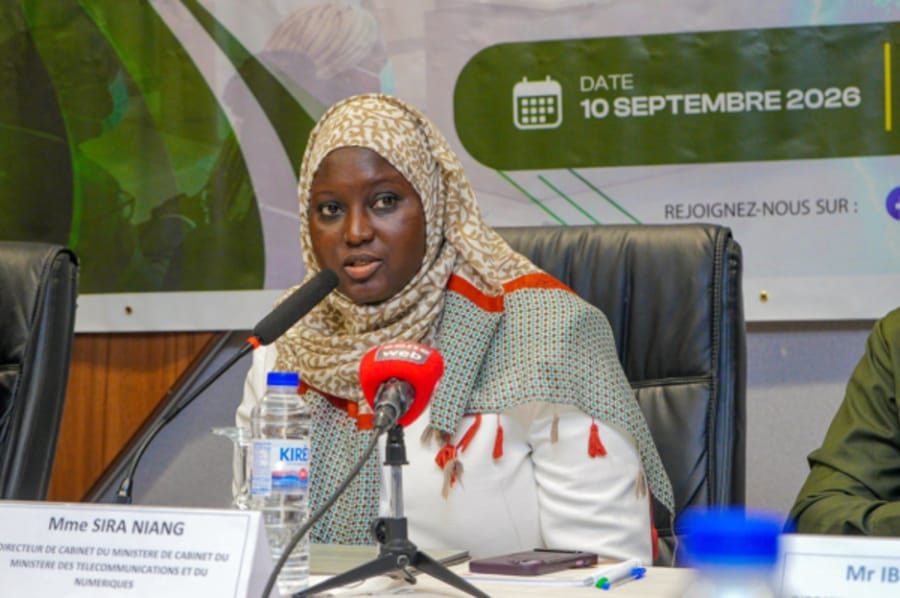
Speaking at the 2026 GovTech conference in Durban, South Africa’s Minister of Communications and Digital Technologies, Solly Malatsi, urged the government to establish precise policies and strategic frameworks for national digital sovereignty.
Hosted by the State Information Technology Agency (SITA) under the theme “Building Digital Sovereignty: South Africa as the Architect of its Digital Destiny,” the conference focused on helping the state make independent choices regarding its digital infrastructure, data governance, and public online rights.
Defining Digital Sovereignty as a Developmental Priority
Addressing conference delegates, Minister Malatsi emphasized that digital sovereignty is a matter of both national security and economic growth. He highlighted that establishing sovereignty requires balancing national priorities with global technological advancements amid geopolitical tensions and rapid AI development.
Key priorities outlined by the Minister include:
-
Shifting to Execution: Moving from defining strategic policy visions to actively implementing digital governance policies.
-
Regulatory Oversight: Developing targeted legislation to safeguard sensitive public data, defend online citizen rights, and preserve national security.
-
Developmental Anchor: Viewing digital sovereignty as a pillar for economic expansion rather than solely an exercise in security or state control.
The Minister’s address follows the earlier withdrawal of South Africa’s Draft National Artificial Intelligence Policy after references were found to contain AI-generated citations.
SITA and the Collaborative Ecosystem Model
Leadership from the State Information Technology Agency (SITA) underscored that achieving digital self-determination requires joint participation across all levels of government, state-owned enterprises, higher education institutions, private technology providers, and small businesses.
-
SITA’s Platform Role: Magatho Mello, Managing Director of SITA, noted that the agency’s primary function is establishing common technical foundations, shared platforms, and interoperability standards to unite government operations into a single digital ecosystem.
-
Operational Resilience: SITA Board Chairperson Professor Stella Bvuma defined practical sovereignty as maintaining complete visibility and control over where state data resides, who retains access, and how critical public services maintain continuity during vendor or network outages.
SITA leadership maintained that developing in-house technical capabilities and local skills is essential to preventing vendor lock-in and avoiding unilateral reliance on third-party digital infrastructure providers.