The operational landscape of African Out-of-Home (OOH) advertising is entering a distinct phase of structural consolidation. For over two decades, urban airspace across East African metropolitan centers has been highly fragmented, split between multinational networks and agile, localized independent operators. However, as global brands and regional conglomerates increasingly demand programmatic digital capabilities, cross-border campaign execution, and absolute scale, independent operators are finding it capital-inefficient to compete in isolation.
To aggressively expand its market dominance in the East African economic corridor, UAE-based OOH giant Alliance Media has completed the acquisition of Brandit Outdoor, a premier independent outdoor advertising operator based in Kampala, Uganda.
Executed in March 2026 and finalized in May, the transaction marks a significant roll-up in the region’s media landscape, absorbing a highly respected 15-year-old local player into a network that spans more than 40 countries and controls over 25,000 advertising sites globally.
The Deal Mechanics: Capturing Kampala’s High-Traffic Corridors
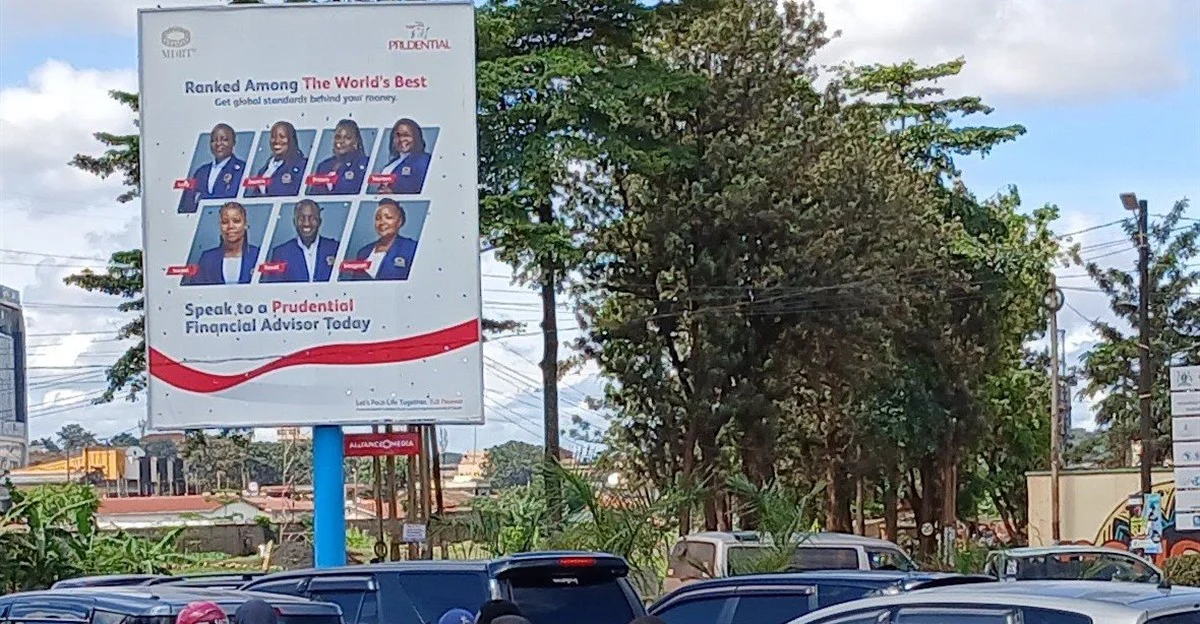
The acquisition immediately transfers 73 premium, large-format billboard faces located across central Kampala into Alliance Media’s existing Ugandan portfolio.
Brandit Outdoor, founded in February 2009 by Abdi Liban Omar and Omar Amaya Liban, built a highly defensible real estate footprint in Uganda’s capital over its 17 years of independent operation. As a prominent member of the National Outdoor Advertisers’ and Contractors’ Association of Uganda (NOACA), Brandit’s inventory captures prime commercial real estate that has historically been difficult for foreign entities to secure due to localized zoning laws and long-term land lease architectures.
By absorbing this specific inventory, Alliance Media Uganda—which has operated in the country since 1999—reaches a critical saturation point in a city characterized by unique demographic pressures:
-
The Daytime Population Surge: While Kampala has a residential baseline of roughly 1.8 million people, its daytime commercial population swells to between 2.5 million and 4.5 million commuters, making high-impact static and digital billboards an incredibly lucrative medium for reaching captive audience nodes.
-
Complementary Network Geometry: Alliance Media’s existing network already anchors core traffic intersections near Lugogo, Wandegeya, City Square, and the Golf Course. The Brandit acquisition extends this blanket coverage into previously unserved central commercial zones, building an ironclad urban network.
The Driving Thesis: Scale, Digitalization, and Regional Bundling
The liquidation of Brandit Outdoor into a larger multinational corporate envelope highlights three structural demands currently rewriting the playbook for African media buyers:
1. The Capital Requirements of Digital OOH (DOOH)
The modern advertising market is rapidly shifting away from legacy vinyl posters toward high-fidelity, LED digital screens capable of dynamic, programmatic ad delivery. Converting a single large-format static billboard into a premium digital face requires heavy capital expenditure, high-speed fiber links, and autonomous power solutions to counteract municipal grid instability. For independent operators like Brandit, funding this digital transition at scale is capital-prohibitive. Alliance Media possesses the balance sheet liquidity required to rapidly digitize these newly acquired 73 faces.
2. Multi-Market Regional Bundling
Pan-African enterprises (such as tier-1 telcos, cross-border banks, and fast-moving consumer goods giants) no longer want to negotiate individual ad contracts with isolated local operators in every city. They demand unified, multi-market campaigns. Alliance Media’s presence across six key East African nodes creates a highly defensible regional network moat:
        ALLIANCE MEDIA'S EAST AFRICAN FOOTPRINT

                    [ ETHIOPIA ]
                         │
         ┌───────────────┼───────────────┐
         ▼               ▼               ▼
    [ UGANDA ]       [ KENYA ]      [ TANZANIA ]
  (73 New Faces)         │               │
         │               └───────┬───────┘
         ▼                       ▼
    [ RWANDA ]              [ BURUNDI ]
Structural Evolution of the OOH Infrastructure
| Feature Vector | Legacy Independent Operators (e.g., Brandit Pre-Acquisition) | Consolidated Multinational Networks (e.g., Alliance Media Stack) |
| Inventory Type | Predominantly static, large-format canvas and vinyl billboards. | Integrated Static + Digital OOH (DOOH) featuring programmatic, real-time ad serving. |
| Contractual Reach | Localized city-by-city sales; highly vulnerable to domestic economic shifts. | Multi-country, pan-regional campaign packages covering international airports, malls, and highways. |
| Data & Analytics | Rudimentary traffic estimation based on historical city data. | High-fidelity mobility analytics, intersection pings, and verifiable audience impression metrics. |
The Index Take
Alliance Media’s acquisition of Brandit Outdoor is a textbook example of late-stage consolidation within a maturing media market. In an era where data-driven advertising, programmatic buying, and digital conversion dictate where corporate marketing budgets flow, the runway for independent billboard operators is shrinking.
Uganda’s steady GDP growth of over 6% and its massive youth demographic make Kampala an incredibly attractive market for consumer-facing brands. However, extracting maximum yield from this market requires infrastructure that can integrate with global programmatic platforms.
By rolling up independent inventory under a single corporate umbrella, Alliance Media is transforming a fragmented local market into an institutional-grade network asset. For other independent operators across sub-Saharan Africa, the message from this Kampala transaction is clear: either secure institutional capital to rapidly digitize your inventory, or prepare to be neatly folded into a multinational media empire.
Sources & References
-
[1] Alliance Media Global Corporate Repository: Alliance Media Completes Strategic Acquisition of Brandit Outdoor to Scale Ugandan Portfolio
-
[2] Bizcommunity East Africa Terminal: Consolidation Waves: Alliance Media Expands in Uganda via Brandit Outdoor Acquisition
-
[3] Campaign Middle East Industry Ledger: UAE-Based Alliance Media Acquires OOH Operator Brandit Outdoor in Kampala
-
[4] Mission Media Analysis Terminal: Why Big OOH Companies Are Snapping Up African Billboard Operators: The Digital Imperative