Nestora Health plans clinician checks on at least 300 AI answers as it targets 500 users by April 2027
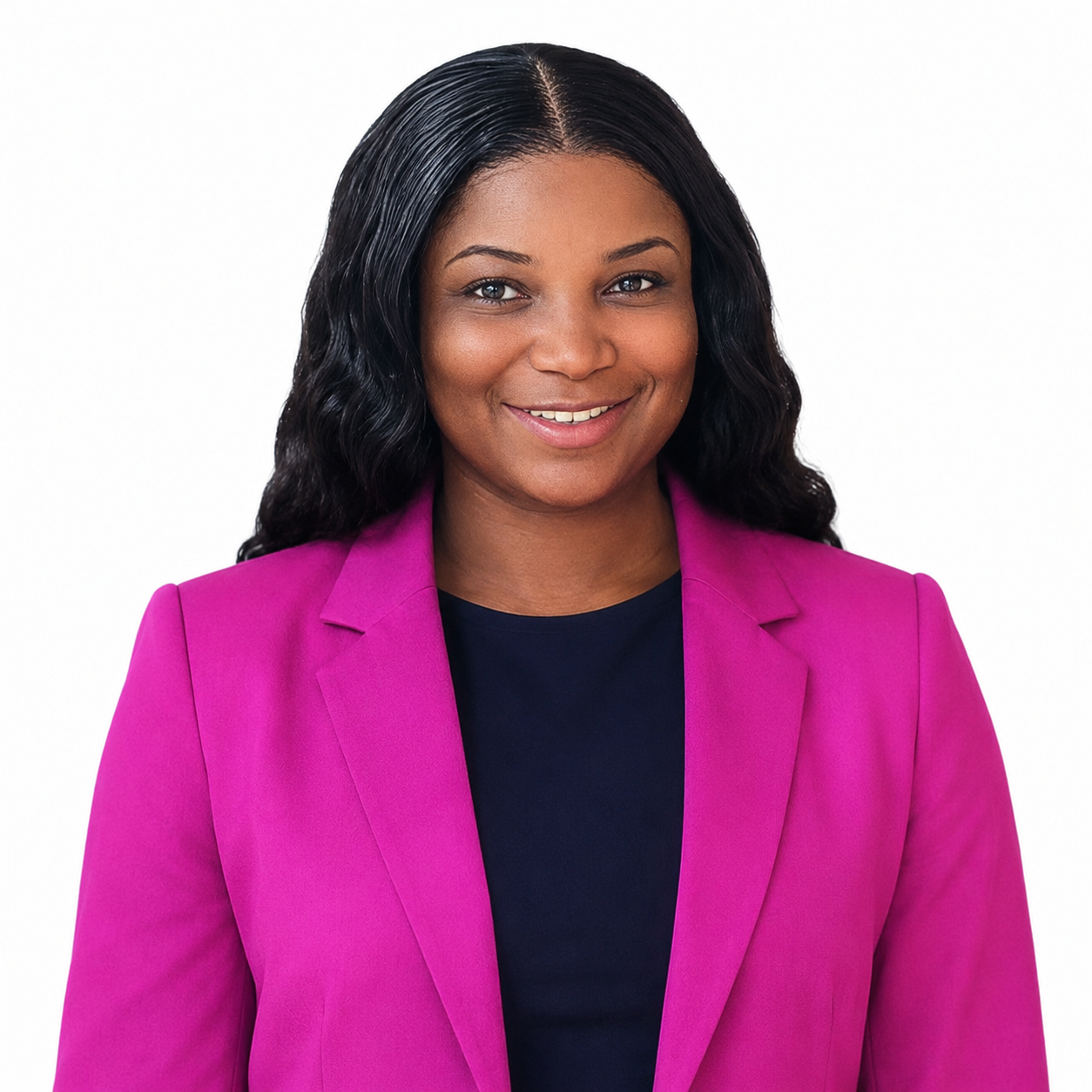
In an exclusive interview with Index Prima, Joy Ujunwa Egbu, founder of Nestora Health, shared plans to have clinicians review at least 300 AI-generated health answers for safety. She also said something she had never said in public: she has built the platform largely on her own savings.
Nestora offers clinician-reviewed information, an AI companion that answers health questions, tools to track health indicators and links to healthcare providers. It is for women and girls in Nigeria and across Africa. In October, 25 of the 30 women at a community event in Okitipupa, Ondo State, tested an early version. Egbu says she has put in about ₦589,100 of her own money, has raised no outside equity, and wants 500 registered users by April 2027.
It began with a loss. Egbu lost her baby after complications from severe preeclampsia, a rise in blood pressure during pregnancy. She says she knows how frightening pregnancy complications can be, especially when you are trying to understand what is happening to your body and what to do next. After her loss, she began to think about other women. Some live far from a clinic. Some have questions between hospital visits and do not know where to turn. “I wanted to build something that could help women feel more informed, supported and less alone throughout their health journey,” she said. She began talking to women and healthcare workers, and Nestora grew out of those talks.
The product is built around everyday needs. Egbu describes one woman who used reminders to stay on track with her medication. Another used the platform to learn about menopause. “Women do not all come to Nestora with the same needs,” she said. Some want help with a routine. Others want plain answers about changes in their bodies.
Her first big lesson came from testing. The team had put most of its effort into the technology and the information. Then women tried it. They reported trouble with signing up, voice replies that did not always sound natural, and weak connections. “Having a useful product was not enough,” Egbu said. The team went back over the user experience and spent extra time on fixes instead of adding features. She says they cannot build based on what they think women need.
Then came a choice that goes against common startup advice. Many founders are told to grow a social media following first. Egbu was bootstrapping and had little to spend, so she chose to take the product to women in person and to build ties with hospitals. Her reasoning was that in maternal health, “trust had to come before visibility.”
Here is what that approach produced so far.
| Step | What happened |
|---|---|
| Research. | 30 women across seven Nigerian states, from 8 August to 28 September 2026. 20 named emotional support as a need. |
| Hospital link. | A letter of intent for a hospital pilot with KETU-L Medical Services, signed in September 2026. |
| Community pilot. | Okitipupa, Ondo State, on 18 October 2026. 30 women attended and 25 tested the early version. |
| Payment test. | In one early community test, 11 women paid for access. |
By our sums, 20 of 30 women is about two in three. Egbu says the research also showed that needs change with each stage of life. A pregnant woman, a new mother, a woman who has lost a pregnancy and a woman going through menopause worry about different things. Many concerns arise outside the hospital, she says, when women get home and have questions, or need help to remember a routine or spot warning signs.
Trust was the hardest part, and AI makes it harder.
In Okitipupa, Egbu knew the team could not simply walk in and expect women to trust an AI tool. So Nestora brought nurses to teach about maternal health and let women try the platform themselves. The AI companion is built on a knowledge base reviewed by clinicians. She says people must understand that the technology supports health workers and does not replace them. “In African healthcare, technology alone is not enough,” she said.
The money story is plain. Nestora plans two income streams: individual subscriptions and partnerships with hospitals, providers and NGOs. Individuals would get basic features free and pay for more. Egbu says she has put in about ₦589,100 of her own money for the early version, research and testing. A stipend of ₦286,000 from the iDICE Startup Bridge programme helped pay for the community pilot, data collection and transport. By our sums, her own money is about two-thirds of the ₦875,100 that the two sources add up to. She says there is no predictable recurring revenue yet.
She has also gathered support beyond cash. Nestora belongs to the iDICE Startup Bridge Founders Lab, backed by Plus Incubation Hub. It was selected for the UNDP timbuktoo Africa AI Innovation Programme. A Clinical Advisory Network of health professionals reviews its content. On the team, a technical lead called Smarts guides the product build. Chisom Darlynton Steve-Oko leads front-end work, which means the screens women see. A maternal health nurse, Taiwo, helps with health education and clinical checks.
The next 12 months are mapped out in numbers.
| Target | Goal |
|---|---|
| Registered users. | 500 by April 2027, including 150 patients through hospital pilots. |
| User interviews. | At least 40 structured interviews. |
| AI safety review. | At least 300 AI-generated answers checked by clinicians. |
| Clinical testing. | More healthcare professionals trying the platform. |
Egbu names four things that could slow her down: funding, reliable technology, the right technical talent, and the time it takes to earn trust in healthcare.
She told us the part she says she has never said in public.
Nestora has been built largely on her savings. At times she had to make hard money decisions. She also wondered “how much longer I could keep funding the journey myself.” She wants founders to be honest about that. “I think there is sometimes too much pressure on founders to present a picture of constant success,” she said.
Why it matters: Maternal health care does not end when a woman leaves the clinic. Egbu’s story shows a founder starting from a personal loss and testing with real women before scaling. It also shows how much trust matters when AI enters health care. Nestora’s use of nurse-led education, a clinician-reviewed knowledge base and a plan to check hundreds of AI answers for safety is a model other health startups can learn from. Her openness about self-funding is also useful. It shows what early-stage building looks like for many African founders.
Sources: Exclusive Index Prima interview with Joy Ujunwa Egbu, founder of Nestora Health, November 2026; Nestora Health, www.nestorahealth.xyz.
Filed under Founder Playbook · Regional: West Africa
A note for startup founders: Don’t practice on investors. Practice on AI first. RaiseReady by Index Prima is an AI fundraising simulator for African founders: upload your pitch deck, get a readiness score and face a tough AI investor before the real meeting. Find this post, and every post we publish, at raiseready.indexprima.com.