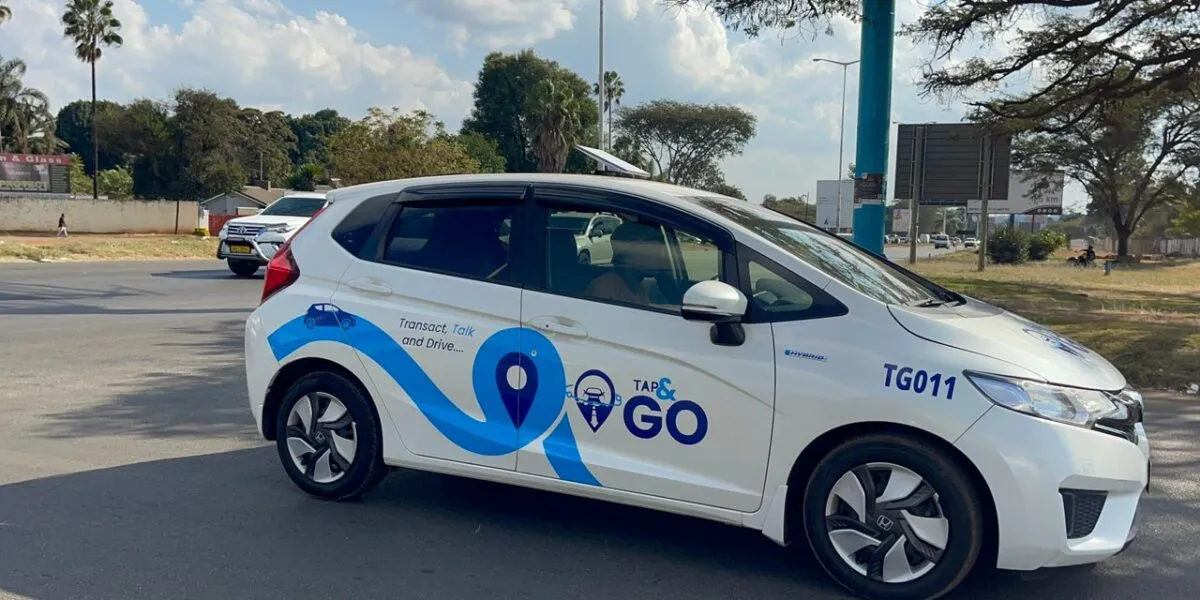
Zimbabwe’s Ministry of Transport has published draft rules that would make e-hailing drivers scan their faces before going online every day. The draft also caps platform commission at 18% and bars drivers whose cars are more than 10 years old.
The rules would apply to apps such as Bolt, inDrive and Tap & Go. They set out who can drive, what a car must meet and what a platform must do, and they follow a five-month pause that Cabinet approved on 8 September. The draft is not law. Many figures in it are still in square brackets, which means they may change, and the reports we reviewed gave no date for public comment to close.
Why now? Cabinet’s pause gave the ministry time to write rules for services that the old transport law does not cover. Transport Minister Felix Mhona told Parliament earlier that the Road Motor Transportation Act has no provision for them, and he admitted the state is losing revenue. Drivers faced arrests in August, a local analysis says, because the law did not fit their work.
Here is what the draft would ask of drivers and their cars, as reported.
| Area | Proposed rule |
|---|---|
| Driver. | Zimbabwean citizen, aged 21 or older, with a licence held for five years. |
| Papers. | Defensive driving and medical certificates, plus a two-year e-hailing permit. |
| Face check. | A face scan before going online each day, and again at intervals of up to 12 hours. |
| Car age. | No more than 10 years old from the date it was made. |
| Car papers. | Fitness certificate, passenger insurance, an e-hailing disc and tax clearance from the Zimbabwe Revenue Authority. |
| Road charge. | A road-user charge to the national road body, ZINARA, on every trip. The amount is not yet set. |
The face scan is the headline rule. Its aim is to confirm that the person driving is the person on the account. That targets account sharing and unauthorised drivers. The reports we reviewed do not say how face data would be stored or protected.
Platforms would face their own list of duties.
| Area | Proposed rule |
|---|---|
| Accreditation. | A licence from the state, for a proposed fee of $500. Advertising an unlicensed app would be an offence. |
| Local presence. | A physical office in Zimbabwe, or a local representative. |
| Safety. | A staffed safety centre that runs 24 hours a day. |
| Price limits. | Commission capped at 18% of the fare. Surge pricing capped at twice the normal fare. |
| Driver pay. | Drivers paid within seven days. |
| Data. | Trip records, including routes, kept for six years, with a copy on a server in Zimbabwe. |
| Police access. | Officers of Inspector rank or above could ask for records without a warrant in an emergency. |
Passengers would also see changes. They would register with a mobile number in their own name. Cash payers, and anyone riding between 9 pm and 5 am, would have to give a national ID or passport number. Under-18s could not hold accounts. Councils could not ask drivers for their own licences.
What would it cost? One analysis puts the operator licence at $125 for three years, plus per-vehicle fees. It says a typical Harare driver earns about $14 a day before costs, which is an estimate and not an official figure. Commenters on one report criticised the road charge as double taxation. We have not seen a response from the platforms or driver groups.
Other countries show how this can go. Kenya capped commission at 18% in 2022, but its High Court later blocked key parts of the rules after Bolt challenged them. South Africa took 13 years to make licences for e-hailing drivers compulsory. One analysis of the draft warns that licensing platforms may rest on a power the Act does not clearly give, so a court test is possible.
Why it matters: Many people in African cities now use apps for rides, and many drivers earn their living from them. Rules can make rides safer and bring the sector into the tax net. But strict entry rules can also shut out young drivers and owners of older cars, and push work back into the informal economy. The daily face scan and the six-year trip records raise privacy questions that the draft must answer. The final text will show whether Zimbabwe protects riders and keeps drivers in work.
What to watch next: when the ministry opens public comment, and how to send it. Watch which bracketed figures change, such as the ZINARA charge, the car age limit and the commission cap. Watch how Bolt, inDrive and Tap & Go respond. Watch how driver groups react to the five-year licence rule and the face scans. Watch for any court challenge over the ministry’s power to licence platforms. And watch what happens when the five-month pause ends in early February 2027.
Sources: Innovation Village on Zimbabwe’s draft e-hailing rules, 12 November 2026; Techzim on the draft inDrive and Bolt rules; Ukweli Digest on the draft regulations; Equity Axis on Cabinet’s five-month pause; CITE on the minister’s remarks to Parliament.
A note for startup founders: Don’t practice on investors. Practice on AI first. RaiseReady by Index Prima is an AI fundraising simulator for African founders: upload your pitch deck, get a readiness score and face a tough AI investor before the real meeting. Find this post, and every post we publish, at raiseready.indexprima.com.