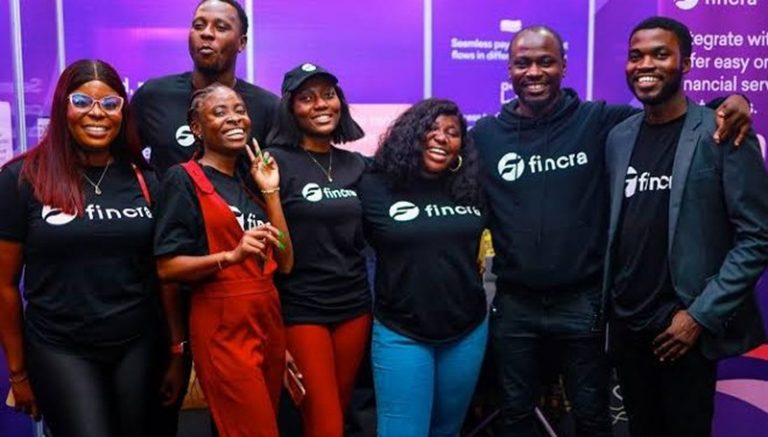
For years, Nigerian fintechs operating in Ghana relied on a fragmented stack of third-party aggregators, leading to “Settlement Latency” and high transaction costs. By securing the Enhanced Payment Service Provider (EPSP) license directly from the Bank of Ghana, Fincra has effectively achieved Full-Stack Autonomy in the Ghanaian market.
-
The Direct Rail: Fincra can now process local transactions, aggregate payments, and settle inbound remittances in Ghanaian Cedis (GHS) without secondary intermediaries.
-
The API Advantage: For businesses, this means moving from “Trial” to “Transmission”—plugging into a single API that handles the heavy lifting of multi-currency treasury management.
The EPSP license unlocks a high-fidelity suite of capabilities designed for the 2026 merchant. The technical stack now includes:
-
Mobile Money Aggregation: Direct collection from Ghana’s primary digital rails—MTN MoMo, Telecel (formerly Vodafone), and AT (AirtelTigo).
-
Instant Payout Engine: Global payroll and remittance firms can now execute “Instant Transmission,” moving funds directly into Ghanaian bank accounts and mobile wallets with zero “Human Latency.”
-
Inbound Remittance Settlement: Fincra now acts as the primary “Settlement Gateway” for cross-border trade, allowing merchants to collect GHS and settle in their preferred currency.
This move is a tactical masterstroke in the AfCFTA era. The Nigeria-Ghana corridor is the “Alpha Corridor” of West African trade, and Fincra is positioning itself as its Primary Operating System.
-
Optimized Reconciliation: Corporate treasurers can now consolidate GHS-denominated collections and merchant accounts into a single dashboard, providing a “Single Source of Truth” for regional finances.
-
Payroll Fluidity: By enabling instant disbursements, Fincra is solving the “Payroll Bug” for pan-African companies that struggle with the volatility and delay of traditional cross-border banking.
Fincra Ghana EPSP Scorecard
| Metric | Details |
| Licensing Authority | Bank of Ghana (BoG) |
| License Type | Enhanced Payment Service Provider (EPSP) |
| Local Rails | MTN MoMo, Telecel, AT, G-Money |
| Primary Utility | Direct GHS Processing & Inbound Remittances |
| Target Corridor | Nigeria – Ghana – Global |
| Operational Status | Live (API Integrated) |
Navigating the New Rails
For the 2026 architect building for West Africa, the Fincra expansion provides a clear manual:
-
Bypass the Aggregators: If you are building for the Ghana market, look for “Direct Gateway” providers. The fewer the hops, the higher your Transaction Success Rate (TSR).
-
Leverage MoMo Interoperability: In Ghana, Mobile Money is the “Primary Rail.” Fincra’s ability to aggregate these networks into one API allows you to scale without building individual integrations for each telco.
-
Automate Your Treasury: Use Fincra’s automated reconciliation tools to manage GHS/NGN/USD fluctuations in real-time, protecting your margins from currency “Slippage.”
Sources & References
-
[1] Fincra Blog: Fincra Secures Bank of Ghana EPSP License: Powering the Next Wave of African Trade
-
[2] TechCabal: Nigerian payments firm Fincra gets Ghana license to boost cross-border trade
-
[3] TechAfrica News: Fincra expands to Ghana with Enhanced PSP License
-
[4] Streamline Feed: Regional Fintech Expansion: Fincra Enters the Ghanaian Market
The “Index” Take: In 2021, we spoke about “Financial Inclusion.” In 2026, we are speaking about “Infrastructure Sovereignty.” Fincra’s EPSP license is a signal that the winners in the African fintech space are those who own the “Primary Rail.” By deleting the middleman in the Nigeria-Ghana corridor, Fincra isn’t just making payments faster; they are hard-coding the Efficiency Layer required for the AfCFTA to actually work.