Mozambique’s Constitutional Council has ruled unconstitutional the core provisions of a government decree that would have given the state sweeping power to suspend internet and telecommunications services whenever it deemed there was a threat to public or national security. The July 31 ruling lands as one of the more consequential digital-rights decisions on the continent this year, coming at a moment when internet shutdowns are becoming an increasingly routine tool for African governments facing political unrest.
What the Decree Allowed
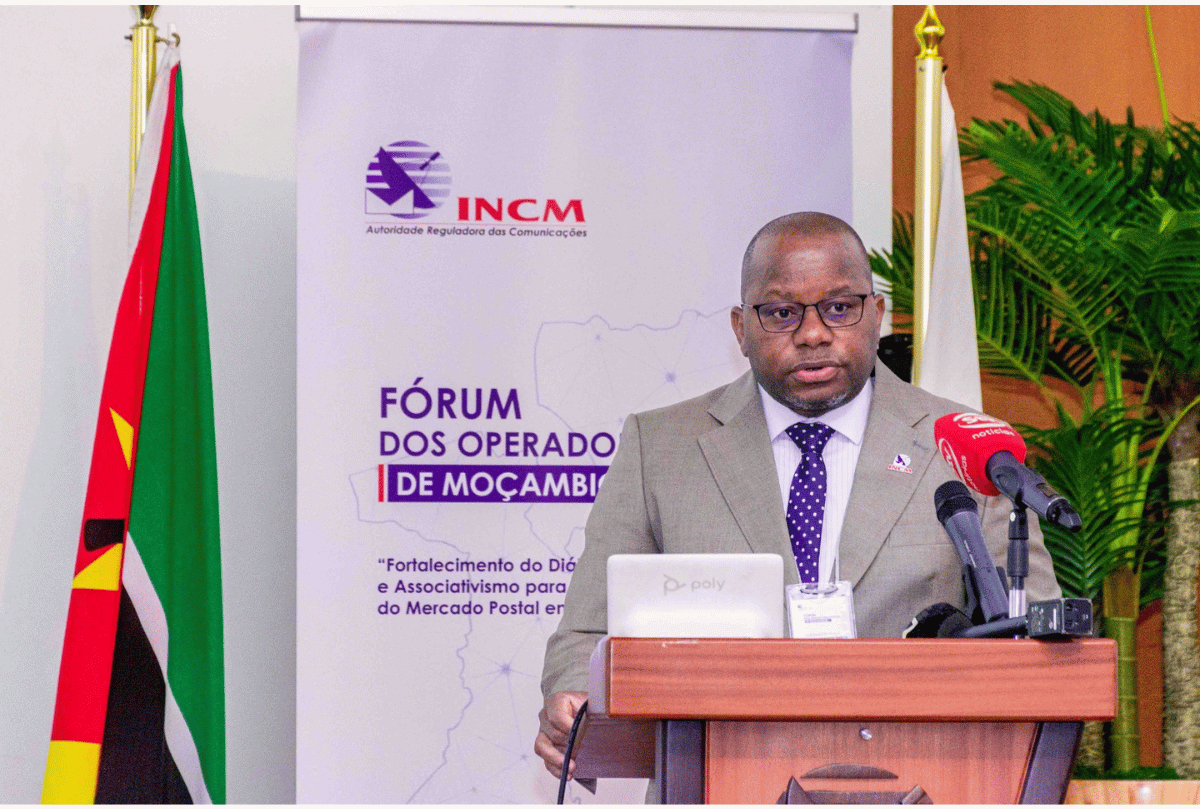
At issue was Decree 48/2025, the Telecommunications Traffic Control Regulations Decree, adopted by the government on December 16, 2025. It handed Mozambique’s National Communications Institute (INCM) the authority to order telecom operators to suspend services, including internet access, whenever there was an “imminent risk” to public or state security. Beyond outright shutdowns, the decree also authorized the state to monitor communications, collect user data, and intervene directly in operators’ networks to enforce its decisions — powers rights groups warned could be triggered on vague or politically convenient grounds.
Why the Court Struck It Down
The Council’s reasoning wasn’t really about whether shutting down the internet is ever justified — it was about who gets to make that call. The judges found that the government had exceeded its constitutional authority by using an executive decree to restrict fundamental rights in an area reserved exclusively for Parliament. Rules this consequential, in other words, need a law passed by the legislature, not a regulation issued unilaterally by the executive.
The Fight Behind the Filing
The ruling traces back to a January petition filed by the Centre for Democracy and Human Rights (CDD) with Mozambique’s Ombudsman, requesting a constitutional review of the decree. It wasn’t CDD’s first fight on this front — the group had already won an earlier case forcing mobile operators to restore access after internet restrictions during the unrest that followed Mozambique’s October 2024 election. In an August 2 statement, CDD noted that rather than heeding that earlier ruling, the government instead moved to write a fresh legal basis for the same kind of restriction.
The decree had also drawn opposition fire well before the court ruling: in February, the Anamola party, led by Venâncio Mondlane, submitted its own petition to the Council, backed by more than 3,000 signatures, arguing that letting the INCM suspend the internet for 48 hours before any judicial review amounted to a serious breach of the separation of powers.
Why This Matters Beyond Mozambique
Mozambique’s post-election period offers a preview of exactly what critics feared. Mobile internet and social media access were disrupted for weeks starting October 25, 2024, with major operators — Vodacom, Telecomunicações de Moçambique (TMcel), and Movitel — telling customers services were “temporarily restricted for reasons beyond our control,” without the government formally claiming responsibility. Human Rights Watch and other groups documented the toll on free expression, protest, and everyday livelihoods during that stretch.
The Committee to Protect Journalists welcomed the new ruling as a win for civic space, with the group’s Africa director calling it an encouraging case of a judiciary upholding rights at a time when governments elsewhere are testing constitutional limits. For a continent where shutdowns have become a recurring feature of contested elections, Mozambique’s Constitutional Council has now set a precedent worth watching well beyond its borders: emergency powers over the internet can’t simply be written into existence by decree.