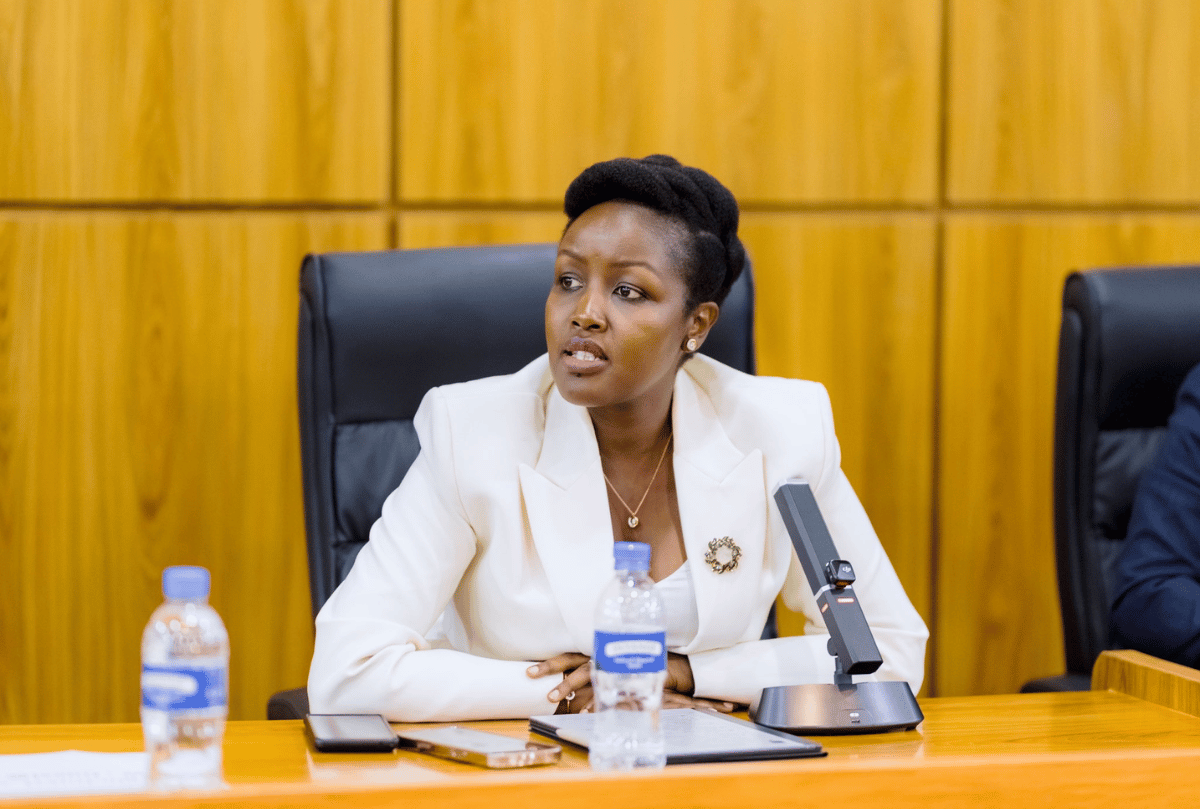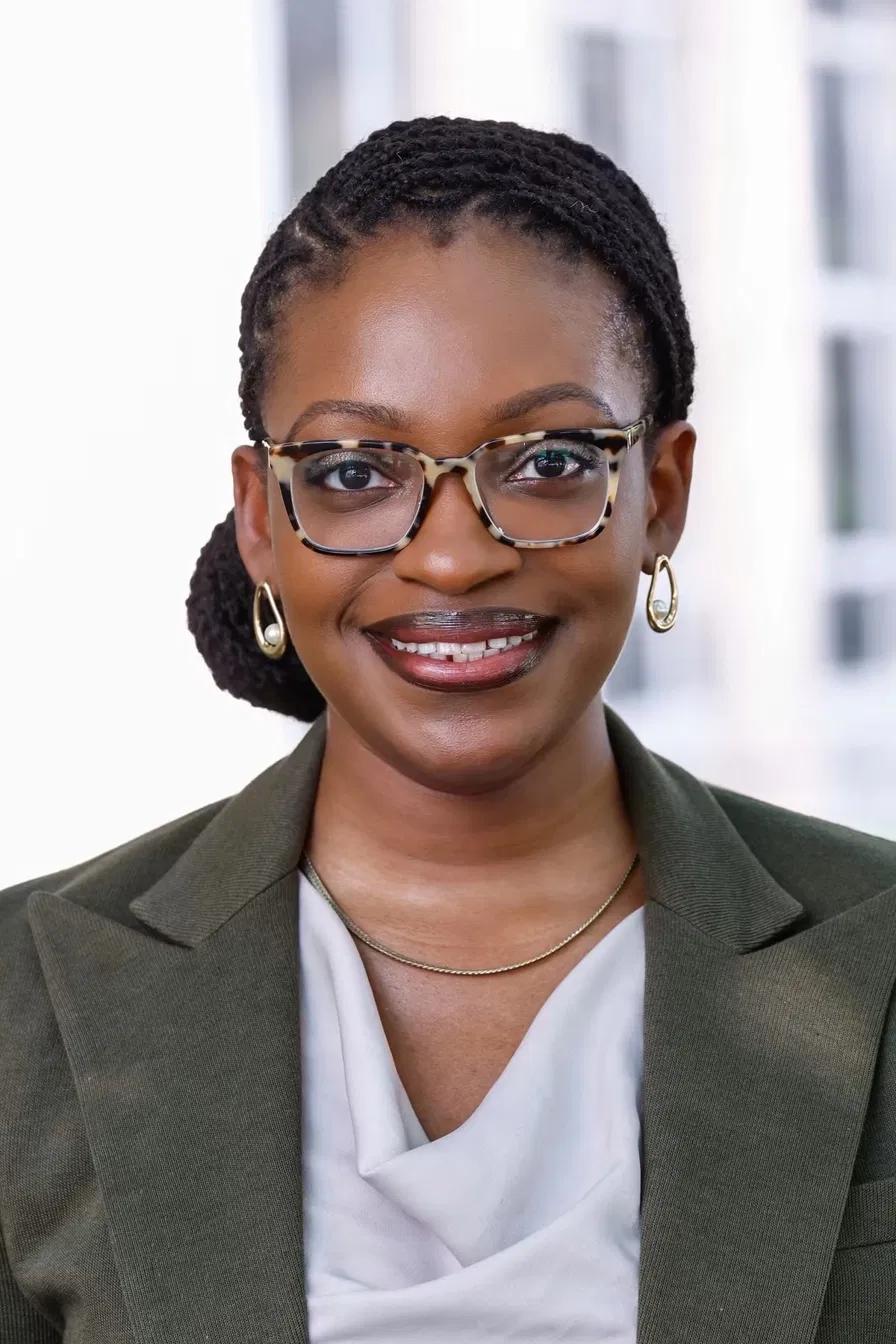
A Nigerian-American computer scientist who warned that AI could leave Africa behind now works inside a major development bank. Dr. Chinasa T. Okolo, named to TIME’s list of the 100 most influential people in AI, is a 2026 World Bank Group Africa Fellow.
Okolo studies how AI affects communities in the Global South. She has helped shape national and continental AI plans. Her fellowship puts her on a team that feeds the Bank’s flagship research. Her story is a useful guide for African students and founders who want to work where tech, policy and development meet.
Okolo was born and raised in Kansas City, Missouri, to parents who came to the United States from Nigeria. She studied at Pomona College in California. There, research with a professor of human-computer interaction showed her how bias can creep into AI. She then earned a master’s degree and a PhD in computer science at Cornell University, finishing in 2023. Her thesis looked at how people in the Global South understand AI. One news report calls her the first Nigerian to defend a computer science PhD at Cornell. She also interned at Microsoft and Apple.
Here is her path in brief.
| Year | Milestone |
|---|---|
| 2023. | Finishes her PhD in computer science at Cornell. |
| 2024. | Named to the TIME100 AI list, one of 23 “Thinkers.” |
| 2024. | Brookings Institution fellow, working on human-centred AI in the Global South. |
| 2025. | Named to the first Forbes 30 Under 30 list for AI. |
| 2026. | Joins the World Bank Group as an Africa Fellow. |
TIME’s 2024 list was its second edition of TIME100 AI. In its profile, TIME noted that much of AI is built in Silicon Valley, and that communities in the Global South risk being left behind, harmed by biased systems or used for their data. It said Okolo works on those risks through policy advocacy, public speaking and research. Her research looks at how African governments can govern AI well, how AI changes the work of people who label data, and how data collection can push some groups to the margins.
Her policy work is wide. She was a drafting member of Nigeria’s National AI Strategy. She was a consulting expert on the African Union’s Continental AI Strategy. It helps member states prepare for responsible AI. She calls it one of her proudest achievements. She also contributed to a global report on the safety of advanced AI, led by Yoshua Bengio. She is editor-in-chief of a journal on computing and society. She sits on a working group on algorithmic bias. Her biography also names her as founder and scientific director of Technecultura.
In 2026, she joined the World Bank Group’s Development Economics Research Group as an Africa Fellow. The programme places young African scholars at the centre of the Bank’s work on issues such as inclusive growth and development. Okolo is contributing to the World Development Report and building AI models meant to address real challenges for communities. “Immensely honored to have been selected as a 2026 World Bank Group Africa Fellow,” she wrote in a post on X in March. She said the group had “tremendously expanded my skillset.”
Her message is hopeful, but not naive. She says she is optimistic that AI could help fuel growth. She says Africa has needed that for about half a century. She points to tools that can spot floods and track crop disease. She also warns that the race over AI could limit African countries’ freedom and “perpetuate neo-colonial practices.” She argues that AI is wrongly seen as the answer to every problem. Many tasks, she says, need only simpler tools. People must learn what AI cannot do. AI and data skills will matter more as these tools spread.
Why it matters: African countries are writing their first AI rules while most advanced AI is built elsewhere. People like Okolo, who understand both the technical side and the policy side, are rare and badly needed. Her path shows that African talent can shape the rules, not just follow them. For founders, her warnings are practical. Build with local data and local users in mind. Be honest about what your AI can and cannot do. Think hard about the workers who label data and the people whose data you use. Investors and regulators are starting to ask those questions.
What to watch next: the World Development Report she is contributing to, and what it says about AI and development. Watch how the African Union’s AI strategy turns into national laws and funding. And watch whether more African researchers get seats in the rooms where global AI rules are written.
Sources: BusinessDay on Okolo and the TIME100 AI list; Cornell Bowers College on Okolo’s TIME100 AI recognition; BellaNaija on her 2026 World Bank Group Africa Fellowship; Wikipedia on Chinasa T. Okolo; Pomona College on her TIME100 AI listing. Image credit: chinasatokolo.com.
A note for startup founders: Don’t practice on investors. Practice on AI first. RaiseReady by Index Prima is an AI fundraising simulator for African founders: upload your pitch deck, get a readiness score and face a tough AI investor before the real meeting. Find this post, and every post we publish, at raiseready.indexprima.com.