
Beyond Lagos: Why Abia State’s ₦2 Billion Startup Fund is a Litmus Test for Regional Tech Decentralization
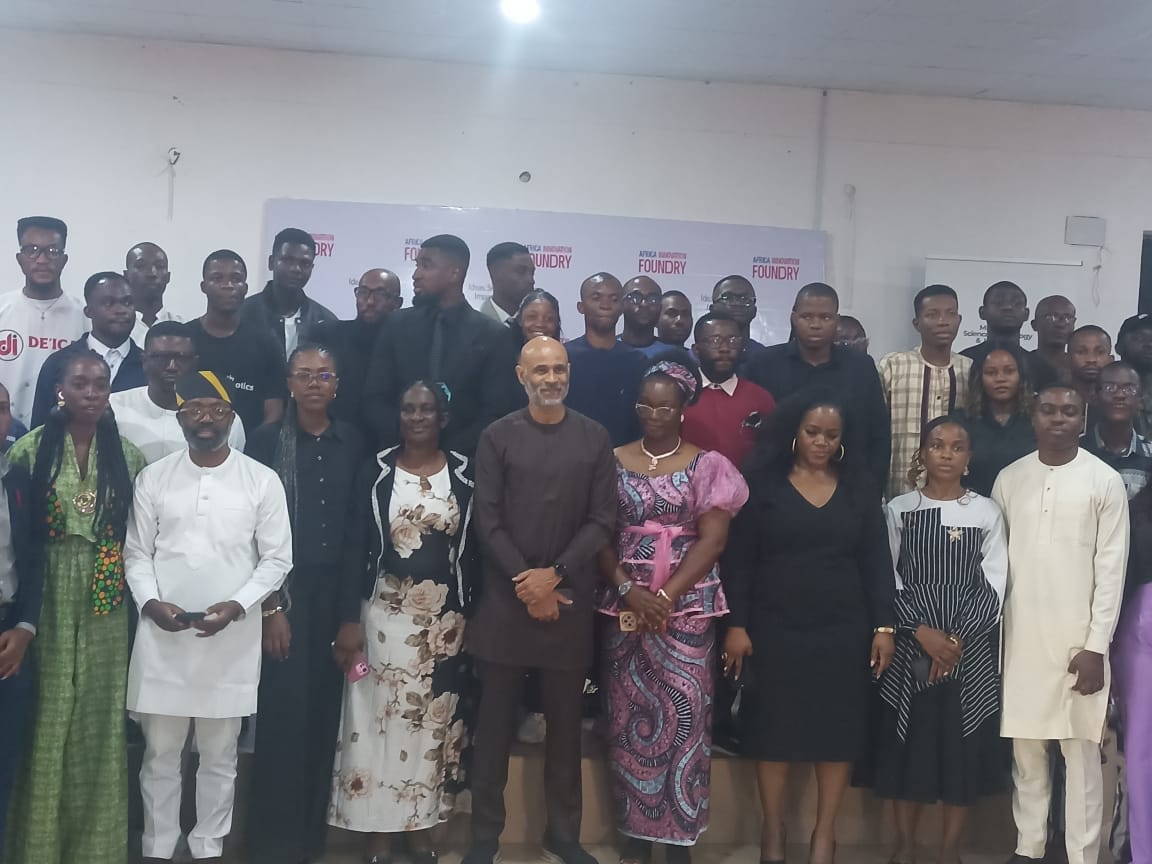
For the past decade, the story of Nigerian tech has been almost exclusively a Lagos story. The coastal megacity has swallowed the lion’s share of venture capital, tech talent, and regulatory attention. However, true national economic resilience cannot rely on a single geographical hub.
Governor Alex Otti’s signing of the Abia State Startup Law 2025 alongside a ₦2 billion seed allocation represents a major shift. By becoming the first state in both the South-East and South-South geopolitical zones to domesticate the National Startup Act, Abia is not just copying a federal framework—it is positioning itself as a primary testing ground for regional digital transformation.
Contextualizing the Capital: How Abia Compares
To understand the weight of this ₦2 billion commitment, it must be weighed against the existing tiers of public and institutional startup funding within Nigeria:
| Funding Vehicle | Capital Pooled / Disbursed | Target Model & Strategy | Operational Level |
| Abia State Startup Fund | ₦2 Billion | Direct early-stage equity, grants, and operational runways for localized tech. | State-Level (Direct) |
| Lagos State (LASRIC) | ₦1 Billion (Initial Seed) | Funding research, science, and early innovation infrastructure. | State-Level (Direct) |
| Development Bank of Nigeria (DBN) | ₦1 Trillion+ (Cumulative) | Wholesale financing channeled through commercial financial intermediaries. | Federal-Level (Wholesale) |
The Strategy: Unlocking the “Manu-Tech” Moat
If Abia attempts to build another ecosystem focused purely on consumer fintech, it will struggle against the established gravity of Lagos. Instead, the state’s true competitive advantage lies in industrial integration.
Aba is already the manufacturing, textile, and leatherwork heartbeat of West Africa. The real strategic victory for Abia’s tech ecosystem lies in converting this raw, informal industrial capacity into automated, software-driven enterprises. By backing initiatives like the Manu-Tech Innovation Hub at the Michael Okpara University of Agriculture, Umuahia (MOUAU), the state is intentionally anchoring digital tools to physical production.
The Blueprint: Executing the Localized Startup Act
Enacting a law is simple; engineering a functional ecosystem out of it is where most regional governments stumble. Abia’s framework outlines a clear sequence to translate policy into operational momentum:
The Bottlenecks Facing the Vumuahia-Aba Corridor
Skeptics and institutional LPs will naturally look at this initiative with a sober eye. A ₦2 billion fund, while historic for a regional state government, is modest compared to international private capital flows. For this policy to yield systemic returns, the administration must aggressively tackle three immediate operational bottlenecks:
-
The Talent Drainage Problem: Training 150,000 talents is meaningless if, upon graduation, every engineer boards a bus to Lagos or books a flight out of the country. Abia must create economic incentives and a high quality of life that convinces builders to stay.
-
Infrastructure Deficits: Software cannot run without steady power and fiber-optic connectivity. Capital allocations must go hand-in-hand with hardware investments in basic utility infrastructure across Umuahia and Aba.
-
Governance and Bureaucracy: If accessing the ₦2 billion fund requires navigating months of standard civil-service red tape, fast-moving startups will ignore it. The Startup Administration Board must operate at the speed of product development, not politics.
The Bottom Line: Abia State has successfully bought its nascent tech ecosystem a critical window of opportunity. By aligning state policy with industrial heritage, they are setting a precedent for how the rest of Nigeria’s 36 states can localize national frameworks to create distinct, specialized economic engines.