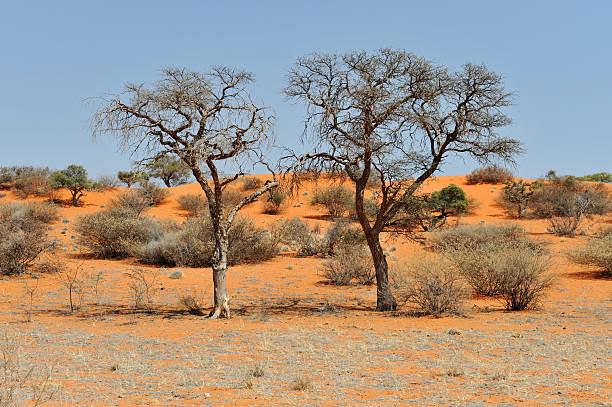
A tree-choked field is bad for a farmer, and in Namibia it is a national problem. Now a Swiss startup says it can get paid for clearing it. Tivano, a climate tech company in Zurich, has won a CHF 500,000 grant, reported as $606,100. It comes from REPIC, a Swiss programme that backs technology transfer to developing countries. The money will help Tivano grow its carbon removal and land restoration work in Namibia.
The problem is bush encroachment. Namibia’s environment minister, Pohamba Shifeta, has put the affected area at about 45 million hectares of grassland and savanna. Thorny shrubs crowd out grass, drain soil moisture and push out wildlife. That hurts the many Namibians who earn a living from the savanna. Land managers often clear the bush by burning or poisoning it, which sends carbon dioxide back into the air.
Tivano takes another route. The company says it cuts the bush, dries it and buries it in underground vaults with no oxygen, so it cannot rot. Sensors watch the stores day and night. The carbon stays locked away, while the cleared land recovers and native grasses return. The idea is that carbon credits pay for the restoration, so it does not rely on donations.
Early results are real, and you can check them. Tivano’s pilot, called Dragonfly, sits near Otjiwarongo. Biochar Today calls it the largest biomass storage operation of its kind in Africa. The Puro.earth registry lists 1,049 removal credits issued on 30 March 2026, with a durability of at least 100 years. One credit has been retired so far. The company says the project has restored over 120 hectares and removed more than 1,000 tonnes of carbon dioxide. Biochar Today also reports 15 new local jobs and better groundwater. Those are company claims that we could not confirm.
Next comes the harder part. Tivano plans to grow Dragonfly from a pilot into a full commercial operation. It will also launch Project Butterfly, a larger effort across the wider savanna. The company has also joined UPortunity, an ETH Zurich accelerator sponsored by UBS, according to Innovation Village.
Why does this matter for African founders and investors? Three points stand out.
First, a problem can be a business. Namibia’s bush is a huge supply of raw material, and demand for lasting carbon removal is growing. Turning a cost into a product is a model worth studying.
Second, the credits are the real test. A grant this size buys time and proof. Scale depends on buyers paying enough to cover cutting, drying, transport and storage. Tivano has not shared its prices or buyers, so we cannot judge the economics.
Third, watch who benefits locally. The company points to jobs through local operators. As the project grows, communities will want to know how many jobs, at what pay, and who owns the land and the credits.
Some caution is needed. We could not find REPIC’s own announcement, so the grant amount comes from the Innovation Village report. We also could not confirm that Tivano was founded in 2024, or who founded it. The Puro.earth registry and Biochar Today confirm the credits and the project. The grant, the jobs and the water results rest on the company’s account. Tivano is based in Switzerland and works in Namibia. Local partnerships and benefit sharing are fair questions to keep asking.
Sources: Innovation Village on Tivano’s REPIC grant; Puro Registry, Dragonfly project 846201; Biochar Today on Tivano’s first removal certificates; New Era on Namibia’s 45 million hectares of bush.
A note for startup founders: Don’t practice on investors. Practice on AI first. RaiseReady by Index Prima is an AI fundraising simulator for African founders: upload your pitch deck, get a readiness score and face a tough AI investor before the real meeting. Find this post, and every post we publish, at raiseready.indexprima.com.