At least six African countries will leave Doha without a seat. Nineteen are running for 13 places on the ITU Council. The ITU is the UN body that shapes global rules for spectrum, satellites and telecoms.
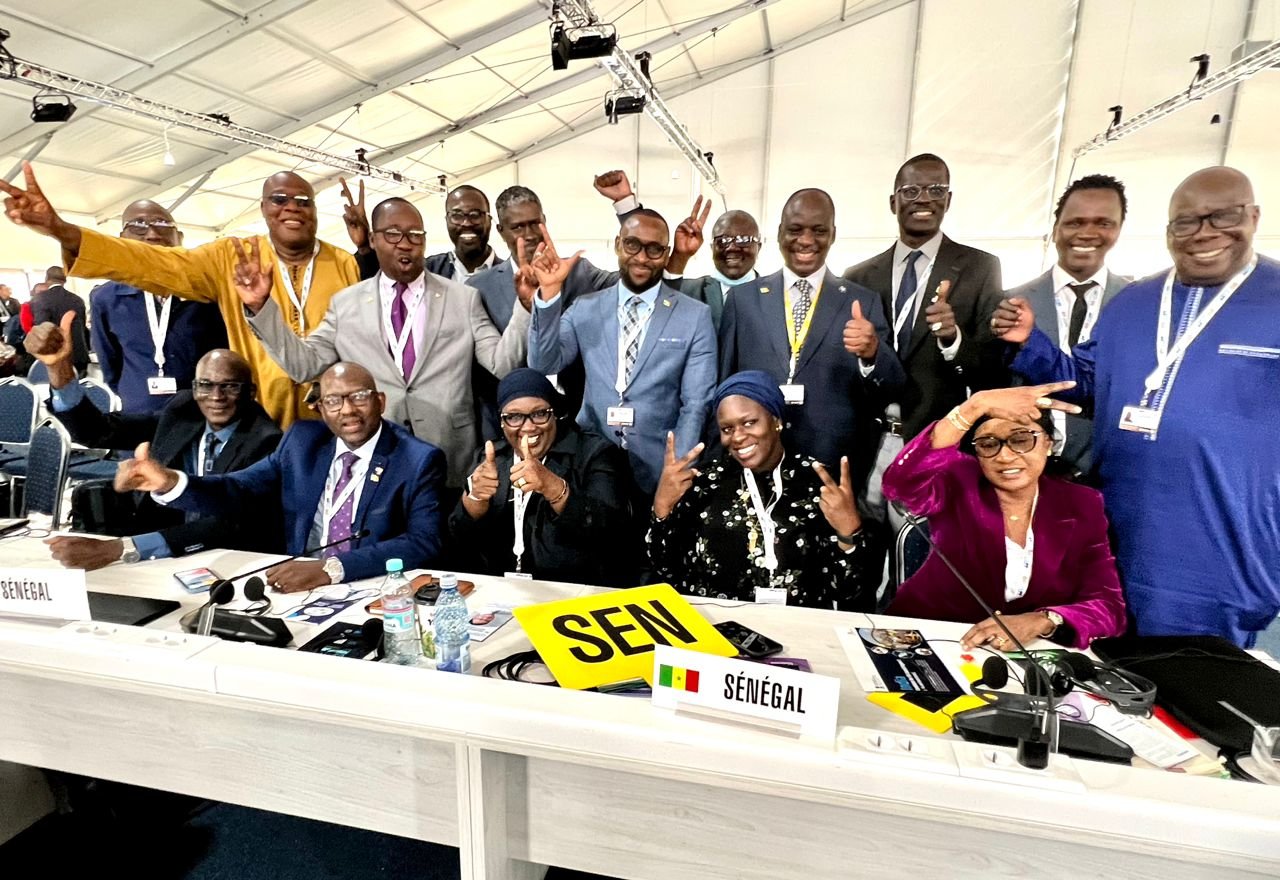
From 9 to 27 November 2026, the ITU Plenipotentiary Conference (PP-26) meets in Doha, Qatar. Delegates from 194 Member States will elect a new 48-seat Council for 2027 to 2030. Africa holds 13 of those seats. The ITU’s official list shows 19 African countries standing. All 13 current African members want to stay, and six challengers want in. Africa also has a head-to-head race for the ITU’s development bureau. Four candidates are chasing three places on the Radio Regulations Board.
Start with what the Council does. It governs the ITU between big conferences. A seat belongs to a country, not to a person. That is why ministers and regulators lead the campaigns. Every Member State gets one vote. To vote, a state must be up to date on its payments and carry proper credentials. In the Council election, the countries with the most votes in each region win, up to that region’s number of seats. Elections open on 12 November with the Secretary-General, and the new leaders take office on 1 January 2027.
The list of African candidates is long. All 13 current members are on the ballot again. Six newcomers are challenging them. The table below names them all. There are only 13 seats, so at least six of the 19 will miss out. A challenger can win only if a sitting member falls short.
| Group | Countries | Count |
|---|---|---|
| Current members seeking re-election | Algeria, Egypt, Ghana, Kenya, Mauritius, Morocco, Nigeria, Rwanda, Senegal, South Africa, Tanzania, Tunisia, Uganda | 13 |
| New challengers | Cabo Verde, Côte d’Ivoire, DRC, Gabon, Libya, Mali | 6 |
| Seats available for Africa | 13 |
Incumbents do not take it for granted. Uganda’s regulator says the country has served on the Council since 2014. It points to its work on the ITU’s strategic plan. It also hosted the Global Symposium for Regulators in 2024. Rwanda presented its bid at a Geneva reception. The ITU Secretary-General attended. Rwanda says its fibre network runs for more than 21,800 kilometres. Technext reports that Rwanda is campaigning for a fifth straight term, after serving since 2010. Côte d’Ivoire, a challenger, has been meeting other African delegations. They include Nigeria’s minister and officials from Zimbabwe and Uganda.
Now to the people leading the campaigns. Here is how Technext’s list of seven lead officials compares.
| Country | Lead official | Signature pitch |
|---|---|---|
| Nigeria | Bosun Tijani, communications minister | Talent and fibre: a 3 million tech talent plan and Project BRIDGE, aiming for 90,000 km of fibre |
| Ghana | Samuel Nartey George, communications minister | Digital sovereignty and data kept on African soil |
| South Africa | Solly Malatsi, communications minister | Faster spectrum auctions and wider broadband |
| Rwanda | Paula Ingabire, ICT minister | Kigali Innovation City and Smart Africa |
| Kenya | William Kabogo Gitau, ICT Cabinet Secretary | A national AI policy and digital public services |
| Egypt | Raafat Hindy, communications minister | Digital government services and local electronics |
| Algeria | Sid Ali Zerrouki, telecoms minister | Fibre, 5G and public digital systems |
A few of these pitches have fresh numbers behind them. In February 2026, Nigeria announced new money for Project BRIDGE. The World Bank Group had secured $500 million. The EBRD had approved $100 million. The EU offered a €22 million grant. Tijani called the approvals “deeply reassuring.” Egypt’s Hindy took office as minister in early 2026. Technext also reports that Ghana’s George wants cloud data kept inside Africa and backs regional payment systems. It says Algeria’s Zerrouki is arguing for a global AI equity agency.
The sharpest contest is not for the Council. It is for the head of the Telecommunication Development Bureau (BDT), which steers ITU support to developing countries. Only two candidates remain: Dr Cosmas Zavazava of Zimbabwe and Nele Leosk of Estonia. Technext describes Zavazava as running for the post. The ITU’s own results show he already holds it. Delegates elected him on 30 September 2022 in the third round, with 101 votes to 63 for Stephen Bereaux of the Bahamas.
| Cosmas Zavazava | Nele Leosk | |
|---|---|---|
| Country and region | Zimbabwe, Africa (Region D) | Estonia, Western Europe (Region B) |
| Status | Current BDT Director, elected in 2022 | Challenger |
| Pitch | Seeking another term | From connecting countries to results people can measure: skills, digital ID, data and AI support |
| What decides it | More than half of delegations present | The same |
The last row is the key point. A BDT race is not decided by Africa alone. The winner needs more than half of the delegations present, which means votes from every region. Leosk argues that connectivity must lead to better public services, jobs and growth. She also promises help for countries that want to use AI and other new tools. She wants a stronger link between the BDT and the ITU’s regional offices. Zavazava can point to his time in office and to a clear win in 2022.
The third race is for the Radio Regulations Board (RRB). It has 12 members, with three seats for Africa. Four African candidates are competing: Dr Mohamed El-Moghazi of Egypt, Edmund Yirenkyi Fianko of Ghana, Basebi Mosinyi of Botswana and Sana Zairi of Morocco. Technext says the Board settles satellite orbit and spectrum disputes. Egypt, Ghana and Morocco also have Council bids, so those countries have more than one place to win or lose. Botswana has only the RRB candidate.
| Race | Africa’s seats or post | African contenders |
|---|---|---|
| ITU Council | 13 seats | 19 countries |
| Radio Regulations Board | 3 seats | 4 candidates |
| BDT Director | 1 post | 1 African candidate, against 1 from Europe |
So who has the edge? Incumbents are known to voters, and 13 of the 19 bids come from sitting members. Still, no seat is guaranteed. Regional groups matter too. Côte d’Ivoire and Senegal, for example, are working through the African Telecommunications Union (ATU) to defend French-speaking voices, says Technext. How countries vote in Doha will decide the outcome, and it is too early to say which six will miss out.
Why it matters: ITU decisions shape how satellites are slotted into orbit, how spectrum is shared and how standards are set. Those choices affect the cost and reach of connectivity across Africa. Strong African voices on these bodies help put Africa’s needs on the global agenda. These include connectivity, the digital divide and the usage gap. It also gives African startups a stake in rules they must live by.
What to watch next: the opening of elections on 12 November and the Council results. Also watch whether Zavazava wins a second term, which three RRB candidates make it, and which African countries come away without a seat.
Sources: Technext, “ITU council: Bosun Tijani, Samuel Nartey George and other African candidates to watch”; ITU PP-26 candidates list; ITU’s election process explained; ITU Council Member States, 2026 session; ITU results of the 2022 BDT Director election; Nele Leosk’s candidacy, Estonian Ministry of Foreign Affairs; Uganda Communications Commission on its ITU Council bid; Into Rwanda on Rwanda’s bid; Tech Review Africa on Côte d’Ivoire’s bid; Nigeria’s communications ministry on Project BRIDGE funding; Egypt’s TRA on Minister Hendy.
A note for startup founders: Don’t practice on investors. Practice on AI first. RaiseReady by Index Prima is an AI fundraising simulator for African founders: upload your pitch deck, get a readiness score and face a tough AI investor before the real meeting. Find this post, and every post we publish, at raiseready.indexprima.com.