Hackers now use AI to find weak spots in minutes. Nigeria’s telecom regulator says the risk goes far beyond phone networks. One hit on a telecom firm could shake banks, payments and government services.
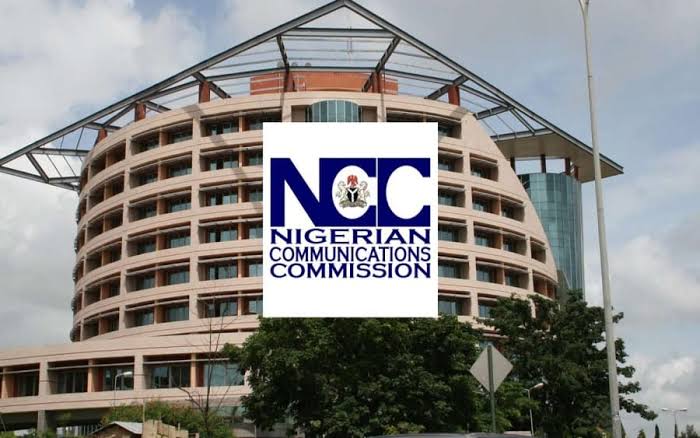
The Nigerian Communications Commission (NCC) has warned that AI-powered attacks are a growing threat to Nigeria’s critical national systems (CNII). NCC chief Dr. Aminu Maida said attackers use AI tools to find flaws, dodge old defences and strike fast. He urged telcos to buy AI-driven defences, train staff and build backup systems. The Ministry of Justice also confirmed a review of Nigeria’s cybercrime laws.
Dr. Maida spoke at the close of the 2nd International Cybersecurity Conference in Abuja. The NCC ran it with the ITU, the IT agency NITDA and the Central Bank of Nigeria (CBN). Its theme was “Cyber Resilience in the Age of AI: Defending Minds, Networks, and Nation.”
His main point was simple. Old defences cannot keep up with AI-aided attacks. These can spot weak design and launch tailored phishing in seconds. Telecoms sit at the heart of the problem. “An attack on a telecom provider is an attack on the financial sector, national defence, and civil governance,” he said. A breach could cut off bank networks, payment gateways, government portals and emergency supply chains.
That is why telecom assets hold special status. The federal government has classed them as CNII. A 2024 order by the President also covers ICT systems in banking, power, health and defence. For the NCC, a safe network is now a pillar of national defence, not just a tech task.
The NCC named three steps it is taking. Its incident response team (CSIRT) tracks new threats and handles reports from licensed telcos. Its Cyber Resilience Framework sets rules for sharing threat news, live network checks and backups. It is also growing joint work with NITDA, the CBN and defence agencies. The framework came out earlier this year. Reports then said it starts in February 2027. Telcos will have four hours to report an attack.
Next comes the law. Rotimi Oyedepo, the Director of Public Prosecutions, spoke for Attorney General Lateef Fagbemi. He said the ministry is reviewing Nigeria’s cybercrime laws. One aim is to define autonomous cyber weapons. Another is to make AI-aided ID theft and deepfake fraud crimes. A third is to give police stronger powers over crimes that cross borders. Speakers from NITDA and partners added that digital growth needs equal spending on trust and safety.
The conference ended with a joint call to action from the NCC, CBN and ITU.
| Focus area | What they called for |
|---|---|
| Guard systems | Multi-factor login, zero-trust design, AI threat checks. |
| Skills | Train staff to stop machine-learning attacks. |
| Teamwork | Shared threat reports across banks, telcos and security units. |
| Public alerts | Campaigns on AI fraud, deepfakes and phishing. |
Why it matters: Nigeria’s economy runs on mobile networks. Fintechs, online shops and many startups rely on them. If AI makes attacks faster and cheaper, every firm that holds customer data or moves money shares the risk. Safety is now part of earning trust with users, banks and investors. Firms with strong basics, such as multi-factor login and a tested backup plan, will stand out.
What to watch next: how soon the cybercrime review becomes a bill. Also watch how telcos prepare for the February 2027 start, and whether banks and telcos agree to share threat data.
Sources: Report on the NCC’s remarks at the 2nd International Cybersecurity Conference, 28 October 2026; BusinessDay on the NCC’s four-hour cyberattack reporting rule; Mondaq on the 2024 CNII designation order.
A note for startup founders: Don’t practice on investors. Practice on AI first. RaiseReady by Index Prima is an AI fundraising simulator for African founders: upload your pitch deck, get a readiness score and face a tough AI investor before the real meeting. Find this post, and every post we publish, at raiseready.indexprima.com.