Kenya wants every payment company to play by one new rulebook. A draft law would raise capital floors, force systems to connect and give the central bank sharper powers.
The draft National Payment System Bill, 2026, comes from the Central Bank of Kenya (CBK) and the National Treasury. It creates about ten licence types, with minimum capital from KSh5 million to KSh250 million. It also pushes providers to share customer data and connect with rivals, and it lets the CBK step in when firms fall short. Existing firms would get 12 months to comply once the bill becomes law.
Start with capital. The lowest floor, KSh5 million, covers payment initiation and account information services. The highest, KSh250 million, applies to electronic money issuers, the group that includes big mobile money platforms. A firm with more than one licence must hold the highest floor plus half of the capital for each extra category. Bowmans, a law firm that reviewed the draft, adds that the bill does not treat current licences as valid. Some holders may need to reapply under the new categories.
The draft also opens the door to open finance. Two new licence types would let outside firms work with bank and wallet data. Payment initiation providers can make payments for a customer. Account information providers can pull accounts into one view. Neither holds customer money. Banks, mobile money firms and other providers would have to build systems that share data securely, but only with the customer’s consent. Separate rules would later say what data can move, on what terms and at what cost.
Interoperability is the second big shift. The CBK could order providers to connect their systems with competitors, and the draft policy floats a national instant payment switch. The goal is simpler payments across services. M-Pesa shows what is at stake. It processed more than 61 million transactions a day and served over 50 million active users in Kenya in 2024. When rivals can connect, a big network matters less. Value may shift to design, embedded services and better products.
| What changes | What the draft says |
|---|---|
| Licences | About 10 categories |
| Capital floor | KSh5 million to KSh250 million |
| Several licences | Top floor plus 50% of each extra |
| Time to comply | 12 months after the law starts |
| Investor approval | CBK sign-off for stakes of 10% or more |
| Fines | Up to KSh20 million, then KSh30 million |
Investors should read the ownership rule closely. Anyone buying 10% or more of a licensed provider would need prior written CBK approval. Kenyan Wall Street reports that the 2014 rules set a 5% trigger for unlisted providers. Either way, approval could add weeks to a funding round, which raises the stakes for founders planning one.
The CBK would also get stronger tools. Under the draft it could inspect premises without notice, step into management and remove officers. It could take statutory control of a firm for up to 12 months, and a court could extend that. Fines reach KSh20 million for a firm, rising to KSh30 million for repeat breaches, plus up to KSh100,000 a day while a breach goes on. Officers face fines of up to KSh3 million, rising to KSh5 million. The bill also gives the CBK a legal basis for a regulatory sandbox, where firms can test new services without a full licence.
Critics will ask who can afford this. Small fintechs may struggle with higher capital floors, heavy fines and compliance costs. Formal open finance rules also replace the data sharing that already happens through M-Pesa APIs and bank-fintech deals. Supporters answer that clear standards make integrations faster. Startups could then spend less on rebuilding core banking tools and more on user experience and niche problems.
Kenya is not alone in tightening its payments rules. Ethiopia has opened its payments market to foreign investors with a 100 million birr entry capital and a wallet-to-wallet connection rule. Tanzania asks e-money issuers for at least TZS 2 billion in paid-up capital and requires customer funds to sit in trust with a licensed bank.
Why it matters: Kenya is Africa’s mobile money capital, so rules written here often become a template for others. The draft tests a tough question. Can a country demand more capital, tighter control and open access, and still keep fintech startups growing? The answer will shape who competes in Kenyan payments, and how investors price the risk.
What to watch next: how the CBK and Treasury respond to the comments gathered during the consultation, which closed on 9 October. Also watch whether capital floors or fines change, when the bill goes to Parliament, and how the 12-month window is set. Founders and investors should check their capital and API readiness now.
Sources: Kenyan Wall Street report on the draft bill; Bowmans on the National Payment System Bill, 2026; Techweez on the draft bill; Central Bank of Kenya public notice on the draft bill and policy.
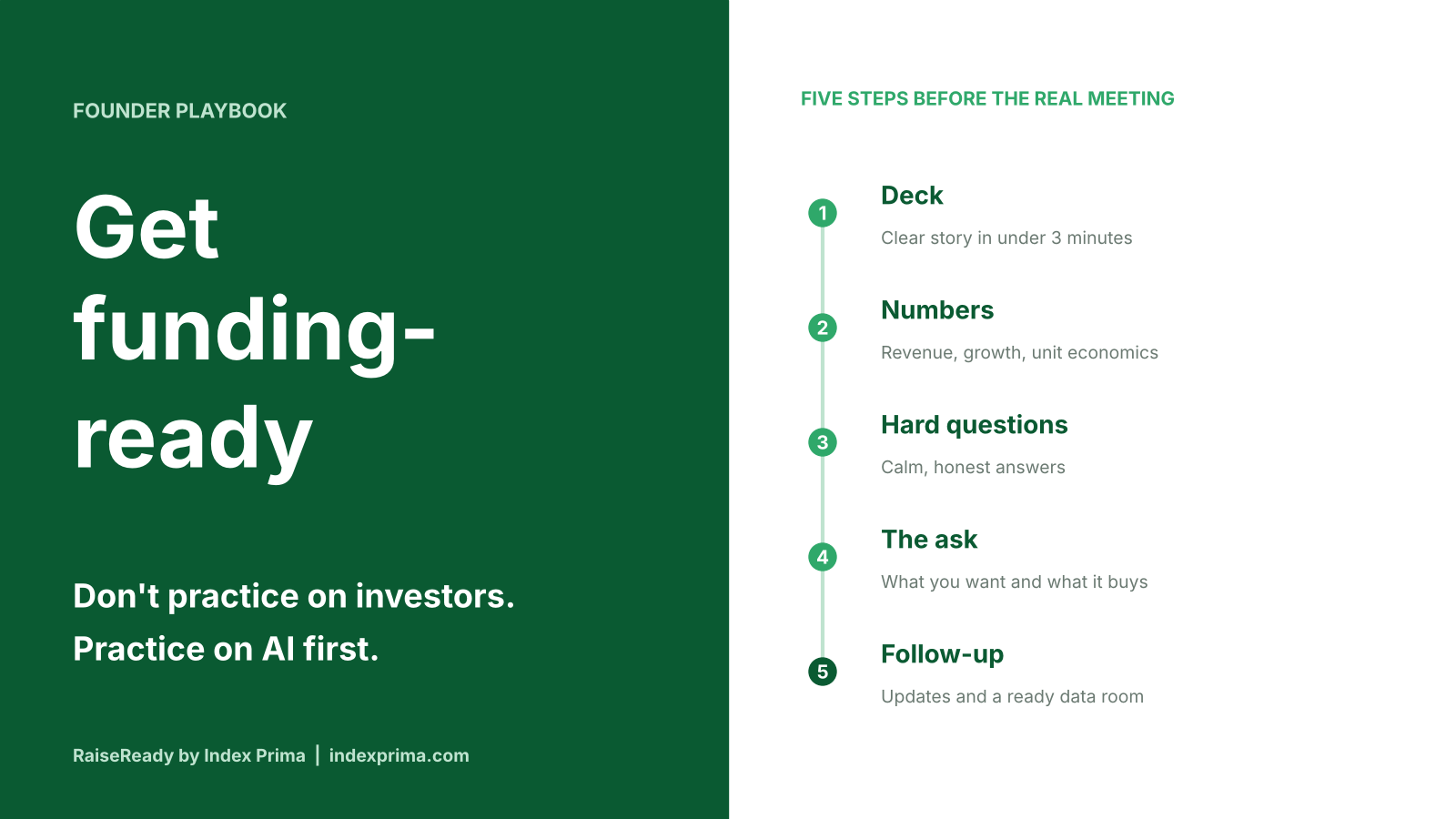
A note for startup founders: Don’t practice on investors. Practice on AI first. RaiseReady by Index Prima is an AI fundraising simulator for African founders: upload your pitch deck, get a readiness score and face a tough AI investor before the real meeting. Find this post, and every post we publish, at raiseready.indexprima.com.