A climate startup backed by UK money has lost one site to a suspension and another to a fire. It all happened in one October week. The story shows how fast local anger can stall a green project.
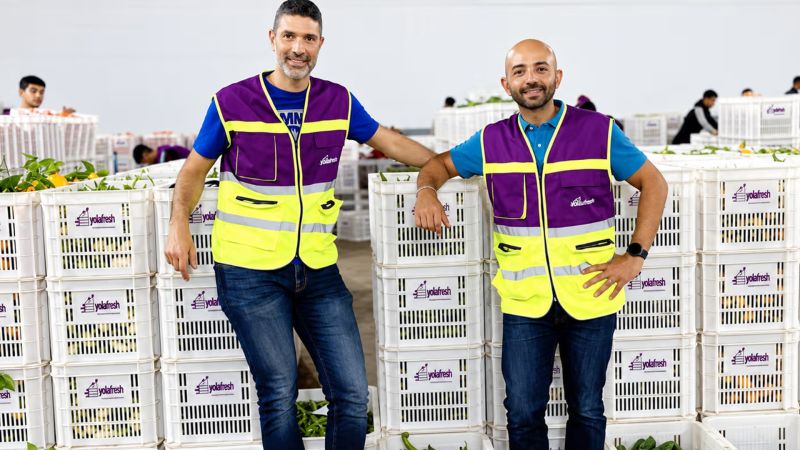
nextProtein is a Franco-Tunisian firm. It turns organic waste into animal feed using black soldier fly larvae. It now faces the worst crisis of its decade. Reports say officials suspended its first plant in Grombalia on 16 October. On the night of 21 October, a fire destroyed its second site in Menzel Bouzelfa, which was still being fitted out. A local man also died in a road accident near that site the same evening. The cause of the fire is not known, and an inquiry is open.
Tunisian founders Mohamed Gastli and Syrine Chaalala started the company in 2015. It is based in Paris and Tunis. In November 2025 it raised €18 million in equity, about $20.7 million, plus €4 million in debt. Swen Capital’s Blue Ocean Fund and British International Investment (BII), the UK’s development bank, co-led the equity. It was BII’s first direct deal in Tunisia. The money was meant to build a second, larger plant. It was designed to make 12,000 tons of insect-based ingredients a year. BII has called the project a climate fix. Insect protein can ease the strain on fish stocks and soy farms.
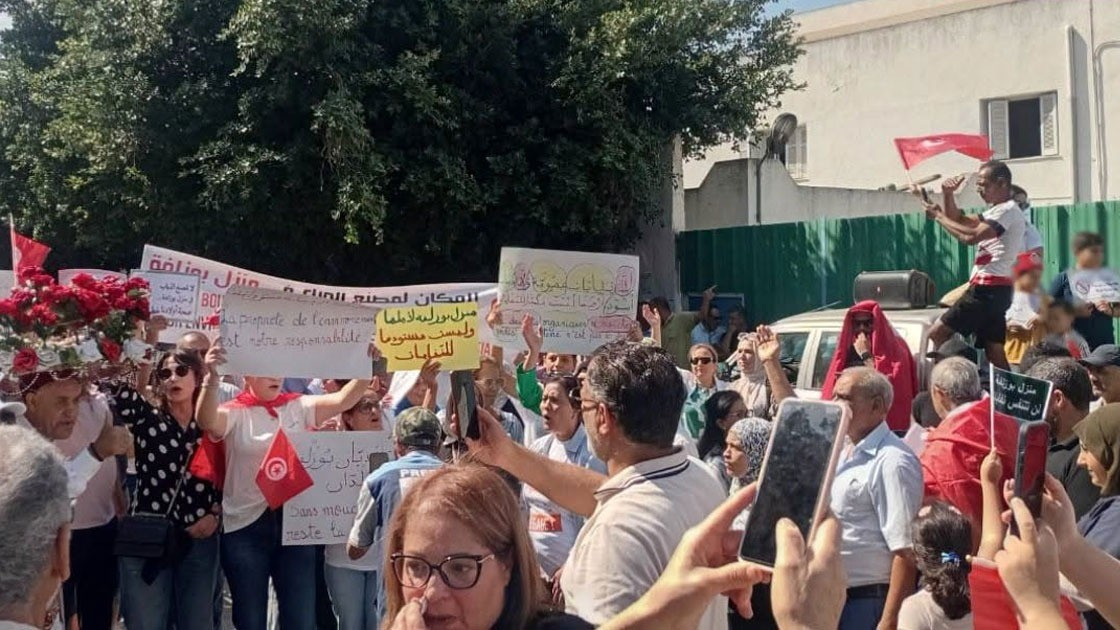
Residents saw it differently. Protests grew through early October against a plant near homes, a hospital and a school. The Tunisian Forum for Economic and Social Rights (FTDES) warned of risks to health and the environment. It pointed to bad smells, pollutants and the chance of harm to the water table in a farming region. The forum also asked if the project was classed correctly. A firm registered to make animal feed, it said, may have won its permits as a waste recovery unit. An academic quoted by Business News warned of harm to soil, water and citrus orchards. The same report added that claims of harm need proper proof.
| Date | What was reported |
|---|---|
| Early October | Residents and farmers protest the Menzel Bouzelfa project. |
| 16 October | Reports say the Nabeul governor withdrew the authorisation. |
| 21 October, morning | About 60 Grombalia workers protest in Nabeul. |
| 21 October, evening | A man dies in a road accident near the site. |
| Night of 21 to 22 October | A fire destroys the Menzel Bouzelfa plant. |
The suspension is where the facts get murky. One report says the governor issued a decree on 16 October. It would suspend Grombalia and revoke its licence. The same day, Business News said it had no official word on this. A lawyer for residents wanted to see a written order. A local deputy later said closure decisions had been taken for both plants but not carried out. nextProtein says the decision came with no warning, and it has appealed in court. It says its licence was lawfully granted. It also says its Grombalia pilot unit has been kind to the environment for six years. About 60 of its 70 workers there protested at the governorate to defend their jobs.
The death at Menzel Bouzelfa has drawn the sharpest competing claims. Webdo cited local radio and an official. It reported that a goods vehicle struck a man in front of the plant. It said the vehicle carried chairs for a reception that managers had planned to mark the start of work. Protesters say the vehicle was leaving a company event. nextProtein has offered its condolences. It says the accident took place on the public road, outside its site. It has denounced what it calls false news. The deputy told Jawhara FM there was no clear link between the fire and the accident. Webdo reported that residents then set fire to the factory. That is an early account from a single source. Business News said investigators must decide the cause. The public prosecutor has reportedly opened an inquiry and ordered an autopsy.
Both sides have used strong words. The company says it faces a campaign of “inexact, slanderous and defamatory allegations” and plans legal action. Opponents say officials were silent for too long, which left rumours to spread. The deputy argued that faster action could have eased tensions. She also said Tunisia’s Environmental Code is under review and that Parliament should look at the rules for insect-protein plants.
There is a wider debate over the money. A UK campaign group, Bryant Research, says British taxpayers should not back a “high-risk sector.” It calls the green claims for insect farming “deeply questionable.” It wants the government to block the deal. That is the group’s view, as reported in the story behind this post.
The sector itself is fragile. French insect farm Ÿnsect had raised more than $500 million. A court put it into liquidation in December 2025 after it failed to secure more funding. South Africa’s Inseco closed in 2025 and sold its assets. Its co-founder blamed months of four-hour power cuts, lost customers and his own team’s mistakes. Outside insects, Kenya’s Koko Networks shut down on 31 January 2026. The government had declined to approve the carbon credit sales it needed. The World Bank’s MIGA had backed it with a guarantee of about $180 million. These cases differ, and only some involved politics. Still, they share one lesson. Projects that rely on a permit or a government decision can face sudden risk.
Why it matters: Climate finance often flows to places with weak local trust and unclear rules. When neighbours feel unheard, projects can stall even if they pass paper checks. Officials, the company and investors each face questions here. Did the permits fit the activity? Was the community asked early? Who speaks when a crisis starts? For African founders and funders, the lesson is plain. Local consent, clear permits and honest talk are part of the business plan, not extras.
What to watch next: the findings of the inquiry into the fire and the accident. Also watch the court ruling on nextProtein’s appeal and a written, official decision on the licences. See how BII and other investors respond, and whether Tunisia changes its rules for insect-protein plants.
Sources: Launch Base Africa, “Arson and License Revocations: UK-Backed Climate Startup nextProtein Faces Total Ruin in Tunisia,” 29 October 2026; Business News on the fire at Menzel Bouzelfa; Business News on the reported withdrawal of the authorisation; Webdo on the death and the fire; Réalités on the Grombalia workers’ protest; Launch Base Africa on nextProtein’s 2025 Series B; Ecofin Agency on Koko Networks; AgFunderNews on Ÿnsect’s liquidation; AgFunderNews on Inseco.
A note for startup founders: Don’t practice on investors. Practice on AI first. RaiseReady by Index Prima is an AI fundraising simulator for African founders: upload your pitch deck, get a readiness score and face a tough AI investor before the real meeting. Find this post, and every post we publish, at raiseready.indexprima.com.