How the HERIntelligence 2026 Annual Summit brought together over 150 people to explore the future of AI education for girls.
On Friday, 23 October 2026, the Banquet Hall at Government House, Little Rayfield, Jos, became a meeting point for conversations about technology, opportunity and the future of girls in the digital economy.
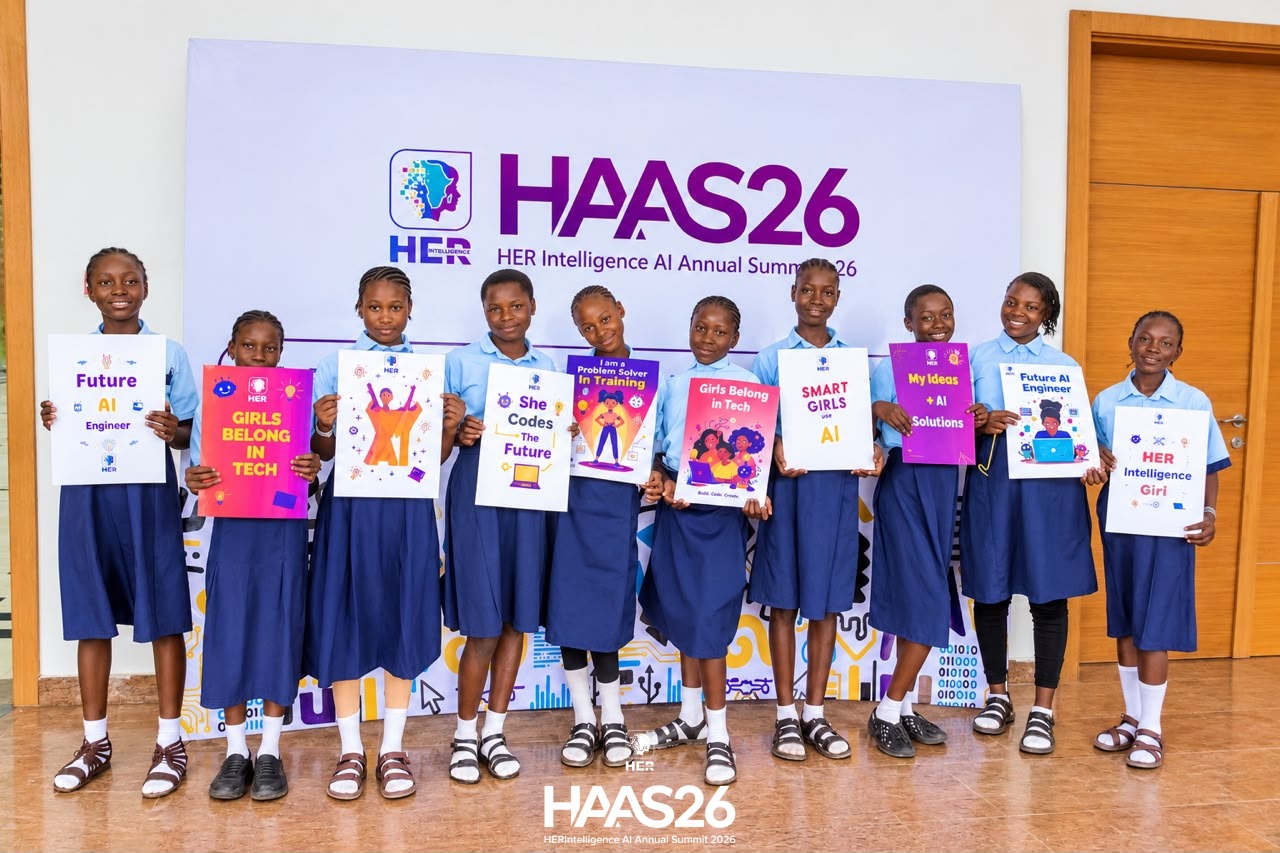
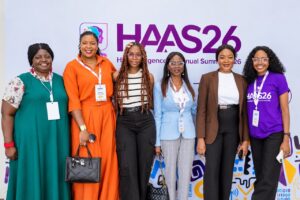
Over 150 people, including 50 students from two government secondary schools, gathered for the HERIntelligence 2026 Annual Summit, themed Her Future in AI: Equipping Girls for the Digital Economy.
The summit brought together students, educators, technology professionals, industry partners and other stakeholders for a day of learning, practical experiences and conversations about artificial intelligence and the opportunities it presents for girls and young women.
But beyond the presentations and conversations, the summit was built around a bigger idea: girls should not simply watch the future of technology unfold. They should have the opportunity to shape it.
Not Just Consumers. Builders.

During her opening address, HERIntelligence Founder, Loreta Tohomdet, challenged the students to rethink how they see themselves in a world increasingly shaped by technology.
She urged the girls to become builders of technology, not merely consumers of it.
It is easy to grow up surrounded by smartphones, social media, digital applications and AI-powered tools without ever imagining that one could be responsible for creating them. Yet, the future of technology should not be something girls simply watch unfold.
They should have the opportunity to understand how it works, question its limitations, experiment with its possibilities and develop solutions of their own.
That was the message at the heart of the summit. Girls should see themselves not only as users of technology but also as future developers, researchers, entrepreneurs, innovators and decision-makers.
For HERIntelligence, this is what meaningful participation in the digital economy looks like.
Learning by Doing: Bringing Technology to Life
One of the highlights of the summit was the opportunity for students to engage with technology through practical, hands-on experiences.
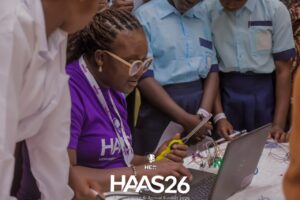 In partnership with FutureFeats, students participated in a hands-on Internet of Things (IoT) session, Build with IoT, which introduced them to the possibilities of connected devices and how technology can be used to create practical solutions.
The experience offered students an opportunity to move beyond simply hearing about technology and begin exploring how it works.
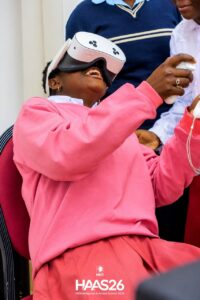
African Intelligence also facilitated VR for Kids, introducing participants to virtual reality and another dimension of emerging technology.
These sessions brought an important element to the summit: learning should not stop at understanding concepts. Girls should have opportunities to experiment, explore and create.
For a young girl encountering these technologies, a practical session can change how she sees herself and what she believes she can achieve. It can turn an unfamiliar concept into something tangible and inspire questions about what else she might be able to build.
This is why practical exposure is central to our approach to technology education.
Conversations That Matter
Throughout the summit, speakers challenged participants to think about the opportunities artificial intelligence presents, the people shaping its development and the responsibilities that come with its use.
Christie Dasaro, ICT Coordinator at ECWA, delivered the keynote address, contributing an educational perspective to the conversation about preparing young people for an increasingly digital world.
Nana Theresa led a session titled AI for Everyone, reinforcing the importance of making artificial intelligence accessible, regardless of a person’s technical background.
Stephanie Ideho-Iraoya, Microsoft MVP and Founder of BesTech, explored an important question: Who Gets to Shape the Future of AI?
Her session brought attention to representation and the importance of ensuring that girls and women are part of the conversations, decisions and innovations shaping emerging technologies.
The question is particularly important because the people who build technology influence the experiences of those who use it. Girls must therefore have opportunities to participate in these spaces and contribute their perspectives.
When AI Steals Her Face: Deepfakes, Digital Rights and the Fight for Justice
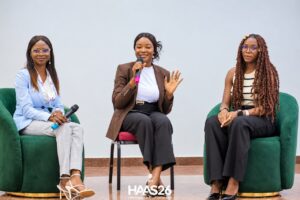 Technology creates opportunities, but it also presents challenges that young people must be prepared to understand.
During the fireside chat, When AI Steals Her Face: Deepfakes, Digital Rights and the Fight for Justice, Sylvia Peter, Sang David and Deborah Samaila examined the growing concerns surrounding AI-generated images and videos, digital identity, consent and online protection.
The discussion brought an important dimension to the summit. Equipping girls for the digital economy cannot be limited to teaching them how to use AI tools. They must also understand their rights, recognise potential risks and know how to navigate the digital world safely.
Nanfe Yarnap continued this conversation through her session, Using AI Tech Without Harm, encouraging participants to consider the consequences of how artificial intelligence is developed and applied.
The message was clear: as girls become more involved in technology, responsible use, digital rights and accountability must remain part of their learning.
From Ideas to Action
A particularly exciting part of the programme was Naomi Akpikie’s session, Turn Your Ideas Into Action with AI.
As Founder of Auxxi, she encouraged participants to consider how AI could help them move from imagination to practical solutions.
This message was reinforced through a startup idea pitch by Aisha, who presented Lalita.
Her presentation offered a reminder that innovation does not always begin with sophisticated technology or elaborate resources. Sometimes, it begins with recognising a problem and having the courage to imagine a different solution.
We want girls to develop that mindset: to look at the challenges around them and ask, “What can I create to solve this?”
Preparing girls for the digital economy is not just about teaching them how to use existing tools. It is also about developing their confidence to imagine, experiment and build new possibilities.
The Power of Partnerships
The summit also brought together organisations and individuals who recognise the importance of expanding access to technology education.
Partner spotlights featured Scoutsity, Afara Data Farms, African Intelligence and RexC4. Goodwill messages from representatives of FutureFeats and Axia Hub further contributed to the conversations.
Their participation reinforced an important point: preparing girls for the digital future requires collective effort.
Schools, educators, technology organisations, industry professionals and development partners all have a role to play in creating opportunities for young people.
At HERIntelligence, we believe that collaboration is essential to ensuring that girls, particularly those in underserved communities, are not excluded from the opportunities emerging in the digital economy.
One Year of HERIntelligence: A Milestone and a New Beginning
The summit was also an opportunity to reflect on HERIntelligence’s journey over its first year.
Our commitment has been to make artificial intelligence education, digital skills, mentorship and opportunities more accessible to girls, particularly those in government schools and underserved communities.
The one-year milestone was an opportunity to celebrate progress, recognise the people who have contributed to the journey and reflect on the work ahead.
But we also recognise that reaching more girls requires us to think beyond individual events.
A summit can introduce new ideas and inspire interest. The real opportunity lies in creating spaces where that interest can develop into knowledge, practical skills and confidence.
And that brings us to our next step.
From the Summit to the Schools: Introducing HERIntelligence Clubs
What happens after the girls return to their classrooms?
Do the conversations end with the summit, or can the excitement of exploring artificial intelligence continue within their schools?
At HERIntelligence, we want the learning to continue.
One of our key action points following the 2026 summit is to establish HERIntelligence Clubs in Schools, beginning with the schools represented at the event.
We were pleased to welcome 50 students from:
* Government Secondary School (GSS) Shehei – 25 students.
* Government Secondary School (GSS) Gut – 25 students.
These two schools will be the starting point for the initiative.
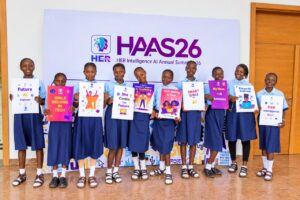
Through the proposed clubs, we hope to create spaces within schools where girls can continue exploring artificial intelligence, developing digital skills, experimenting with technology, working on practical projects and learning alongside their peers.
The clubs will also provide opportunities for mentorship and continued engagement with the wider HERIntelligence community.
Our intention is simple: we do not want girls to encounter AI education only during an annual summit. We want them to have opportunities to learn, practise and create throughout the school year.
We also want the students who attended the summit to share their experiences with their classmates and encourage other girls to become part of the journey.
This is how we begin moving from one-day exposure to sustained engagement. It is how we take the conversation about girls and AI from an event venue into the classroom.
The Work Continues
To every student who attended, every speaker who shared knowledge, every partner who supported the programme, every school that participated and every volunteer who contributed to making the day possible, thank you.
Over 150 people came together around a shared conversation, but the impact we hope to create extends far beyond the people who were in the room.
We hope the girls left with more than photographs and memories. We hope they left with new questions, ideas to explore, the confidence to experiment and a different understanding of what is possible for them.
The HERIntelligence 2026 Annual Summit was an important milestone, but it was never meant to be the destination.
Our work continues in the schools, in the learning spaces we create, in the partnerships we build and in every opportunity that allows another girl to discover her potential.
We are building towards a future where girls are not merely consumers of the technologies shaping tomorrow. They have the knowledge, confidence and opportunities to become the people who create, influence and lead.
Her future in AI is not something we should wait to see. It is something we must actively help her build.