Malawi’s communications regulator has begun drafting rules to fight online piracy of films and TV. The plan includes blocking the web addresses and domain names that carry illegal broadcasts.
Nothing is final yet. A working group will refine the draft with industry first, so the safeguards are still open.
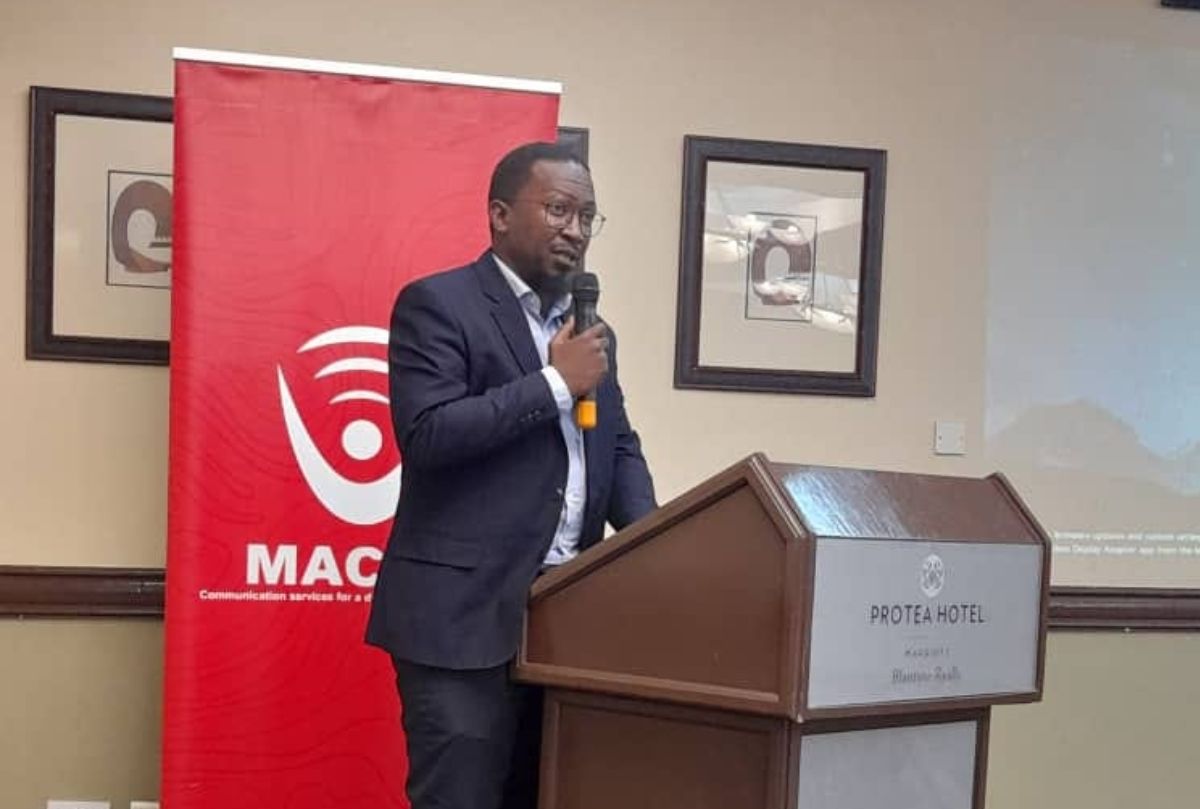
Here is the short version. The Malawi Communications Regulatory Authority (MACRA) held a meeting with industry players. MultiChoice and the Canal+ Group gave technical support. In a press release on Wednesday 18 November, MACRA said talks covered blocking IP addresses, URLs and domain names linked to illegal broadcasting. The move builds on the Copyright Act of 2016 and on recent raids. Creative workers say piracy costs them a large share of income. But blocking has limits. Pirates can switch addresses, users can turn to VPNs, and legal sites can be blocked by mistake.
Here is the plan at a glance.
| Item | Detail |
|---|---|
| Regulator. | Malawi Communications Regulatory Authority (MACRA). |
| What is being drafted. | A regulatory framework against online audiovisual piracy. |
| Technical support. | MultiChoice and the Canal+ Group. |
| Measures discussed. | Blocking IP addresses, URLs and domain names tied to illegal broadcasting. |
| Next step. | A working group will refine the draft with stakeholder input. |
| Existing law. | Copyright Act of 2016, which covers infringement, including online. |
| Recent enforcement. | May 2025 operation by the Copyright Society of Malawi (COSOMA) and MultiChoice in Lilongwe. Two arrests and equipment seized. |
| Not stated. | The draft text, who orders a block, how appeals work and when rules take effect. |
Why act now? Piracy has grown across Africa as digital channels spread. It takes money from artists and broadcasters. It also weakens the case for funding local shows and films. A 2021 UNESCO report says Malawian creative workers estimated that piracy cost them 50% to 75% of their revenue. The Finance Ministry’s 2025 economic report also noted the hit to COSOMA’s income, as new tools make copying easy. Those are guesses by people who feel the loss. Worldwide, a Kearney and MUSO study puts the cost to the media industry at $75 billion in 2024. It says the loss could reach $125 billion by 2028. Films and TV make up 92% of demand for pirated video, it adds.
Malawi has talked about this for months. In July 2026, a national forum on digital piracy met in Blantyre. Deogratias Mmana, the government’s communication services director, said piracy hurts job creation and puts off investors. He blamed weak coordination, slow takedowns, poor court results and cross-border limits. He added that many Malawians are “culprits of digital piracy” in some way. MACRA’s Director General, Mayamiko Nkoloma, said growing numbers of young people earn from streaming, apps and content creation, and that these jobs “must be protected.”
The same idea is spreading in the region. In September 2026, MultiChoice told reporters in Johannesburg that South Africa needs a stronger framework to block pirate sites. Its chief executive, Willington Ngwepe, said technology alone cannot stop illegal sharing. MultiChoice and Canal+ both sell pay-TV in Africa, so they have a stake in the result. That is our reading, not a claim by either firm.
How well does blocking work? The Internet Society, a global internet rights group, warns about its limits. Its policy brief says blocking does not remove content from the web. The content often moves to a new address, and the old block can linger. Users can get around blocks with VPNs or other DNS tools, and some of those are less safe. Blocking a shared IP address can also hit innocent sites, such as a small online shop on the same server as a pirate stream. The brief cites Italy’s Piracy Shield, which blocked legal services by mistake more than once. It asks that blocking be needed and fair in scale. It wants policies to be public and open to outside review. It also asks that blocks be narrow and short, and that people hit by a wrong block can complain.
Those safeguards are the real test for Malawi. A fair framework would say who may ask for a block and who approves it. It would say how long a block lasts and how a wrongly blocked site is restored. Without such rules, small Malawian firms that share hosting could pay for the piracy of others.
Why it matters: Piracy takes money from Malawian creators and from the firms that pay for local content. Good rules could protect jobs in film, music and streaming. But blocking tools are blunt. Vague rules could cut off lawful sites and add costs for internet providers. How Malawi writes its safeguards could guide other African regulators weighing the same step.
What to watch next: the first public draft of the framework, and whether it is open for comment. Watch who may order blocks, and whether a court must approve them. Watch how the working group treats internet providers, small firms and rights groups. Watch whether more raids follow the May 2025 case. Watch whether regional regulators copy the plan. And watch whether pirate sites simply move, as the Internet Society warns.
Sources: Isaac K. Kassouwi, “Malawi: Regulator prepares framework against online audiovisual piracy”, 19 November 2026; Nyasa Times via AllAfrica, “Malawi Losing Millions to Piracy Epidemic As Officials Warn of Job Losses and Investor Flight”, 22 July 2026; ITWeb, “MultiChoice seeks stronger piracy regulations”, 8 September 2026; Internet Society, “Perspectives on Internet content blocking”, 4 September 2025.
A note for startup founders: Don’t practice on investors. Practice on AI first. RaiseReady by Index Prima is an AI fundraising simulator for African founders: upload your pitch deck, get a readiness score and face a tough AI investor before the real meeting. Find this post, and every post we publish, at raiseready.indexprima.com.