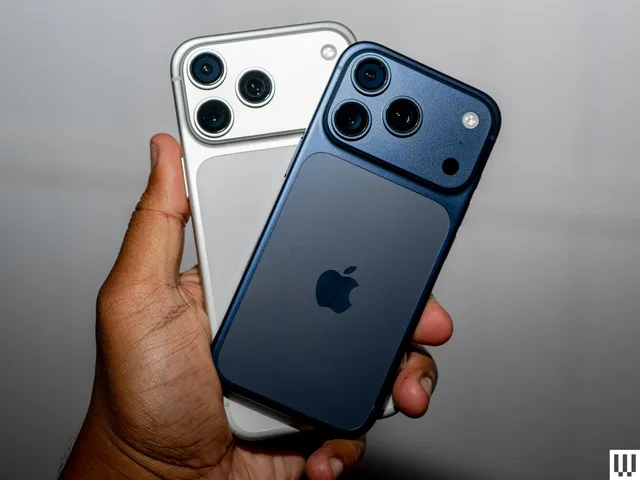
Foreign-used phones shipped into Nigeria since October could stop working if they fail new Nigerian Communications Commission (NCC) checks. Owners are already getting “NCC-Checker” text alerts, and a failing device could be cut off after 30 cumulative days.
The NCC now checks two things for every SIM-enabled device. First, the model must hold Type Approval for use in Nigeria. Second, each handset must be verified by its IMEI, the unique code every phone carries. Enforcement began on 7 October 2026. Since Saturday 10 October, the NCC has texted owners of iPhones, Pixels, TECNO, Infinix and Oukitel phones. The alerts tell them to call their seller or dial 315. Phones already on Nigerian networks are largely safe. About 231 million devices were captured automatically, the NCC says, so owners need do nothing. The pressure falls on bulk imports, including “London-used” iPhones headed for dealers. The duty sits with importers, suppliers and sellers, not with ordinary buyers in Nigeria. The checks also cover POS terminals, tablets, laptops, modems and routers that use SIMs.
| Item | Detail |
|---|---|
| Regulator. | Nigerian Communications Commission (NCC). |
| Rules. | Device Checker and Type Approval, enforced from 7 October 2026. |
| Two checks. | Model approval, and each handset’s IMEI. |
| Alerts. | “NCC-Checker” texts since 10 October. |
| Risk. | A failing device could be disconnected after 30 cumulative days. |
| Already on networks. | About 231 million devices were captured automatically. |
| Duty. | Importers, suppliers and sellers. |
| Devices covered. | Phones, POS terminals, tablets, laptops, modems and routers with SIMs. |
| Not stated. | Fines, and guidance for used phones. |
The rules target newly imported, counterfeit, cloned or unapproved devices. “Newly imported” describes when a device entered the country, not its condition. So a used phone that a dealer brings in after the rollout date counts. The NCC’s guidance makes no exception for used stock. The report says the NCC has not yet issued rules for fairly used or refurbished phones. The checks run on the NCC’s Device Management System and a central IMEI register. Both use IMEI numbers to identify each device. The NCC says the aim is to curb fake, poor, cloned and stolen phones, and to improve service quality. It is also working with the Nigeria Customs Service to stop non-compliant devices at the border, before they reach dealers’ shelves.
Edoyemi Ogoh, the NCC’s Director of Technical Standards and Network Integrity, said: “Type Approval is a critical consumer protection and regulatory tool, rather than merely an administrative requirement.” On phones already in use, he said: “And those devices, basically, you don’t have to do anything.” The NCC says the framework enforces existing rules under the Nigerian Communications Act 2003 and the 2024 Type Approval Business Rules. It says it adds no new duty.
Importers and individuals follow different routes. Businesses that sell devices must hold Type Approval and verify each handset. Sellers must confirm that every device is verified before sale. Retailers should not assume a phone is fine just because a distributor supplied it. People who buy a phone abroad for personal use follow a process based on their travel history. They can call 315 for help. A phone never used on a Nigerian network can run on a Nigerian SIM for up to 30 cumulative days in a year without verification. Visitors on foreign SIMs are not hit in the same way. Phones bought second-hand inside Nigeria need no action from their owners. Still, the NCC tells buyers to check before paying. Past use on a network does not prove a phone is in good standing.
A failed check does not by itself mean a phone is fake. The NCC tells buyers not to pay until the seller explains and fixes the result. To check a phone, dial *315# and choose option 1 to test the handset in your hand. Choose option 2 to test another phone by entering its 15-digit IMEI. You can find the IMEI by dialling *#06#, in settings or on the box. With no credit or signal, use the NCC Device Checker portal at ncc.gov.ng/DeviceChecker or call the toll-free 315 line. A clean result confirms approval and verification only. It does not show repair history, software or the state of parts. So buyers should still inspect the phone and buy from trusted dealers. The NCC warns people never to share one-time codes and to ignore links sent by text or WhatsApp. Within Nigeria reports that traders cite registration fees of about ₦670 for basic phones and over ₦3,700 for high-end ones. The NCC has not confirmed any charge.
IMEI integrity is the pressure point. The NCC says IMEI changes can hide fake or stolen devices. It says repairers should keep each IMEI as it is. Stolen phones can now be blocked on every Nigerian network once the theft is reported and ownership is proved. A new SIM will not help the thief. The used-phone trade has long had a stolen-goods problem. A 2019 Techpoint Africa survey found that six in ten buyers of London-used phones admitted knowing the devices might be stolen. The Device Management System launched in 2024 as a central IMEI register that links to global databases.
On privacy, the NCC says Device Checker does not track user locations or access personal messages, photos, calls or financial data. It says the system checks devices using IDs such as the IMEI, which it may link to mobile numbers. Its power to enforce Type Approval comes from Section 132(2) of the Nigerian Communications Act 2003.
Our reading is that bulk importers, and the dealers who buy from them, carry the main risk. A shipment that fails verification could leave stock that cannot connect. The cost may then pass to buyers who paid before checking. Who pays to fix a non-compliant phone bought from a shop earlier has not been answered.
Why it matters: Phones are how most Nigerians reach the internet, banking and work. Many buy foreign-used handsets because they cost less than new ones. A phone that stops working after 30 days is a real loss. Clear checks could cut theft and fake goods. That only works if buyers test before they pay and sellers verify before they sell. Small dealers and POS agents who import stock may face new costs and delays.
What to watch next: whether the NCC publishes guidance for used and refurbished phones. Watch for any fines for importers and sellers. Watch how Customs and the NCC handle shipments stopped at the border. Watch whether verification fees appear, or whether the NCC confirms there are none. Watch how many phones fail the checks and what dealers do with them. And watch for scammers who send fake “NCC-Checker” messages, since the NCC has warned about unofficial links.
Sources: Report on “London-used” phones and the NCC checks, 21 November 2026; Business A.M, “NCC’s device crackdown: what consumers, POS operators and phone importers need to know”, 18 October 2026; Within Nigeria, “NCC phone approval: how to check your device with *315#”, 20 October 2026; Techeconomy, “NCC registers 231 million devices, unapproved phones”, 16 October 2026; Techeconomy, “NCC Device Checker: 10 things Nigerians should know about phone verification”, 6 November 2026.
A note for startup founders: Don’t practice on investors. Practice on AI first. RaiseReady by Index Prima is an AI fundraising simulator for African founders: upload your pitch deck, get a readiness score and face a tough AI investor before the real meeting. Find this post, and every post we publish, at raiseready.indexprima.com.