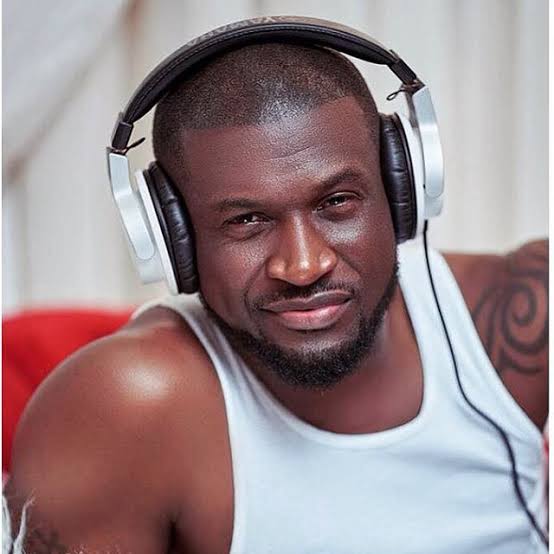
Nigerian singer Peter Okoye, known as Mr P, says artificial intelligence helped mix a song on his upcoming album. He compares it to Auto-Tune and says critics are holding AI to a different standard.
Mr P, a former member of P-Square, made the remarks at a listening party for the album on Wednesday 18 November. He said AI took part in mixing the song “Back 2 Back” and asked listeners to hear it and judge for themselves. He has nothing against the technology. “I don’t have anything against it. I think that’s come to stay,” he said. He argued that Auto-Tune and the software producers use to chop and arrange beats were once new too, and both became normal. He also said AI does not replace the artist, because a person must still decide how a song should sound and tell the tool what to do. He urged musicians to keep investing in songwriting. He did not name the software or say how much of the song AI touched.
| Item | Detail |
|---|---|
| Artist. | Peter Okoye, known as Mr P, a former member of P-Square. |
| Event. | Listening party for his upcoming album, Wednesday 18 November 2026. |
| Song. | “Back 2 Back”, mixed with help from AI, he says. |
| His comparison. | Auto-Tune and beat-making software, once new and now accepted. |
| His view on the artist. | A person still gives the instructions and the creative direction. |
| Also on the album. | A trap song, which he describes as a hard style to mix. |
| Not stated. | The album’s name, the AI tool used and how much of the song AI shaped. |
Mixing is the stage where the parts of a song, such as the vocals, drums and instruments, are balanced into a finished track. That makes his claim narrower than it may sound. AI-assisted mixing is different from using generative AI to create vocals, melodies or whole recordings. Mr P has said only that AI helped mix one song. Without the tool’s name or the extent of its use, listeners cannot tell how much of the final sound came from a machine.
His comparison has a long history behind it. Auto-Tune arrived in 1997 as a pitch-correction tool. It became widely known after Cher used it for the vocal effect on her 1998 hit “Believe”, and artists such as T-Pain later made it part of their sound. Digital recording software has also let independent artists record, arrange and edit songs on a laptop with modest equipment. Mr P sees AI as the next step in that line.
Our reading is that the comparison fits best for mixing and polishing, where a tool improves a performance a person has already given. It fits less well for generative tools that can produce a voice or a melody on their own, where the question of who made the song is harder. That is our view, not Mr P’s.
The wider debate in Nigerian music is already running. Afrobeats artist TB2 told Vanguard in April that AI lowers costs, so that “a young artiste in Lagos or Port Harcourt can now produce world-class sound with just a laptop”. He also warned of music that “sounds right but lacks soul”, and said that on ownership of AI-made songs, “the law hasn’t caught up, especially in Nigeria”. Victor Okpala, a Nigerian music and tech executive, wrote on TechCabal that AI will become a standard creative tool, much like Auto-Tune, but will not define artistic identity at scale. He argued that AI music should be labelled so listeners know whether they support a human or a machine. He also noted that no widely known framework exists for paying artists whose work trains AI models.
AI is already showing up in the local charts. TechCabal reports that FAVE’s 2025 single “Intentions” gained new attention through an AI version by the studio Urban Chords, which FAVE then re-released with the studio. Urban Chords’ AI compilation “Choir Refix” entered the top 50 of TurnTable’s Nigerian Official Top 100 Albums chart. It adds that producers such as Mykah and Eclipse Nkasi have released AI-generated Afrobeats albums.
Why it matters: When a major Nigerian artist says openly that AI helped mix his music, it moves the debate from the margins to the mainstream. Studios, labels and young artists will take note, especially those who cannot afford large mixing budgets. But openness also raises questions about credit, labels and pay. Listeners and engineers may want to know what AI did, and rules on ownership and training data have not caught up.
What to watch next: the release date and name of Mr P’s album, and whether credits list the AI tool used. Watch how critics and fans react once they hear the song. Watch whether other Nigerian artists and producers say how they use AI. Watch whether labels and streaming platforms adopt labels for AI-made or AI-assisted music. And watch whether Nigeria’s lawmakers and the Nigerian Copyright Commission clarify who owns AI-assisted work.
Sources: Technext, “Mr P compares AI to Auto-Tune, reveals it helped mix a song on his new album”, November 2026; Legit.ng, “Mr P speaks on why he has embraced AI to make music, addresses critics”, 19 November 2026; Vanguard, “AI ownership debate reshaping Afrobeats’ future” (TB2), 10 April 2026; TechCabal, “AI is Nigeria’s new music disruptor, but not its replacement”.
A note for startup founders: Don’t practice on investors. Practice on AI first. RaiseReady by Index Prima is an AI fundraising simulator for African founders: upload your pitch deck, get a readiness score and face a tough AI investor before the real meeting. Find this post, and every post we publish, at raiseready.indexprima.com.