CardinalStone Capital Advisers has reached a $76 million first close for its second SME-focused fund, CCA Growth Fund II, putting the Lagos-based private equity manager more than 63% of the way to its $120 million target. The fund will provide growth capital to high-potential small and medium-sized businesses across Nigeria, Ghana, Côte d’Ivoire, and Senegal, with the explicit goal of helping them expand from local operators into larger regional companies.
Who’s Backing the Fund
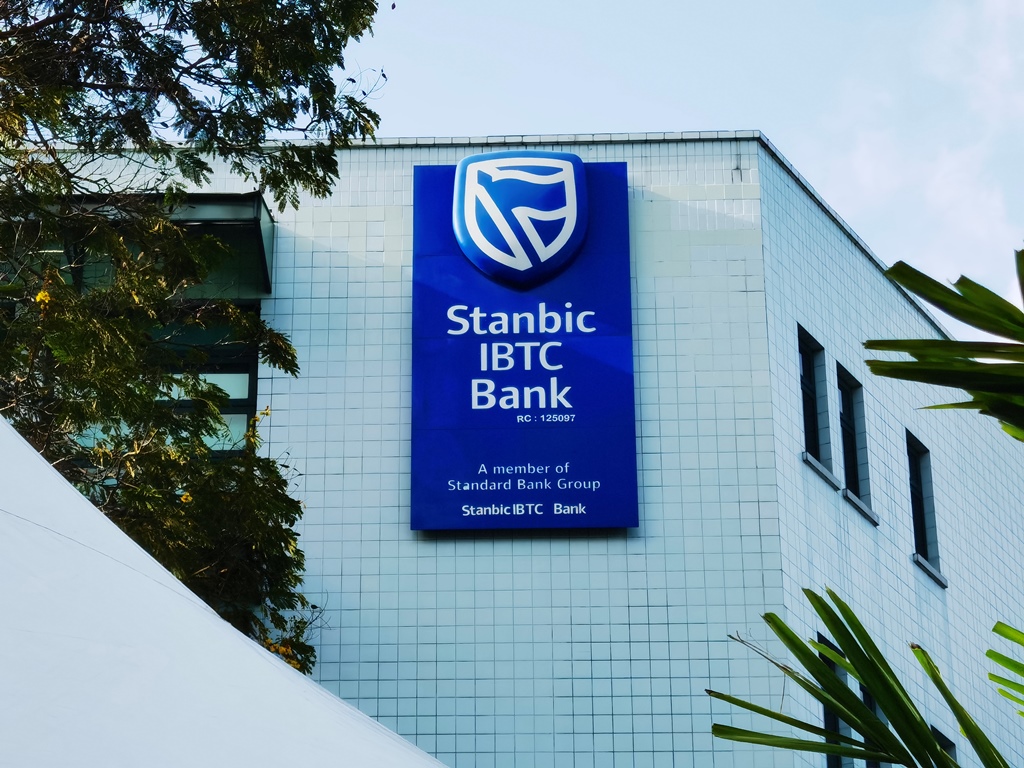
The first close pulled in a genuinely diverse mix of investors. Returning from CardinalStone’s first fund are the International Finance Corporation, British International Investment, and SCM Capital, all continuing a relationship rather than making a first-time bet. Joining them for the first time are the Dutch Good Growth Fund, CardinalStone Partners itself, and three major Nigerian pension fund managers: Stanbic IBTC Pension Managers, Access ARM Pensions, and FCMB Pensions. That last detail is worth sitting with. Domestic pension capital showing up alongside international development finance institutions is a meaningfully different investor base than a fund raised entirely on foreign development money, and it suggests Nigerian institutional investors are increasingly willing to back long-dated, illiquid private equity bets on their own SME sector rather than sticking purely to government bonds and listed equities.
What the Fund Actually Does
CCA Growth Fund II follows a generalist strategy, domiciled in Mauritius, investing primarily through equity and equity-linked instruments alongside close operational support. That operational piece is central to CardinalStone’s pitch: rather than simply writing a check and waiting for returns, the firm works directly with portfolio companies to professionalize operations, strengthen governance, and prepare them for the kind of regional expansion that most small and medium-sized African businesses never get the capital or support to attempt. Target sectors span agribusiness, industrials, consumer businesses, healthcare, education, and financial services, a deliberately broad mandate that reflects how underserved growth capital is across nearly every part of the West African SME economy, not just one hot sector.
The fund also carries a 2X Qualified designation, a global standard for gender-lens investing that signals a strong emphasis on shared prosperity, equity, and environmental sustainability in how capital gets deployed, not just in which companies receive it.
What the First Fund Actually Delivered
CardinalStone’s first SME fund closed in 2021 at $64 million, below its original target, a detail the firm hasn’t hidden and one that makes the scale of this new raise more notable by comparison. Despite the smaller size, that fund backed seven SMEs directly, helped support more than 8,000 jobs, and reached an additional 1,000 enterprises indirectly through its portfolio companies’ own value chains, with individual investments typically ranging from $5 million to $10 million. Its disclosed investments spanned renewable energy, healthcare, fintech, fitness, agriculture, and industrial equipment, a genuinely wide spread for a fund of that size. That track record is likely a big part of why returning investors like IFC and BII came back for a second round rather than a first close built entirely on new relationships.
Why the Region Needs This Kind of Capital
The fundraising context matters as much as the fund itself. The IFC has described private equity markets in Nigeria and Ghana as underdeveloped, particularly in the small-cap segment, with fundraising constrained by macroeconomic uncertainty and limited institutional investor participation. That’s not an abstract problem. Across the region, small and medium-sized enterprises make up the overwhelming majority of businesses and a large share of GDP, yet they remain the segment banks and larger investors tend to overlook, too big for microfinance and too small or too risky for most conventional bank lending or larger private equity funds. Patient, hands-on growth capital aimed specifically at that gap is exactly what CardinalStone is positioning Growth Fund II to provide.
What Comes Next
Reaching a $76 million first close with roughly a third of the target still to raise gives CardinalStone real capital to start deploying against its next group of portfolio companies while continuing to court additional investors toward the full $120 million goal. With Nigeria, Ghana, Côte d’Ivoire, and Senegal as anchor markets, the fund’s actual test will come in the same place its predecessor’s did: not in how much it raises, but in how many of the SMEs it backs actually grow into the regional champions the fund is explicitly built to create.