Ethiopian farm businesses often can’t get the long loans they need to grow. A new $44.6 million pool aims to change that, with a big share set aside for women-led firms.
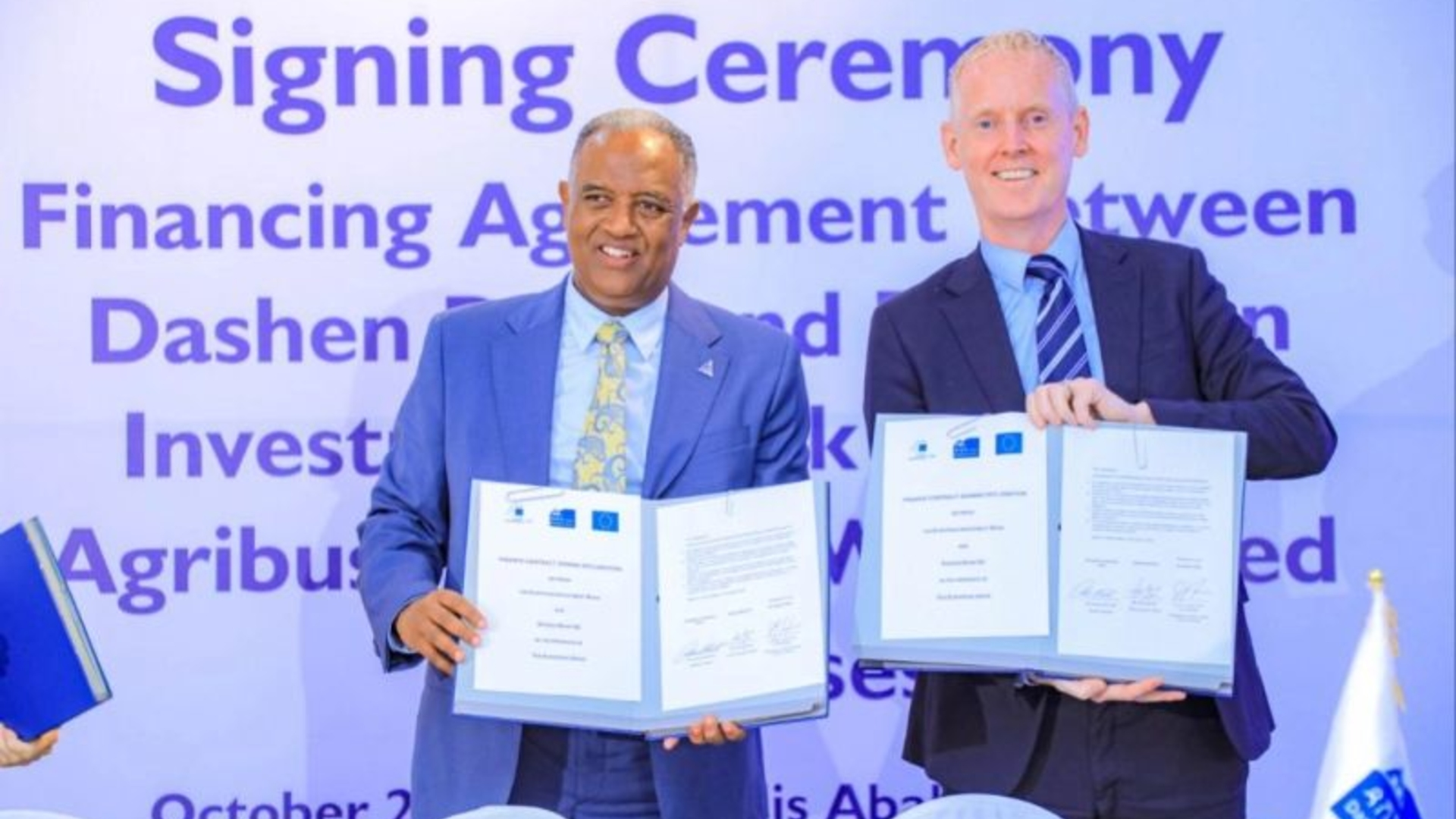
EIB Global is the development arm of the European Investment Bank Group. It has teamed up with Dashen Bank, one of Ethiopia’s largest private banks, to fund small and medium-sized firms (SMEs). EIB Global will lend $22.3 million for the long term. Dashen Bank will add the same amount. At least 70% must go to farming, and the deal should support over 34,000 full-time jobs.
The loans will reach Ethiopian SMEs on better terms than the local market offers, including longer repayment periods. That targets a long-standing gap. Many farm firms can borrow only for short spells. That makes it hard to buy machines, meet export standards or survive a drought or flood.
| Target | Share of the pool |
|---|---|
| Agriculture and related work. | At least 70%. |
| Climate action and sustainability. | At least 30%. |
| Women-led businesses. | At least 30%. |
| Jobs supported. | Over 34,000. |
These shares overlap, since one loan can count toward more than one goal. Priority goes to firms in coffee, pulses, horticulture and cereals, especially those that sell to Europe and other export markets.
Dashen Bank’s chief executive, Asfaw Alemu, said the deal will let the bank offer longer loans to farm firms and exporters. He added that it will deepen support for green investment and women-led companies. EIB Vice-President Ambroise Fayolle said the money will help agribusinesses invest, adapt to climate change, grow and reach new markets.
The package also includes EU-funded technical help. EIB Global will help Dashen Bank manage environmental and social risks. It will also improve how the bank handles and reports climate finance. Dashen is also part of an EIB programme that helps Ethiopian banks assess climate risk and lend more to green projects.
It is the latest in a run of deals aimed at Ethiopian farm lending. In April, EIB Global announced a €20 million credit line with Zemen Bank, matched by the bank, for agricultural exporters. It was EIB Global’s first direct loan to a commercial bank in Ethiopia. In February, the International Finance Corporation (IFC) agreed a $10 million risk-sharing deal with Dashen Bank. It backs $20 million in SME lending for farm and women-led firms. Together, these deals show lenders betting on local banks to reach small firms they cannot fund one by one.
The deal fits the EU’s Global Gateway plan, which backs stronger food systems and better access to finance in partner countries. Commissioner Jozef Síkela said it will mean more jobs, better protection for nature and sturdier local supply chains.
Why it matters: Agriculture drives Ethiopia’s jobs and export earnings, yet many growers and traders can’t get the right kind of money. Cash that lasts longer lets a coffee exporter upgrade a washing station or a cooperative buy cold storage. The women-led target also matters, because female founders often face the tightest credit. The lesson is clear. Local banks backed by global lenders are becoming a main road to capital for firms outside the startup spotlight.
What to watch next: how fast Dashen Bank lends the money, and whether firms outside Addis Ababa get a fair share. Also watch the repayment terms and interest rates SMEs are offered, and whether the 30% women-led target is met in practice.
Sources: African-Startups report on the EIB Global and Dashen Bank partnership; EIB on its Zemen Bank agricultural financing; Shore Africa on the IFC and Dashen Bank SME financing.
A note for startup founders: Don’t practice on investors. Practice on AI first. RaiseReady by Index Prima is an AI fundraising simulator for African founders: upload your pitch deck, get a readiness score and face a tough AI investor before the real meeting. Find this post, and every post we publish, at raiseready.indexprima.com.