A Nigerian poultry startup pays farmers the moment it collects their birds. Now it has its first loan to keep doing that while it waits for better prices.
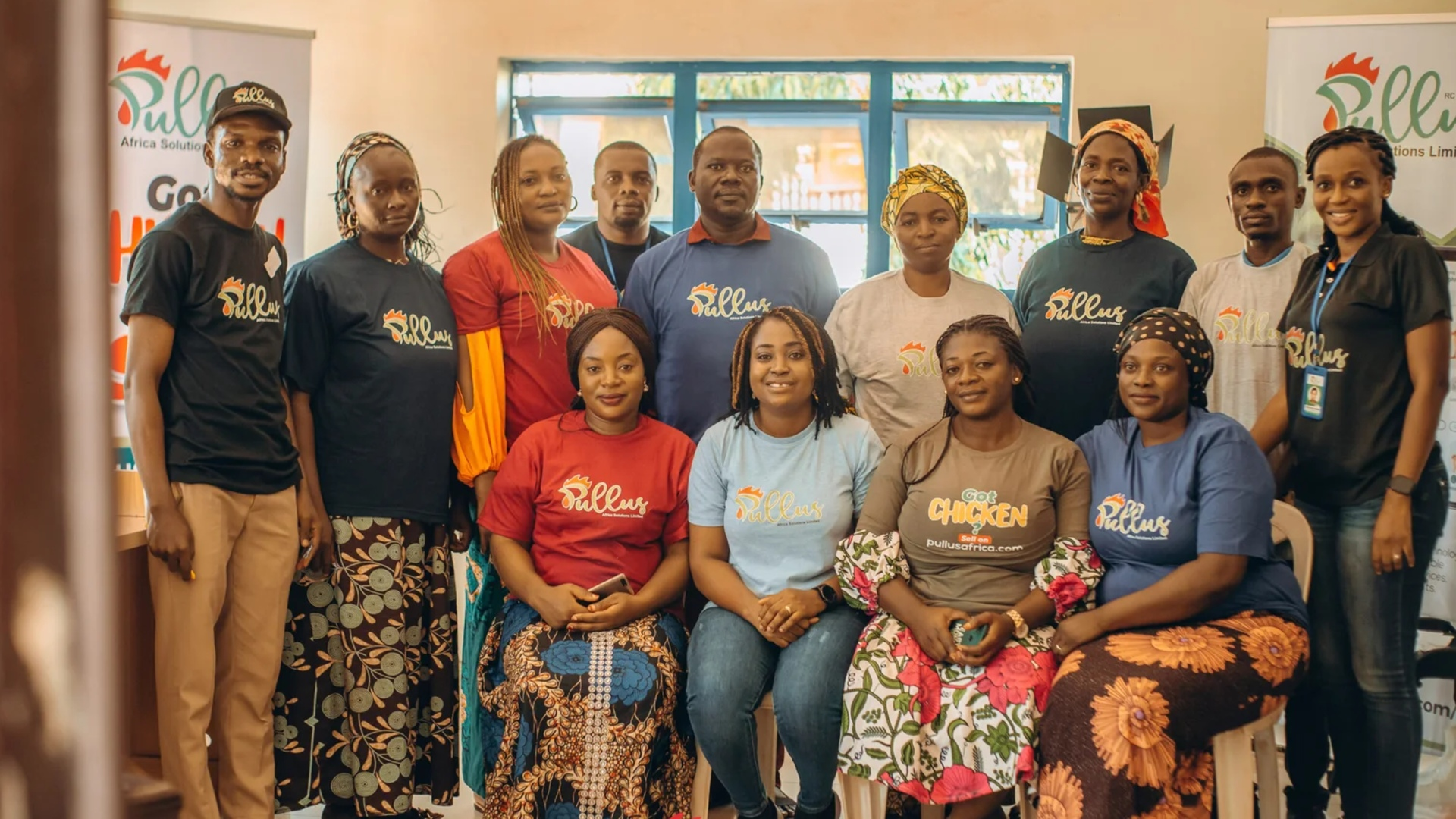
Pullus Africa, a Nigerian poultry supply chain company, has secured its first debt financing. The amount and the lender were not disclosed. The money will help Pullus buy birds from smallholder farmers and meet its working capital needs. It matters because Pullus must pay farmers on receipt, even when buyers take longer to pay.
That gap is the problem the loan solves. Pullus recently built its own cold storage, so it can hold birds until prices rise. Cold storage turns a quick sale into a smarter one, but it ties up cash. In the company’s words, it must always pay farmers on receipt, which creates a growing need for trade finance.
Until now, Pullus has relied on equity and grants from backers that include Acumen, elea, Livelihood Impact Fund and Mulago. Acumen announced its investment in April 2026, with plans for solar-powered cold rooms, refrigerated trucks and a cold-chain hub in Nasarawa to serve Abuja and nearby states.
The need is large. Poultry supports the livelihoods of about 85 million Nigerians, yet small farmers have little access to fair markets. Middlemen offer low prices and little help. About a quarter of birds die before sale, and the cost of inputs and the price of birds swing widely. Without cold storage, farmers can’t wait for a better price.
| Pullus figure | What it reports |
|---|---|
| Farmers supported. | Over 25,000. |
| Farmers bought from in 2025. | About 900. |
| Share who are women. | 70%. |
| Average earnings in 2025. | About $615 each. |
| Typical Nigerian poultry farmer. | About $125 a year. |
| Reported income rise. | 70% to 90%. |
Pullus was founded by CEO Ope Fayomi, who ran her family’s medium-sized chicken farm and worked in rural development. Her brother Abisoye built the technology, and their college friend Titilayo leads operations. The company groups farmers into community clusters, stays in regular contact, promises buyers and pays quickly. Pullus says this builds trust, steadies incomes and improves quality. It credits the model with higher prices, fewer bird deaths, less feed use and more production cycles a year.
The company has also tested lending to farmers. It has lent to 380 farmers who had worked with it for several cycles, and repayment has been above 99%. The new money, though, goes to trade finance. That lets Pullus keep paying farmers on receipt while it stores birds and waits for the right moment to sell.
Why it matters: Africa’s food startups often win farmers’ trust but run short of cash to scale. Debt is a sign that a business has steady sales and can repay. For Pullus, it could mean buying more birds from more farmers without delaying a single payment. For smallholders, fast payment and a guaranteed buyer can mean the difference between a risky season and a steady income. It also shows lenders that small farms can be bankable when a trusted buyer sits in the middle.
What to watch next: who the lender is, how big the facility is and what it costs. Also watch how many more farmers Pullus buys from, how its cold storage lifts prices, and whether other lenders back farm supply chains in Nigeria.
Sources: African-Startups report on Pullus Africa’s first debt financing; Acumen on its investment in Pullus; Africa Private Equity News on Acumen’s backing of Pullus.
A note for startup founders: Don’t practice on investors. Practice on AI first. RaiseReady by Index Prima is an AI fundraising simulator for African founders: upload your pitch deck, get a readiness score and face a tough AI investor before the real meeting. Find this post, and every post we publish, at raiseready.indexprima.com.