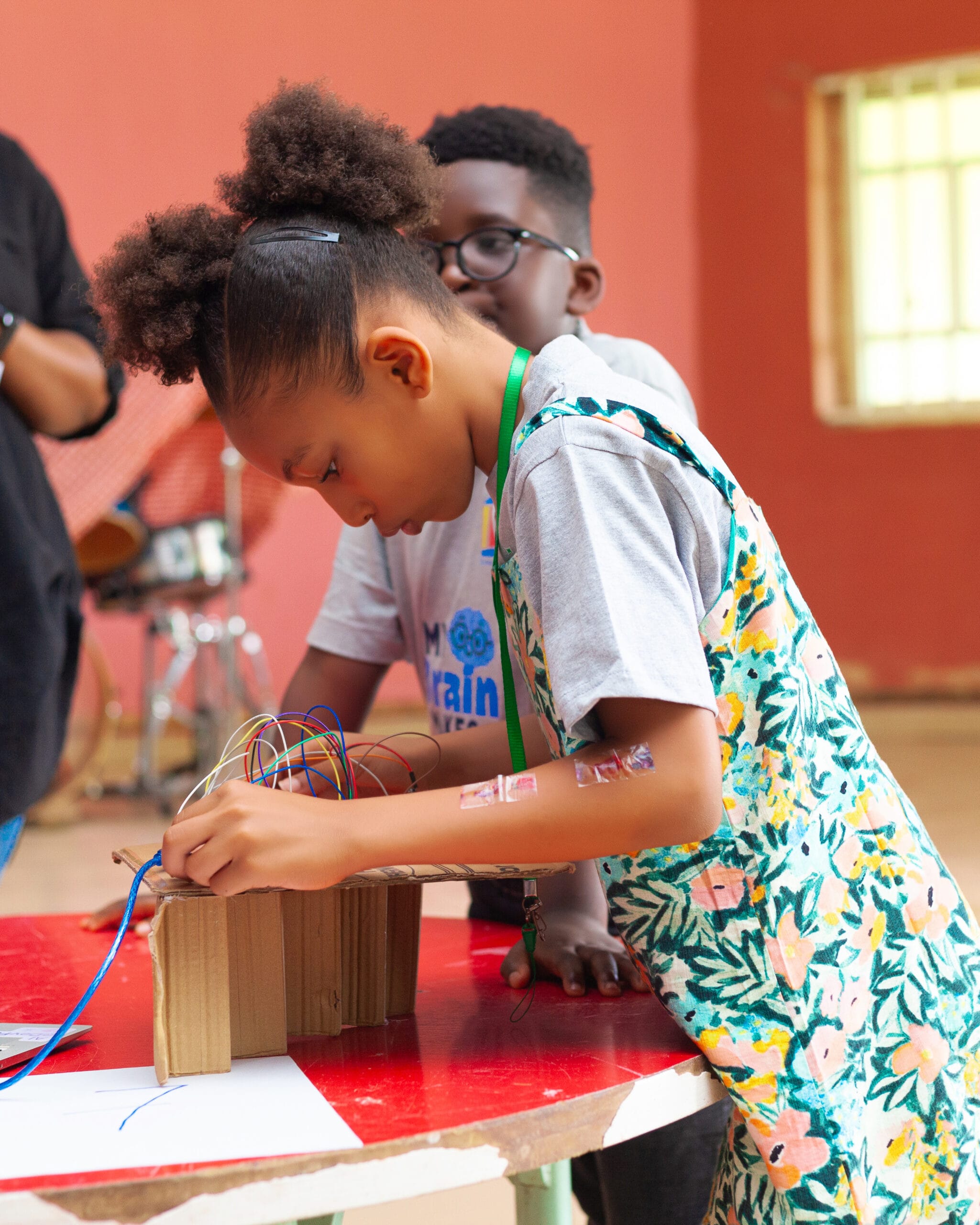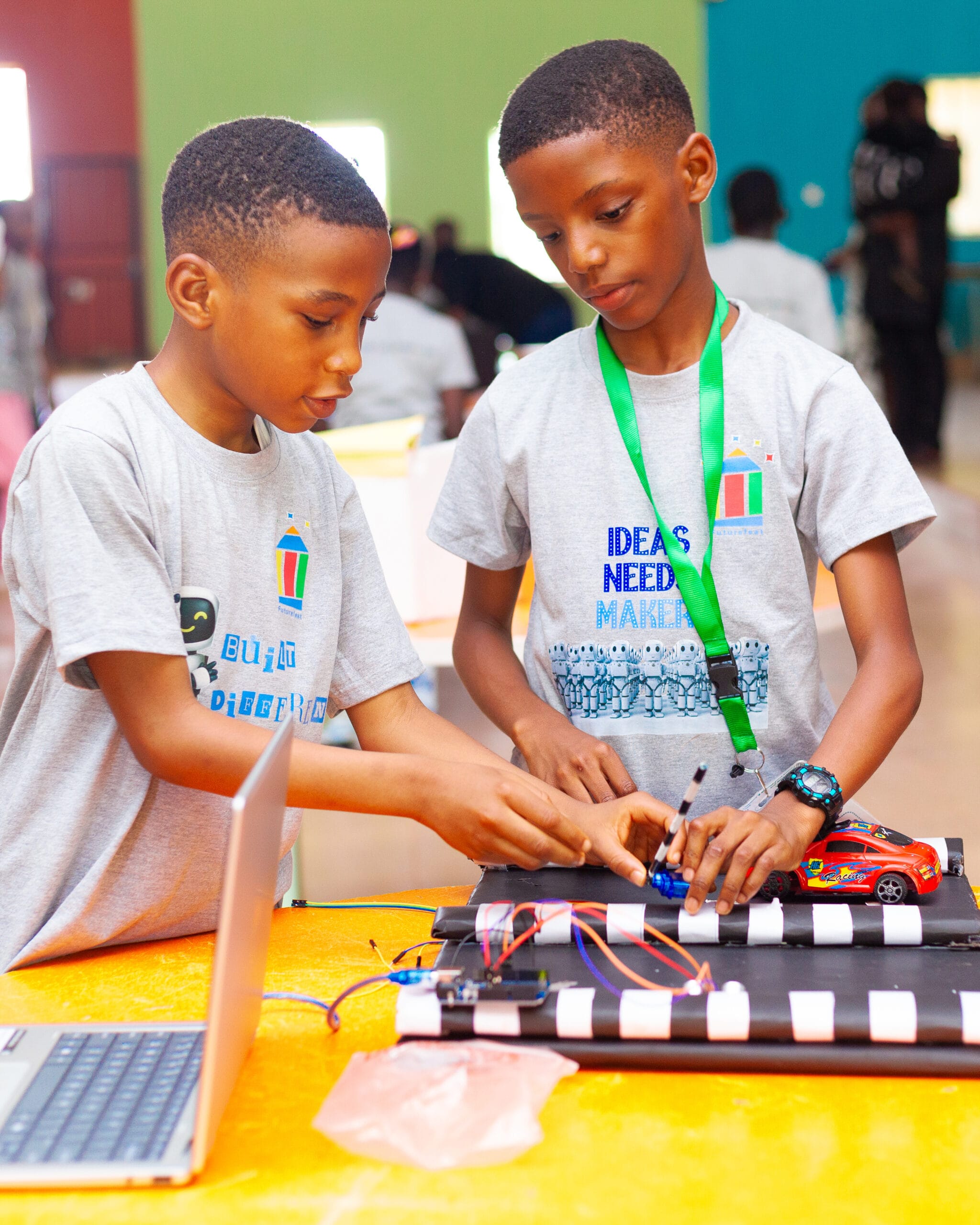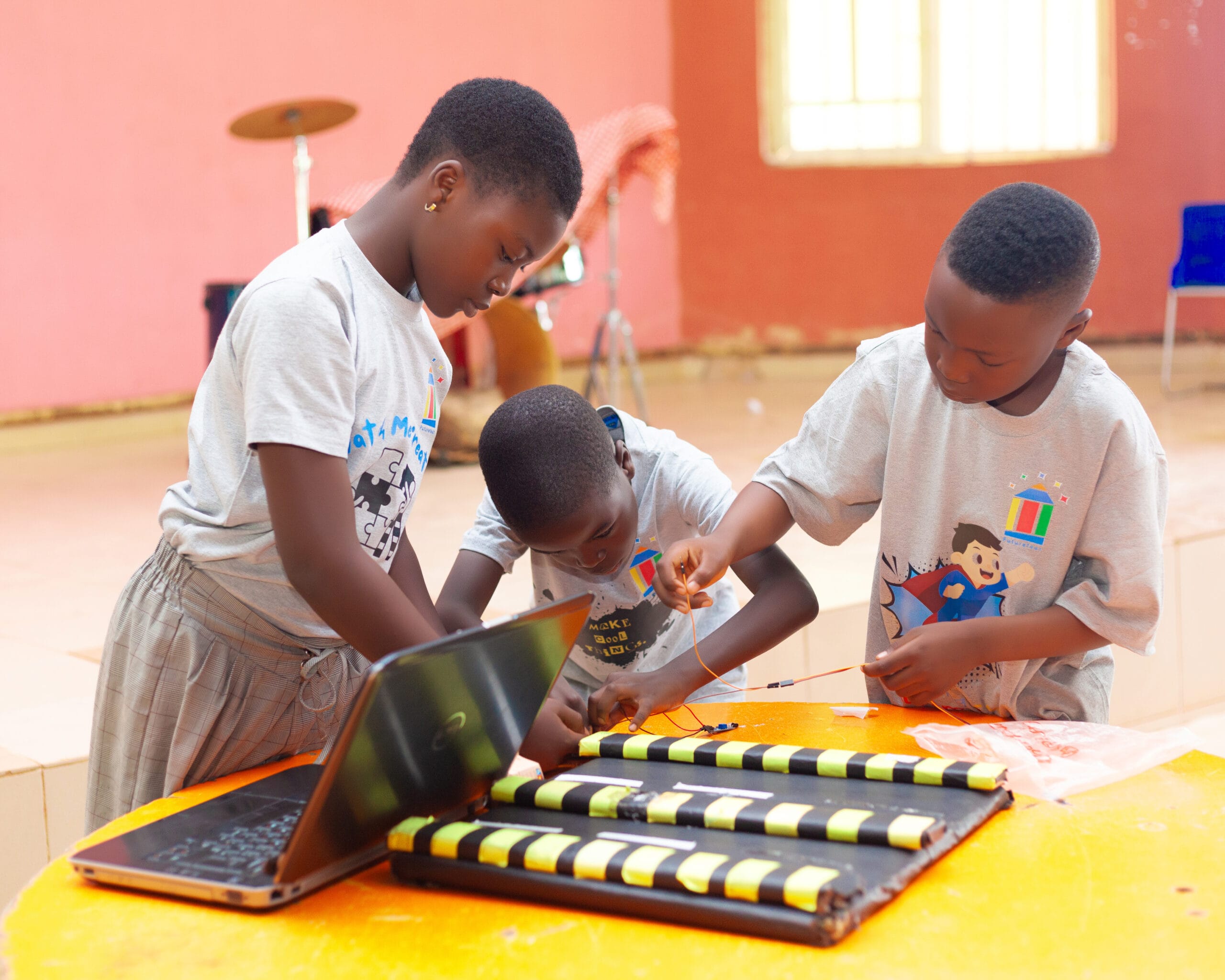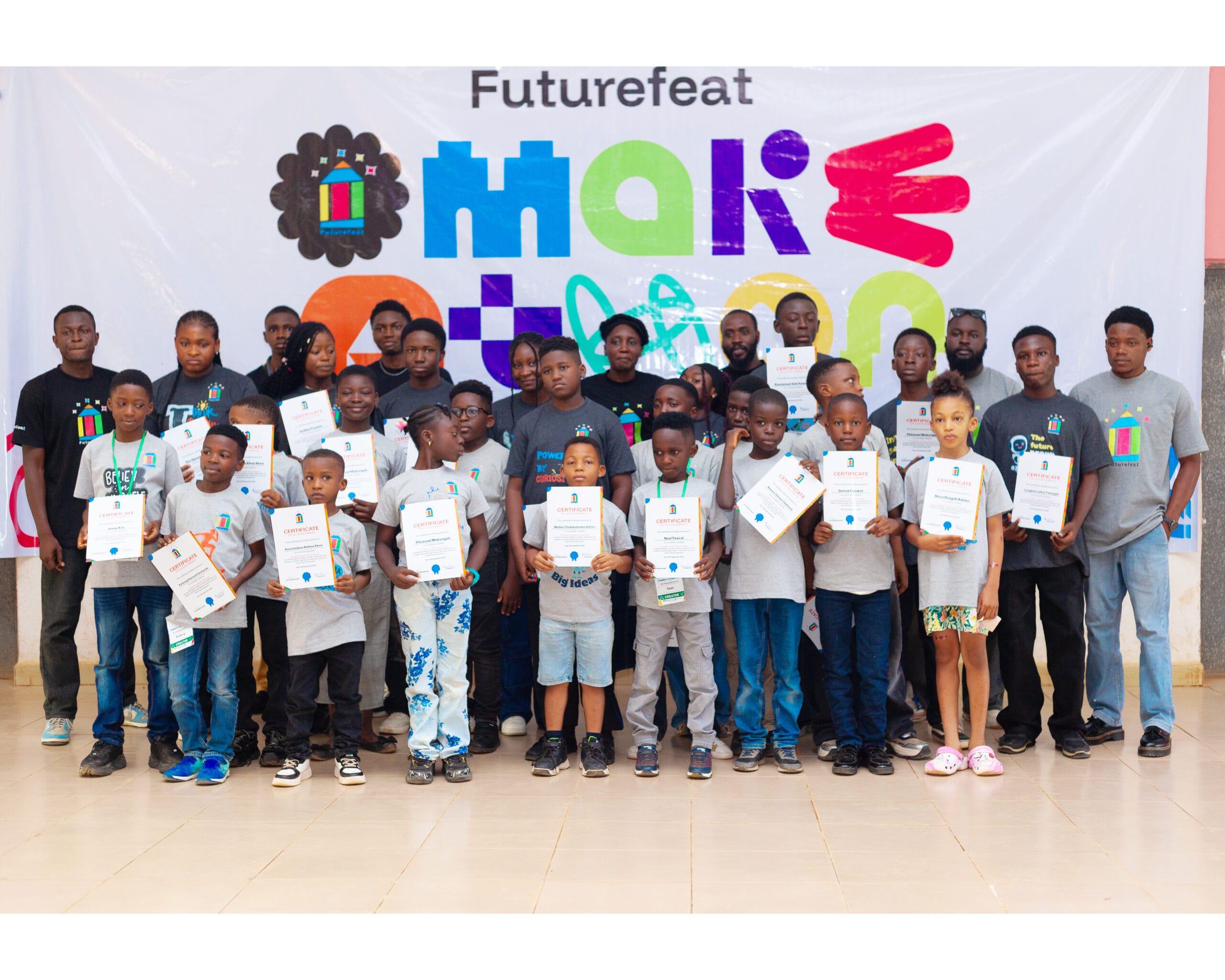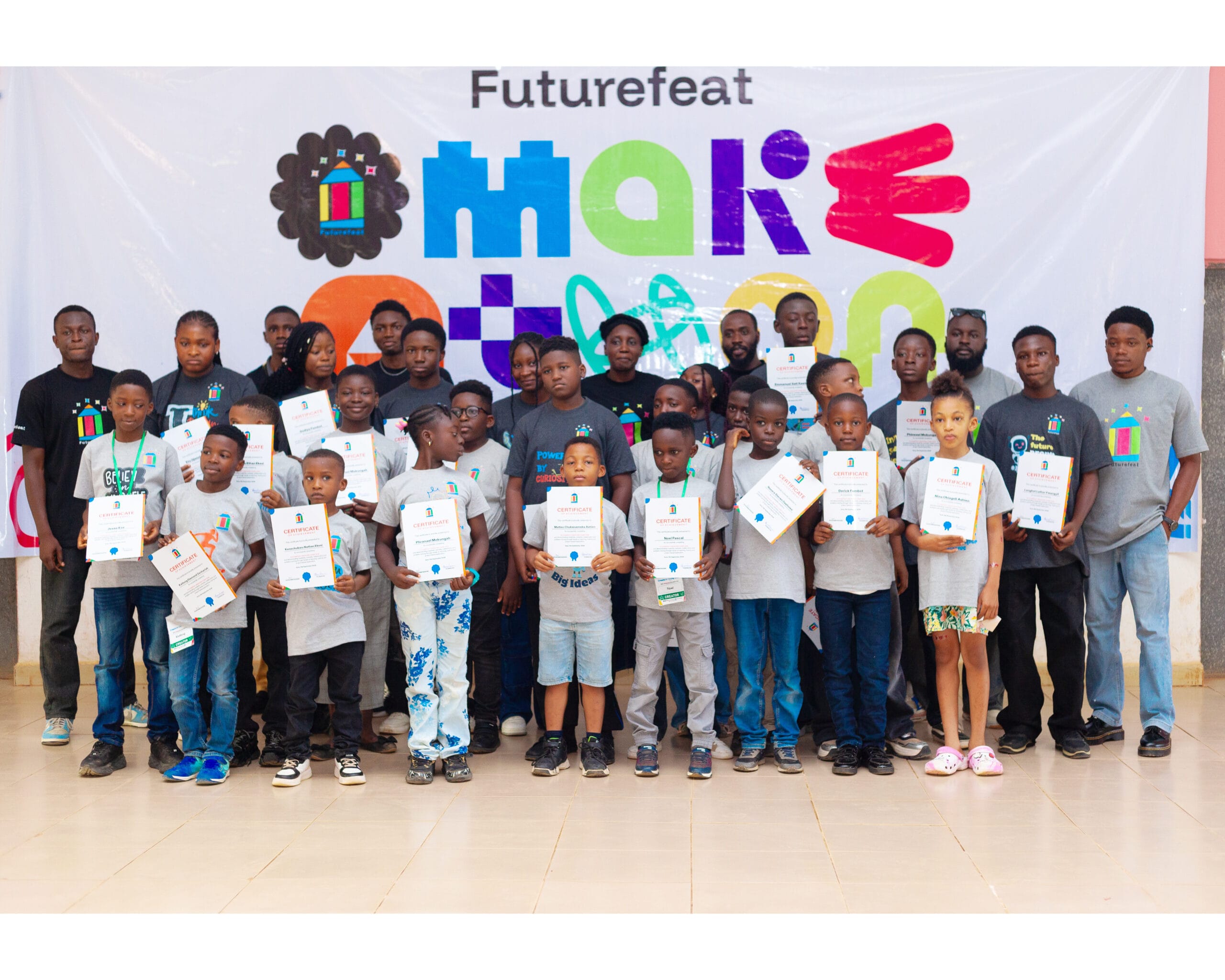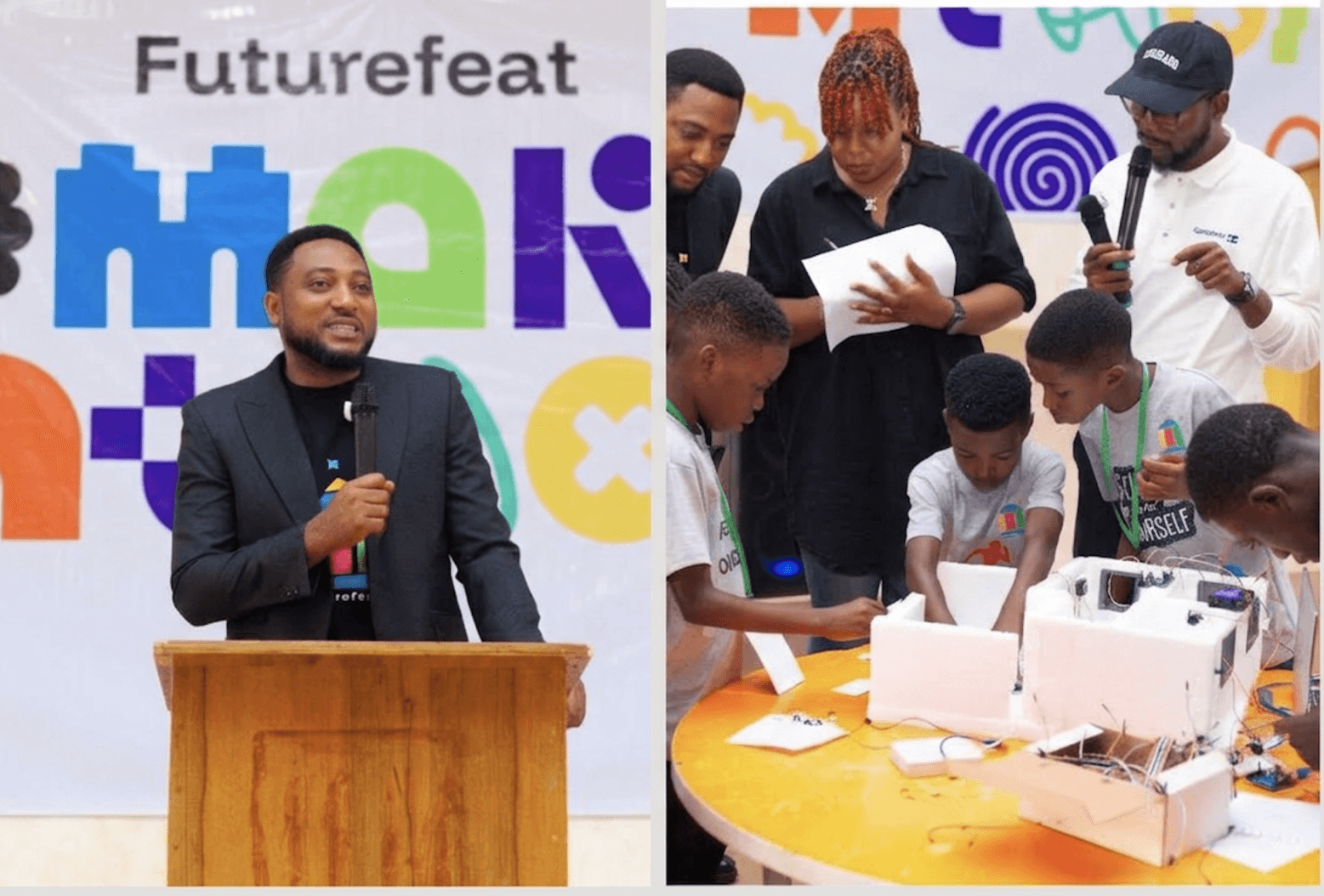
On September 5, 2026, 44 young innovators gathered at Adonai Vine School in Jos, Plateau State, for the Futurefeat 2026 Makeathon. Designed as an intensive hands-on experience, the event challenged participants aged 6 to 18 to transition from passive consumers of technology to active creators by building functional hardware, automation systems, and Internet of Things (IoT) prototypes under real-time constraints.
Rather than presenting pre-assembled models, participants engaged in live engineering, sensor testing, code debugging, and iterative problem-solving across three distinct age categories.
Hands-On Engineering Across Cohorts
The Makeathon structured its challenges according to technical capability and developmental stages, pushing creators to build functional solutions to real-world problems:
-
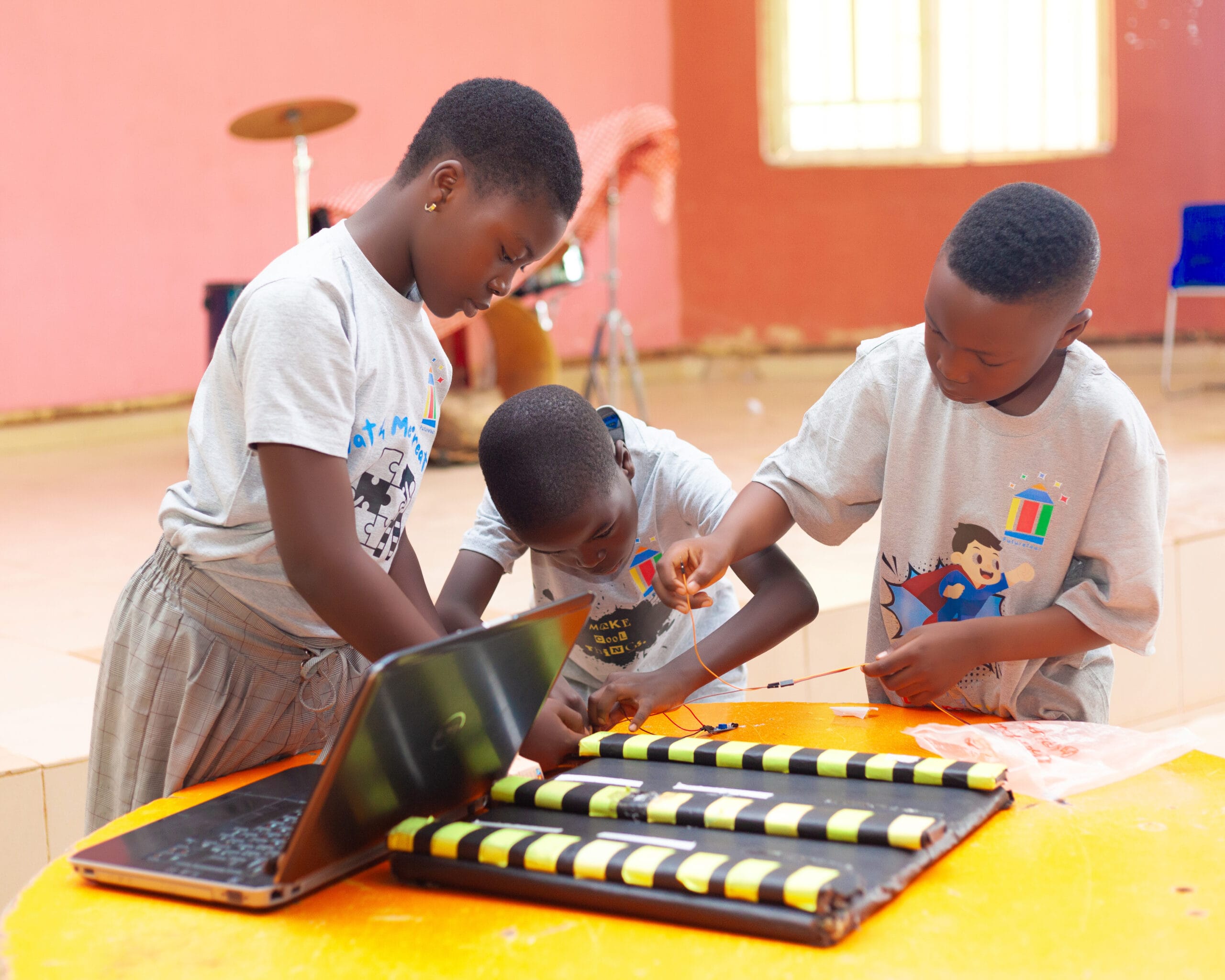
Junior Creators (Ages 6 to 10): Working in collaborative teams under a timed five-minute sprint challenge, junior builders constructed working models of smart bins, fire detection mechanisms, smart staircases, and automated parking lots. The smart parking system integrated proximity sensors and automated gates to monitor vehicle capacity, granting or restricting access based on real-time availability.
-
Intermediate Creators: Team cohorts collaborated on component-level engineering, designing integrated automation modules for smart building infrastructure and home automation systems.
-
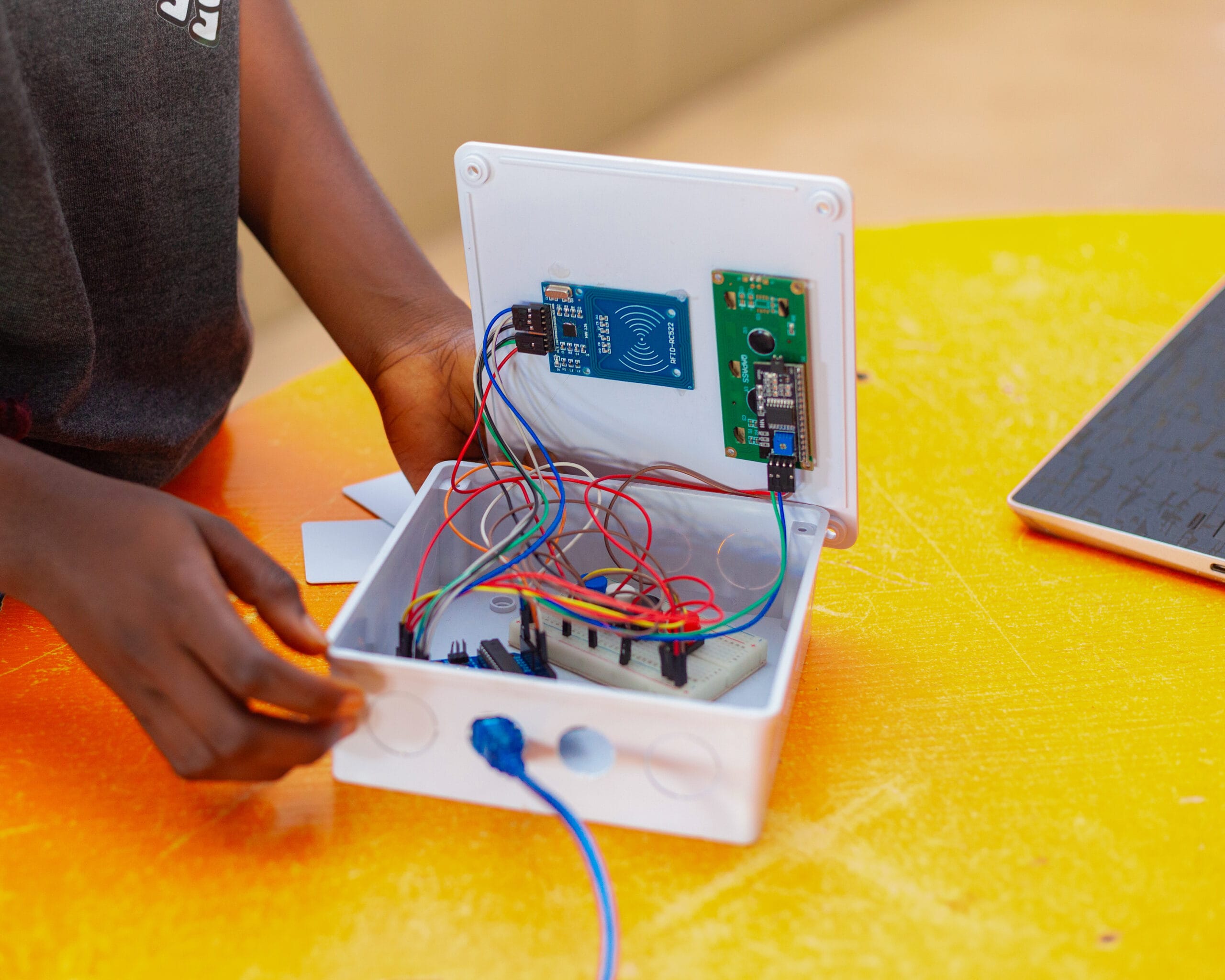
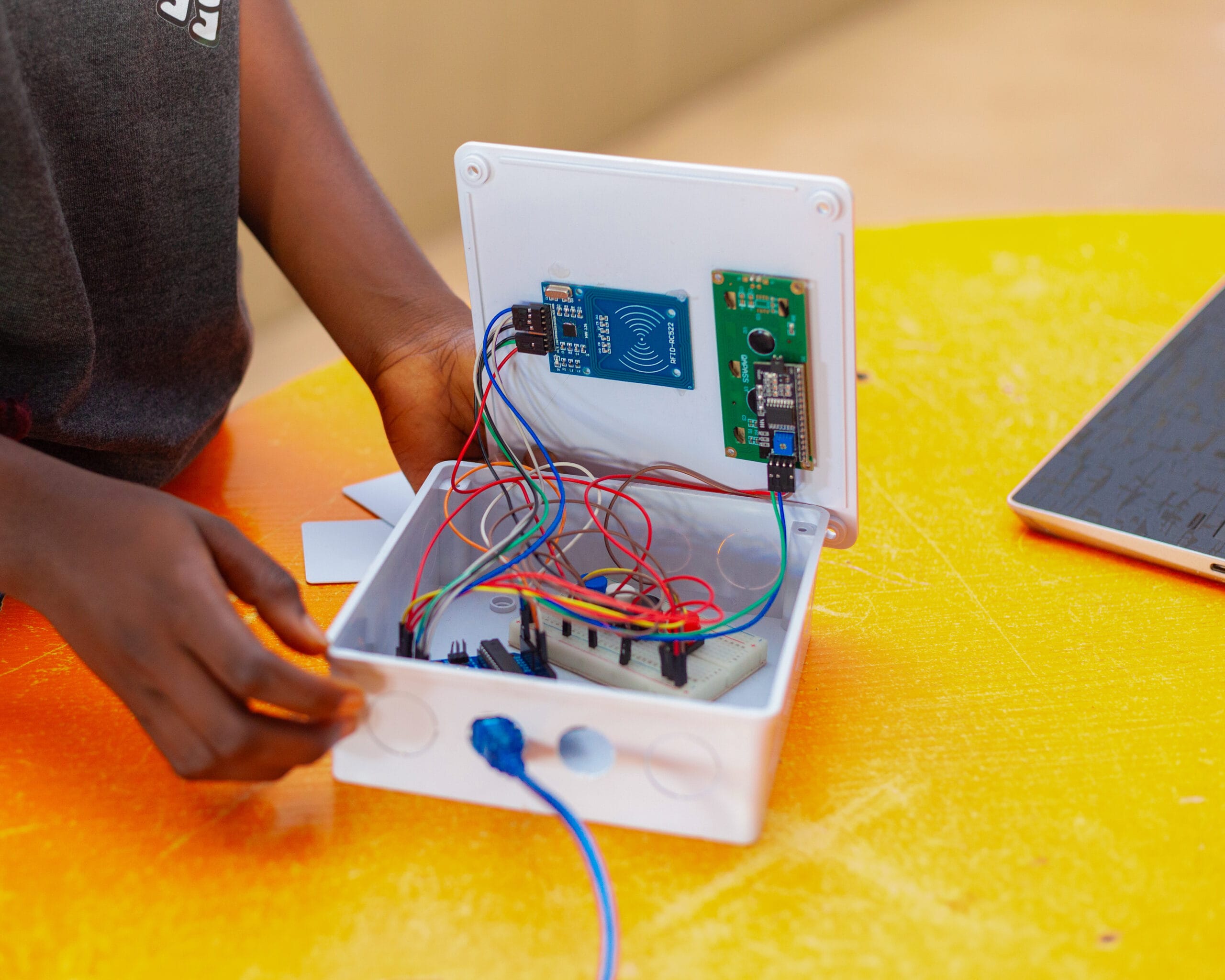
Teen Creators (Ages 11 to 18): Teenagers operated independently, pitching original hardware concepts to a panel of judges before executing the builds. Key individual builds included an automated water-tank level indicator with audible overflow alerts, an RFID-based smart attendance tracker, passcode-authenticated digital door locks, automated security systems, and smart wardrobe systems.
Real-Time Problem Solving and Mentorship Dynamics
A pivotal moment occurred during the junior cohort’s timed build challenge. When the five-minute timer expired with several projects mid-assembly, the judging panel made a deliberate decision to extend the building time, prioritizing experiential learning and creative momentum over rigid time limits.
Beyond hardware assembly, teenage participants defended their projects before judges, detailing component selection, system architecture, logic loops, and local utility.
During the welcome address, Futurefeat’s Founder, Moses Amama mentioned that the primary objective of the Makeathon extends beyond traditional technical execution. The curriculum emphasizes core problem-solving capabilities, rapid prototyping, cross-functional teamwork, and systematic troubleshooting, skills that provide long-term cognitive value across any career pathway.

Ecosystem Impact, Parental Engagement, and Growth Opportunities
The Makeathon provided parents and community members with direct visibility into applied STEM education, demonstrating how early exposure to robotics, sensors, and hardware coding demystifies technology for young learners.
At the conclusion of the event, top-performing participants were awarded tuition vouchers covering 25% to 100% of future Futurefeat Creators Camp admissions to support their technical development.
By combining low-barrier hardware tools, structured mentorship, and live prototyping environments, Futurefeat continues to build digital capacity and practical technology skills among youth across North-Central Nigeria.
Connect with Futurefeat
Follow Futurefeat across official channels to explore upcoming innovation camps, youth technology programs, and cohort showcases:
-
Instagram: https://www.instagram.com/futurefeatlab