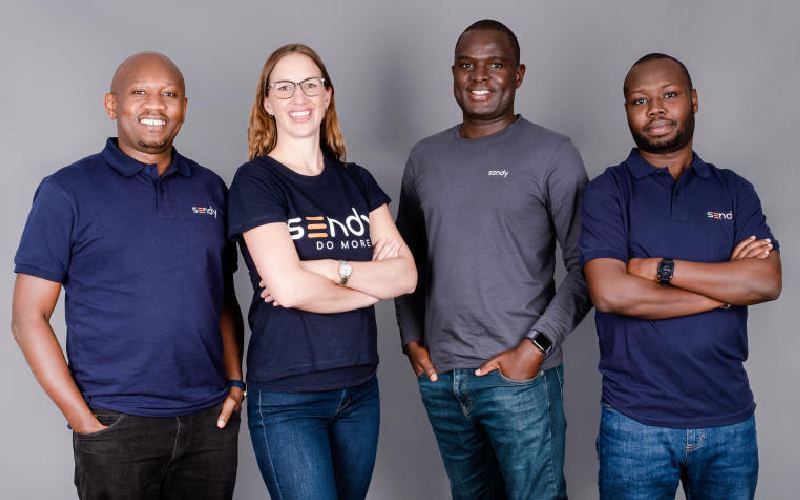
Sendy, a Kenyan logistics startup backed by Toyota Tsusho, burned through about $22 million, TechCabal reports. In September 2023, a court-appointed administrator took control after it failed to find a buyer.
Sendy matched drivers and trucks with businesses that needed to move goods, in Kenya and across East Africa. It grew fast, tried Nigeria, cut staff in 2022 and ran short of cash. Two firms that might have bought it reportedly walked away over its debts. Four lessons stand out for founders who build logistics and supply businesses.
It began in 2015. Co-founder Meshack Alloys and his team built a platform that connected drivers with businesses that needed deliveries, the Standard reports. Money followed. Sendy was one of the first start-ups to get money from Safaricom’s Spark Fund, a $1 million fund for growing firms. It raised a $2 million Series A in 2018, then a $20 million Series B in 2020 led by Atlantica Ventures, with Toyota Tsusho taking part. One report lists total funding of $26.5 million and a past value of more than $80 million. Another says it burned $22 million. We cannot reconcile those figures.
Here is how the story ran, as reported.
| When | What was reported |
|---|---|
| 2015. | Sendy is founded in Kenya. |
| 2018. | A $2 million Series A. |
| 2020. | A $20 million Series B, led by Atlantica Ventures. |
| Late 2021. | Sendy launches in Nigeria. |
| 2022. | Staff cuts begin, and a product line is dropped. Sendy hopes to raise $100 million but gets only part of it, from MOL PLUS. |
| February 2023. | It stops its fulfilment service in Nigeria. |
| August 2023. | Reports say Sendy is in talks to be acquired. |
| 20 September 2023. | PKF Consulting’s Peter Kahi is named administrator. |
| 19 October 2023. | Deadline for creditors to file claims. |
The slide started in 2022. Sendy planned to raise $100 million to enter Nigeria, Ghana, South Africa and Egypt, the Standard says. It got only a fraction, from MOL PLUS, the venture arm of Mitsui O.S.K. Lines, according to a report. That year it cut about 30 jobs, roughly 10% of a team of 300. Other reports put its 2022 cuts at 20% of Kenyan staff. It dropped a supply product and later left Nigeria, where it had launched about two years before the exit.
By 2023 the pressure was heavy. One report says talks to raise money at a valuation of $40 million to $60 million stalled after a key investor withdrew. It says Sendy ran out of cash and struggled to pay salaries for two to three months. TechCabal reports that its monthly burn peaked at $1 million. Sendy’s own clients also suffered. Dabafinance reports that its manufacturing and retail clients were hit by Covid lockdowns, travel limits, weaker spending and broken supply chains. Dabafinance names this as the cause of Sendy’s insolvency.
Buyers were weighed. Reports named Trella, Sabi, Wasoko and an existing investor as possible buyers. An insider told TechCabal that Sabi and Wasoko declined because of Sendy’s existing liabilities. Nothing was confirmed. Sendy did not comment on the sale talks.
Then came administration. On 20 September 2023, a notice named Kahi, who took over four Sendy companies. “The directors of the companies no longer have any power or authority,” he said. One report says the closure would affect more than 200 workers. We found no public count of Sendy’s debts.
So what is the lesson? Our reading is that there are four.
First, win at home before you go abroad. Sendy opened in Nigeria while it was still working on costs in Kenya. A new market adds staff, rules and delays. It is best to prove profit in one place first.
Second, watch the burn against real revenue. A monthly burn near $1 million is hard to cover when freight prices are thin. Founders should set a clear cash floor and act long before they reach it.
Third, your customers’ health is your health. Sendy’s clients were hit by lockdowns and weak demand. A logistics firm should spread its work across sectors, so that one slump does not empty its trucks.
Fourth, talk to buyers early. Reports say two possible buyers walked away because of liabilities. Cash that runs out first leaves buyers little to buy. A sale or merger is easier while a company can still pay its bills.
Why it matters: Moving goods is costly across East Africa, and firms like Sendy tried to make it cheaper. Its fall, like Copia’s, shows how hard it is to scale logistics on thin margins. For founders and investors, it is a reminder to back models that earn a profit on each trip before they chase new countries.
What to watch next: what the administrator does with Sendy’s technology and assets, and what creditors recover. Watch whether Trella, Wasoko and others take its customers. Watch how Kenyan logistics start-ups manage costs and debt. Watch whether investors keep funding freight platforms. And watch whether Sendy’s founders build again.
Sources: Dabafinance on Sendy entering administration, 27 September 2023; The Standard on Sendy entering administration; TechCabal on Sendy’s administration, September 2023; TechCabal on Sendy in talks to get acquired, 8 August 2023; Daily Brand on Sendy’s demise.
A note for startup founders: Don’t practice on investors. Practice on AI first. RaiseReady by Index Prima is an AI fundraising simulator for African founders: upload your pitch deck, get a readiness score and face a tough AI investor before the real meeting. Find this post, and every post we publish, at raiseready.indexprima.com.