First Circle Capital, a female-led venture firm, says it has closed its debut fund at $26 million. That is above its first target of $25 million.
The fund, First Circle Africa Fund I, will back early-stage fintech startups in Africa, with a focus on firms that build on AI from day one. It has already made 18 investments, the firm says.
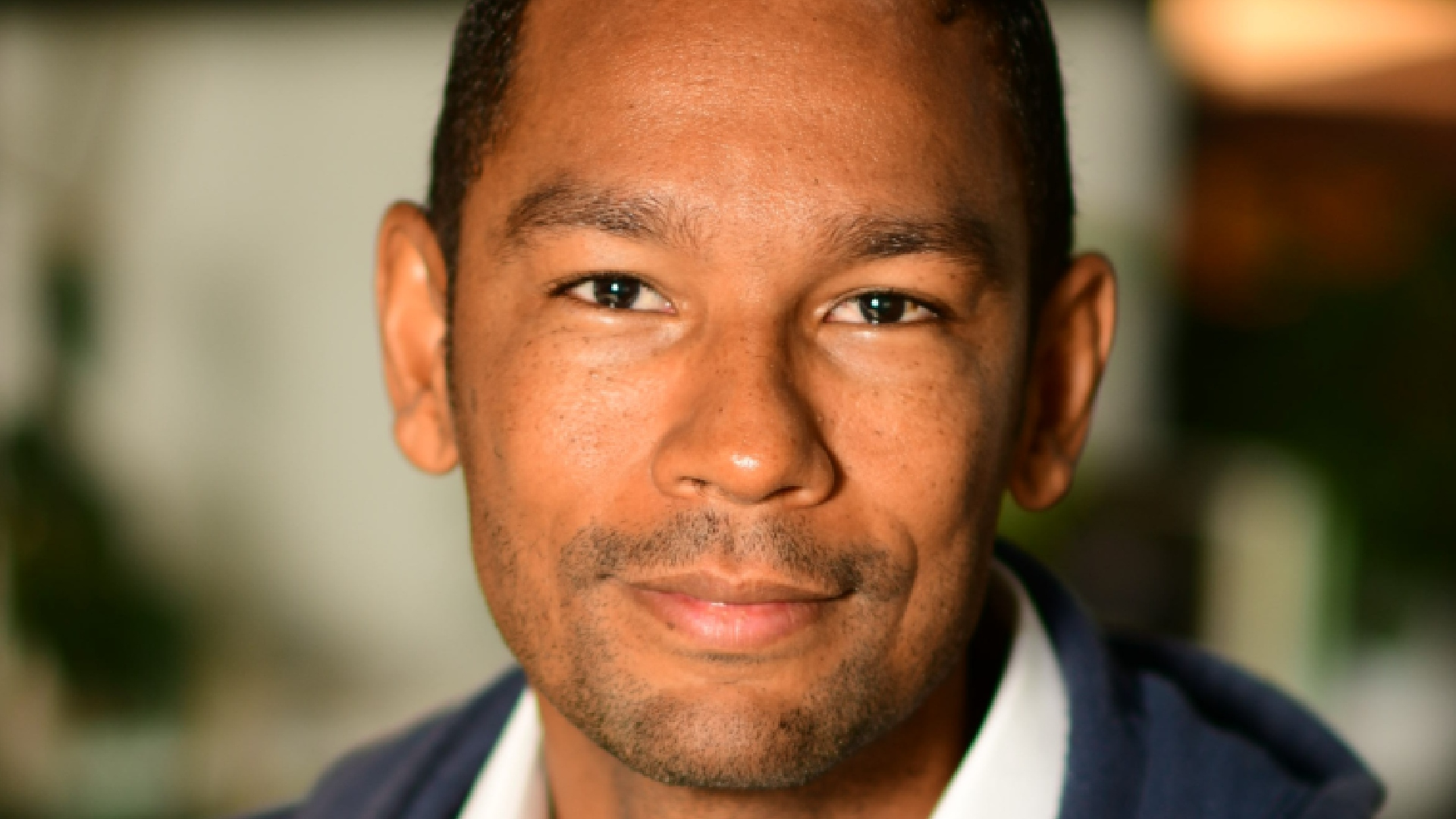
Here is the short version. The fund will invest in six areas: insurtech, alternative lending, payment systems, climate fintech, fintech software-as-a-service (SaaS) and regulatory technology. The firm calls its approach “FinTech 2.0”. It means tackling deep problems in Africa’s financial system, and not only building apps for everyday shoppers. Its backers include the International Finance Corporation (IFC), Bpifrance, Axian, the Dutch Good Growth Fund, Stellar Foundation and FSD Africa. Co-founder and managing partner Selma Ribica says the next generation of African fintech leaders will be those who solve what keeps people out of financial services.
Here is the fund at a glance.
| Item | Detail |
|---|---|
| Fund. | First Circle Africa Fund I. |
| Size. | $26 million, against a first target of $25 million. |
| Stage. | Early stage. IFC described it in 2025 as pre-seed and seed. |
| Focus. | Insurtech, alternative lending, payments, climate fintech, fintech SaaS and regtech. |
| Investments so far. | 18 companies across Africa. |
| Backers. | IFC, Bpifrance, Axian, the Dutch Good Growth Fund, Stellar Foundation and FSD Africa. |
| Not stated. | Cheque sizes, how many more startups it will back and the fund’s life. |
What does AI-native mean here? Ribica says the fund wants startups that use AI, automation and data from the start, and do not add them later to old systems. The firm believes such companies can cut the cost of delivering financial services, work more efficiently and reach more customers. “Founders now have the opportunity to build financial businesses around automation, intelligence, and software from day one,” she said. That, she added, changes the economics of delivering financial services in African markets.
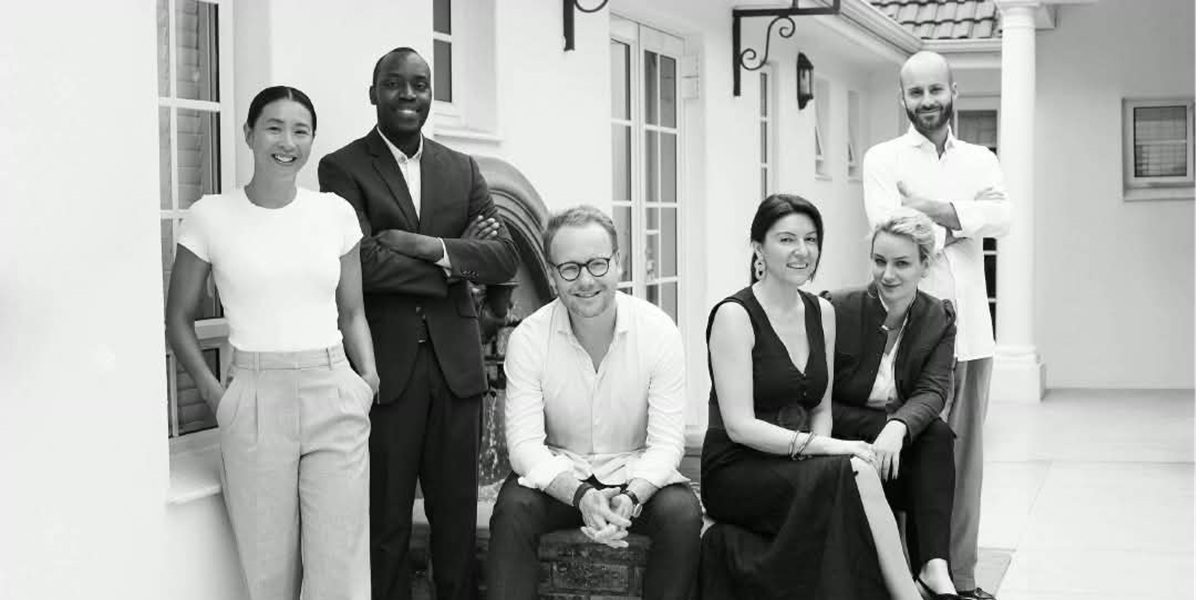
Who is behind it? Ribica has a background with M-Pesa, where she helped grow services and design products. She later founded a fintech company in London to serve underbanked migrants. IFC’s 2025 announcement names a second co-founder, Agnes Aistleitner Kisuule, and says the firm works mainly from Casablanca and Kampala. It also says the fund uses a gender-smart approach, with goals for women-founded or women-led fintechs.
The portfolio gives a sense of the bets. TurnStay in South Africa builds cross-border payment tools for travel businesses. WafR in Morocco digitises transactions through neighbourhood shops. Orca Fraud uses AI to spot fraud. Scale offers cards as a service. And Balad, in Egypt, builds remittance infrastructure. These are the firm’s own descriptions, as reported by Technext.
The fund has grown in steps. In May 2025, IFC said it would invest up to $6 million, and listed a target of $25 million with a hard cap of $30 million. At that time the firm had made 13 investments in seven countries. FSDAi’s Nyala Facility had earlier committed $1 million. The latest list of backers also includes Bpifrance and Axian, and the count of investments is now 18. So the fund closed above its target but below its cap.
The timing is tricky. Technext says African startups raised $2.17 billion in the first ten months of 2026, with fintech taking the largest share. But other data paints a gloomier picture. Africa: The Big Deal, as reported by Nairametrics, counts $2.4 billion for January to October 2026, down 12% from a year earlier. It says October brought just $183 million, down 58% on October 2025. It also says 343 startups raised at least $100,000 this year, against 438 last year. The two totals use different counts, so treat them as ranges. Technext adds that fintech deal volume fell 33% in the first quarter of 2026 even as deal value rose. That means investors are backing fewer firms with bigger cheques.
That is the case for a fund like this. Early-stage money is tight, and many founders struggle to find a first cheque. A $26 million fund spread over 18 or more startups will likely write small cheques, so it will not rescue the market. But it can help a founder get started and prepare for a larger round. First Circle says it will support portfolio firms with follow-on fundraising, investor introductions and business partnerships.
Why it matters: Africa’s financial system still has gaps in insurance, credit and payments for small firms. A fund that backs the infrastructure behind those services, and not only consumer apps, aims at the roots of the problem. It is also led by women. The open question is how much value AI will add to young fintechs, and whether lower costs reach customers as lower prices.
What to watch next: which new startups join the portfolio, and how large the first cheques are. Watch how many portfolio firms raise follow-on rounds in 2027. Watch whether more fund managers close funds above target in a tight market. Watch how many women-led fintechs the fund backs. And watch whether regulators in Nigeria, Kenya and Egypt set rules for AI in lending, fraud checks and payments.
Sources: Technext, “First Circle Capital closes $26m fund to back AI-powered African fintech startups”, November 2026; LaunchBase Africa on the close, 18 November 2026; LaunchBase Africa on IFC’s backing of First Circle Capital, 12 May 2025; Nairametrics on African startup funding in October 2026, 6 November 2026.
A note for startup founders: Don’t practice on investors. Practice on AI first. RaiseReady by Index Prima is an AI fundraising simulator for African founders: upload your pitch deck, get a readiness score and face a tough AI investor before the real meeting. Find this post, and every post we publish, at raiseready.indexprima.com.