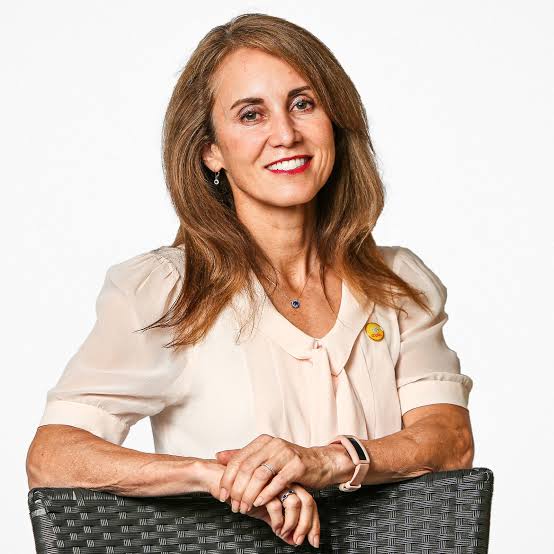
Adeyinka Aderoju took her first tech course about three years ago, and at 63 she is the founder of Meno Haven, a menopause support platform for Nigerian women. Her idea won ₦1 million at FemNest Lab, a programme for women building health and family technology.
Meno Haven has a mobile app, a website and a WhatsApp community of about 500 women. Her story is a lesson for any founder who thinks they started too late, or who thinks a big idea needs a big team.
Here is the short version. Aderoju serves women aged 45 to 65 who are going through perimenopause and menopause. She says the platform is a safe space to talk about symptoms, get expert advice and find peer support without judgement. She still holds a day job and runs a market research firm. She planned to build the first version on a no-code tool. FemNest Lab is an initiative of Heels & Tech, the Nigerian EdTech group founded by Bisola Alabi. Aderoju told Technext she found the pitch call through her course, took part in a short incubator and won an innovation prize.
Here is the story at a glance.
| Item | Detail |
|---|---|
| Founder. | Adeyinka Aderoju, 63. |
| Product. | Meno Haven, a menopause support platform. |
| Parts. | A mobile app, a website and a WhatsApp community of about 500 women. |
| Users. | Women aged 45 to 65 in perimenopause or menopause. |
| Prize. | ₦1 million, won at FemNest Lab. |
| Programme. | FemNest Lab, an initiative of Heels & Tech. |
| Not stated. | Revenue, app downloads, a pricing plan and who her expert advisers are. |
How did she start? Aderoju says she took courses about three years ago to explore interests beyond her long-standing work. A pitch opportunity advertised through the programme caught her eye. She pitched her idea for women going through menopause. Before the pitch, she joined an incubator of about two weeks, with classes and mentoring from women who had built platforms themselves. They showed her how to build a pitch deck, what to put in it and what to expect afterwards. Sessions often began at 7 or 8 pm and sometimes ran to 11 pm or midnight, particularly when each person had to present to a panel. She says it was not hard, only inconvenient. FemNest Lab’s first cohort had four women. Their projects included Meno Haven, an AI tool to spot breast cancer early, reproductive care for rural communities, and health lessons for girls in school. Heels & Tech says the next cohort will go through a six-week incubator.
Why menopause? Aderoju says it is widely misunderstood in Nigeria, across Africa and around the world. Many women do not know what is happening to them, because information is scarce. She says it is often treated as shameful or as the end of a woman’s life, when it is only a stage of life. It is not a disease, she says, and not an attack from “village people”. Public awareness often stops at hot flushes and brain fog, she says. Other symptoms go unlinked, such as sweating, poor sleep, hair loss, skin problems and painful sex. Because some of these are private, women often stay silent. That can leave them isolated, distressed and low in mood, she says.
She gave one example of the cost. A woman, she says, spent ₦500,000 on a prayer-based fix for sleeplessness that was in fact a symptom of menopause. “People must be aware,” she said. We cannot confirm the story, and it comes from her alone. She also says menopause does not always start at 50. Some women reach it around 35 or earlier, because of surgery, medicines or other health problems. Women who worry about symptoms should speak to a doctor.
The wider need may be large. In a report by The Guardian Nigeria, the Meno Haven group says more than 20 million Nigerian women are in the menopausal transition. That is the group’s figure. It also held health walks around World Menopause Day in Lagos, Abuja, Jos and Port Harcourt. They were called “Steps That Break the Silence” and included talks and wellness checks.
Her plans go beyond the community. She wants to teach employers and HR teams how to support women at work, so that they are not pushed out. She notes that many women hold senior and board roles in their 50s and 60s. She points to large firms in the UK that display a badge saying they are menopause friendly. That points to a possible second line of work, selling training to firms. She has not said whether she will charge for it.
Then there is age. Aderoju says she doubted herself more than anyone else did. She turned 60 during her course. When classmates learnt her age, some stopped using her first name and began calling her “Pastor” or “Mommy”. She wondered if she belonged among young people. But the organisers and her peers pushed her on, and the judges reacted warmly. Some of the people in the pitch room were learning about menopause for the first time, she says. One panellist said she was so impressed that she would introduce Aderoju to her own mother. “They made it so easy for me,” she said.
What would she change? She says tech should not be sold as something only for the young. She wants older women to appear more often in adverts, events and outreach, with a clear message that people can learn technology at any age. Her guiding belief is that “nothing is impossible.” In her view, it is inactivity, not age, that limits people.
There are lessons here for founders. Start with a problem you know from your own life. Use no-code tools to test an idea before you hire developers. Build a community first, and let it tell you what to build. Practise your pitch with people who have done it before. And do not let the room’s average age decide who gets to speak.
Why it matters: Menopause is a topic many African families rarely discuss, so a platform that lets women ask questions in private can fill a real gap. Aderoju’s story also challenges the idea that founders must be young. The catch is the business side. The reports give no revenue, no plan to charge, and no data on health outcomes. A ₦1 million prize helps, but it will not fund a full health product. She will need partners and clear rules on health advice.
What to watch next: whether Meno Haven names its health experts and sets out how it protects members’ private data. Watch whether the community grows beyond 500 women. Watch whether she signs employers for menopause training. Watch whether FemNest Lab’s second cohort brings more women in midlife. And watch whether investors and health groups start to back platforms for women’s midlife health.
Sources: Technext, “Meet Adeyinka Aderoju, the 63-year-old techie who won ₦1m with her menopause support platform”; Technext on FemNest Lab’s six-week incubator, 26 October 2026; The Guardian Nigeria on menopause awareness walks.
A note for startup founders: Don’t practice on investors. Practice on AI first. RaiseReady by Index Prima is an AI fundraising simulator for African founders: upload your pitch deck, get a readiness score and face a tough AI investor before the real meeting. Find this post, and every post we publish, at raiseready.indexprima.com.