For 48 hours, developers, designers and problem-solvers in Jos are building software for the people who grow Nigeria’s food. HackJos 2026, run by nHub, is officially under way.
The hackathon runs from 4 to 6 November 2026 in Jos, Plateau State. Teams are building tools for Nigeria’s farms, markets and food supply, with mentors on hand to help them. In a state known for potatoes and vegetables, the theme could hardly be closer to home.
HackJos is billed as Nigeria’s leading challenge-driven hackathon and technology conference. This is its eighth edition. nHub, which calls itself Northern Nigeria’s first innovation hub, started it in 2015. The 2026 theme is using technology to solve problems across the agricultural value chain. That chain runs from the seed in the ground to the meal on the plate. Organisers have set four challenge tracks.
| Track | Focus |
|---|---|
| Smart Farming and Climate Resilience. | Tools for farms facing a harsher climate. |
| Market Access, Trade and Agricultural Value Chains. | Better links between farmers and buyers. |
| Agri-Finance and Farmer Inclusion. | Money and services for people left out. |
| Food Systems, Processing and Post-Harvest Innovation. | Less waste after harvest. |
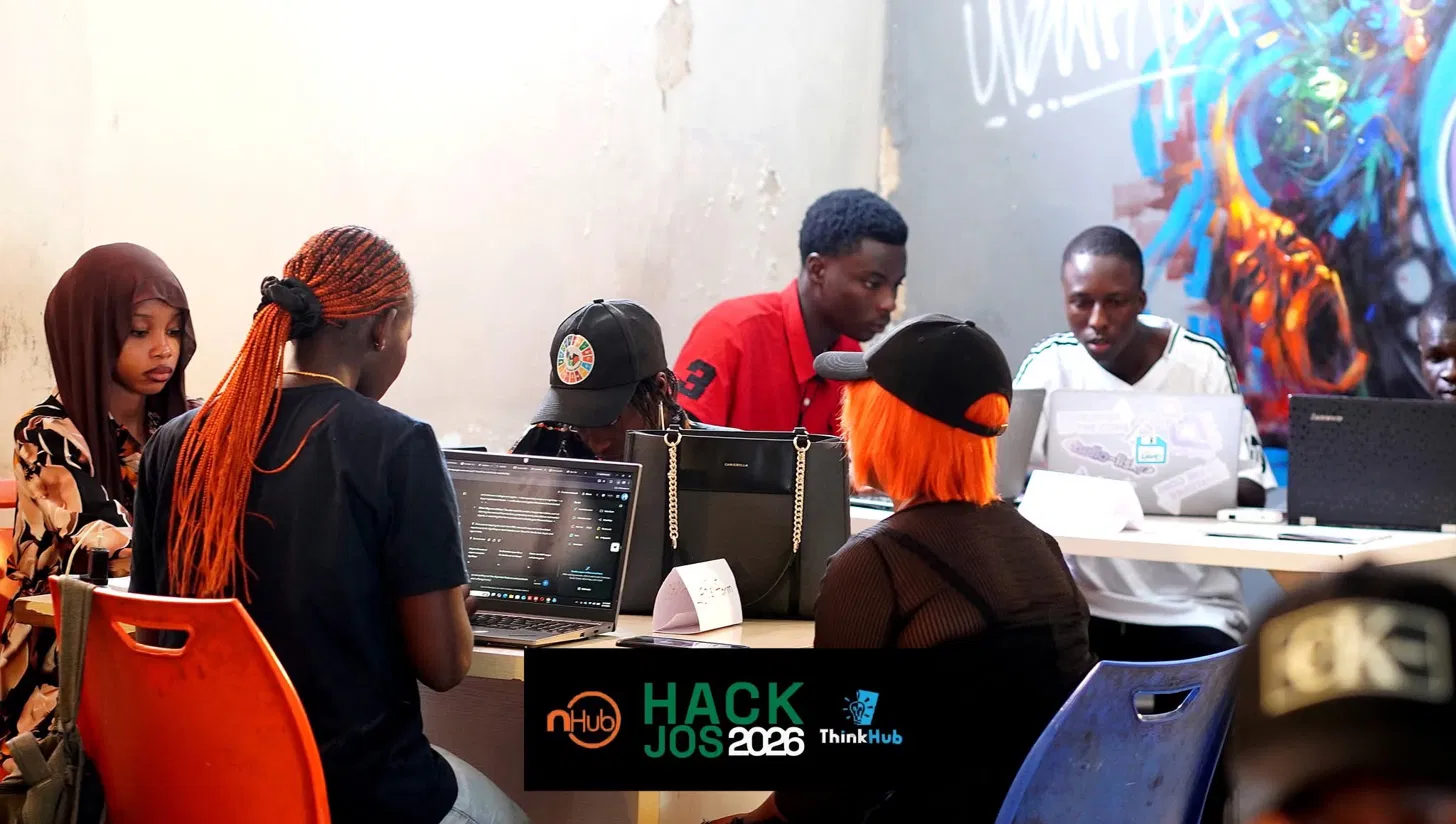
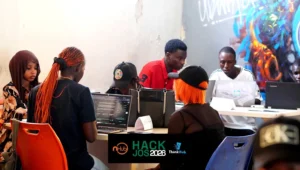 Photos from the event show participants hard at work on laptops under the “nHub | HACK JOS 2026 | ThinkHub” banner. The mix of builders, mentors and collaborators is the point. A hackathon is a race, but it is also a classroom.
Last year’s edition shows the format. HackJos 2025 ran from 10 to 12 November under the theme “Igniting MSME Growth Through Innovation.” It paired a 48-hour build with a summit on the final day. Teams made early working products, called minimum viable products (MVPs), for small businesses. Its convener, nHub CEO Theodore Longji, called it “not just the beginning of another hackathon.” The same pattern, a build followed by talks and mentoring, is the one to expect this year.
Why farming, and why Jos? Plateau is Nigeria’s potato heartland. The African Development Bank’s potato programme has said the state produces about 90% of the country’s potatoes. The problem is what happens after harvest. One study found that more than 40% of stored seed potatoes were lost within three months because of poor storage. Many farmers sell table potatoes right after harvest at low prices because they cannot store them. That is a software and logistics problem as much as a farming one.
The state is also pushing hard on its own. In July 2026, Governor Caleb Mutfwang commissioned a potato value chain project in Mangu. It includes a tissue culture laboratory for clean seed, 118.4 km of rural roads, nine community markets and three processing plants. Officials call it a potato revolution. Founders who build tools that match this push, such as storage tracking, price alerts and farmer payments, will find a ready audience.
Why it matters: Agriculture is where Nigerian tech can reach the most people. Farmers lose income when crops spoil, when buyers are far away and when credit is out of reach. Those are problems that code can ease. HackJos puts young builders in the same town as the farmers, the markets and the policy push. For founders, a hackathon is also a cheap way to test an idea, find a co-founder and meet mentors. The best teams will leave with more than a certificate. They will leave with a prototype and a first set of users to call.
Before you go: The build is under way, so watch the nHub Nigeria pages for updates, pictures and results. If you missed this year’s edition, start planning now. Pick a real problem you have seen, such as post-harvest loss or farm credit. Find a teammate who can design, and one who can code. Talk to a farmer before you write a line of code. Then keep an eye out for the next call for entries, and be ready to say who your first customer would be.
Sources: nHub Nigeria posts on Facebook on HackJos 2026, November 2026; IT Edge News Africa on HackJos 2026; IT Edge News Africa on HackJos 2025; ThisDay on Plateau’s potato value chain projects; Daily Trust on post-harvest losses among Plateau potato farmers.
A note for startup founders: Don’t practice on investors. Practice on AI first. RaiseReady by Index Prima is an AI fundraising simulator for African founders: upload your pitch deck, get a readiness score and face a tough AI investor before the real meeting. Find this post, and every post we publish, at raiseready.indexprima.com.