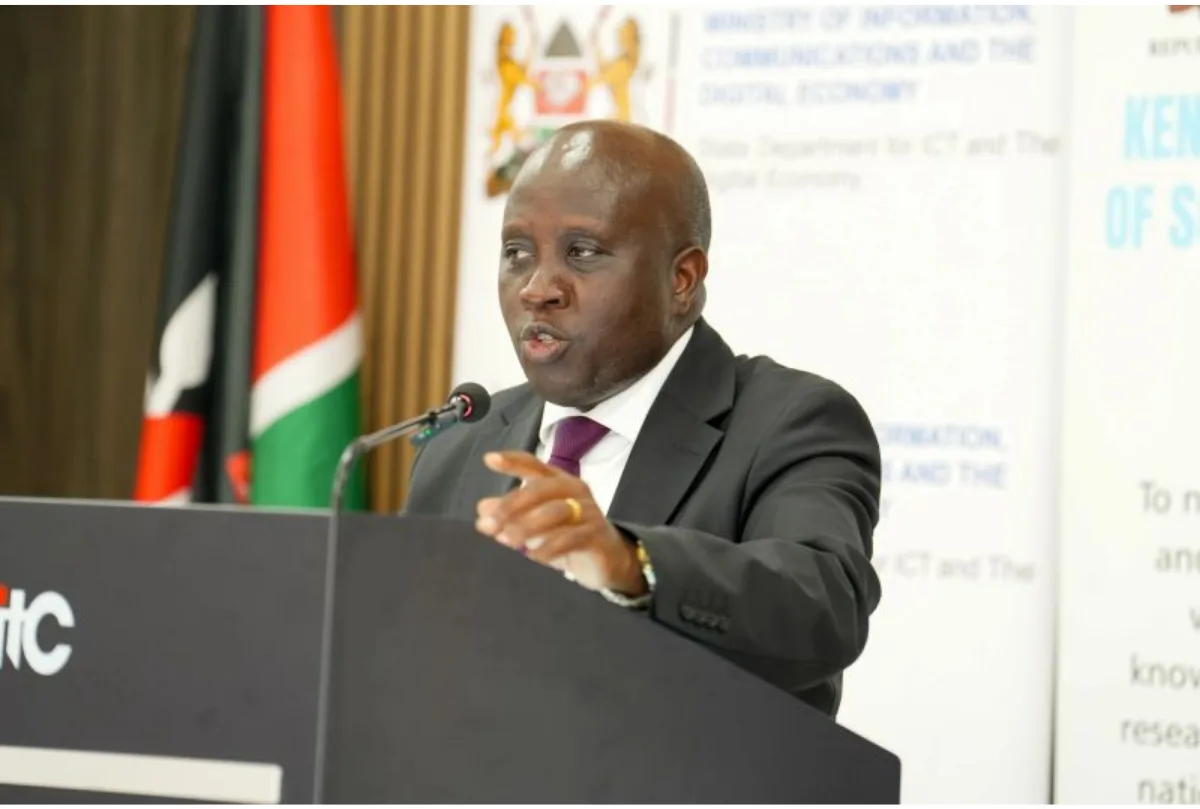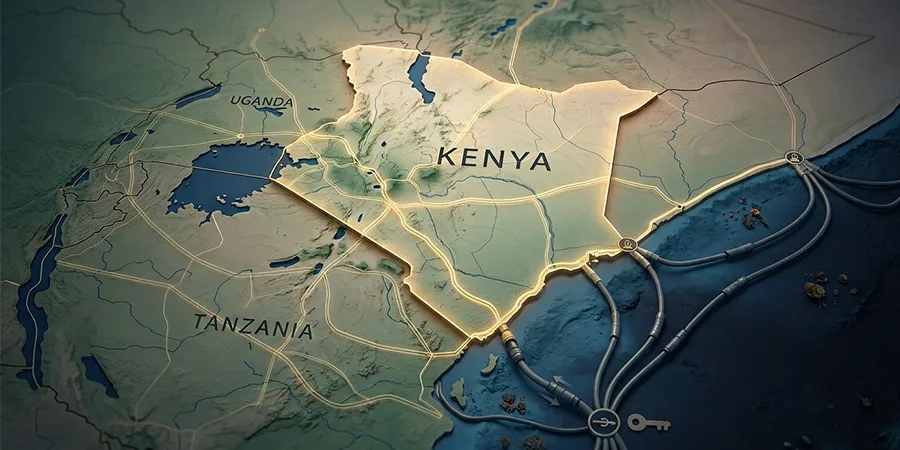
A coalition of infrastructure and investment firms unveiled the LuLu Coastal Cable System at ITW Africa 2026 in Nairobi on September 9, giving Kenya’s Indian Ocean coastline its first fully protected submarine cable network. LuLu runs 500 kilometres along the coast, linking five strategic landing points from Mombasa to Lamu, including the Vipingo Special Economic Zone, Kilifi, and Malindi, and it’s designed around a genuinely different level of resilience than a typical coastal cable offers.
What makes LuLu “fully protected” is its dual-path architecture. Rather than relying on a single submarine cable running along the seabed, the system pairs that undersea cable with a parallel, protected terrestrial route running alongside it on land, using Dense Wavelength Division Multiplexing technology to carry the actual traffic. If one path is damaged or disrupted, whether by a ship’s anchor offshore or construction work inland, the other keeps the connection alive, delivering the kind of redundancy that international cable systems, data centre operators, and large enterprise customers now treat as a baseline requirement rather than a nice-to-have. Mombasa’s landing point gives LuLu immediate access to the global internet backbone too, since existing international submarine cables already terminate there, meaning the new coastal system isn’t starting from zero on connectivity, it’s extending an already-connected hub further up and down the coast.
The project brings together a genuinely varied consortium. INDOI Ltd, a Mauritius-headquartered ICT infrastructure developer known by the acronym IOX, serves as LuLu’s developer, owner, and commercial operator. Blue Trade Investments Limited, a Kenya-registered firm, acts as the local landing party, regulatory interface, and operational delivery partner, drawing on established relationships with Kenyan regulators, coastal communities, and government institutions to actually get the project built on the ground. ARISE Integrated Industrial Platforms, which develops and operates the Vipingo Special Economic Zone specifically, AfriTrade Consulting Group, and Kingdom Bank round out the partnership. INDOI founder and CEO Arunachalam Kandasamy framed the launch as the culmination of a long-standing ambition, describing Kenya’s coastal corridor from Mombasa to Lamu as one of the most commercially compelling stretches of coastline anywhere, one that has never before had a single, unified, fully protected digital infrastructure system built specifically for it.
The Vipingo SEZ connection is where this cable’s economic impact gets genuinely interesting beyond the technical specs. Direct submarine connectivity is expected to open the zone to investment well beyond the traditional manufacturing it’s known for, making it a realistic location for hyperscale data centres, cloud provider nodes, business process outsourcing campuses, fintech and payments platforms, cybersecurity operations, and IoT-driven smart manufacturing, industries that all depend on exactly the kind of low-latency, high-reliability connectivity LuLu is built to provide. George Olaka, ARISE IIP’s country head in Kenya, described the ambition plainly, framing the zone as a platform where industry, logistics, value addition, and digital infrastructure are meant to reinforce each other rather than developing in isolation.
For Kenya’s coastal economy, a region that has historically had to rely on Mombasa alone as its digital gateway to the rest of the world, LuLu represents a meaningful shift toward genuine redundancy and reach along the entire 500-kilometre corridor. Whether that translates into the kind of data centre and BPO investment Vipingo SEZ is hoping to attract will depend on execution well beyond this announcement, but the fundamental physical infrastructure gap the project is targeting, a coastline full of economic potential with no protected, purpose-built digital backbone connecting it, is now a considerably smaller one than it was before September 9.