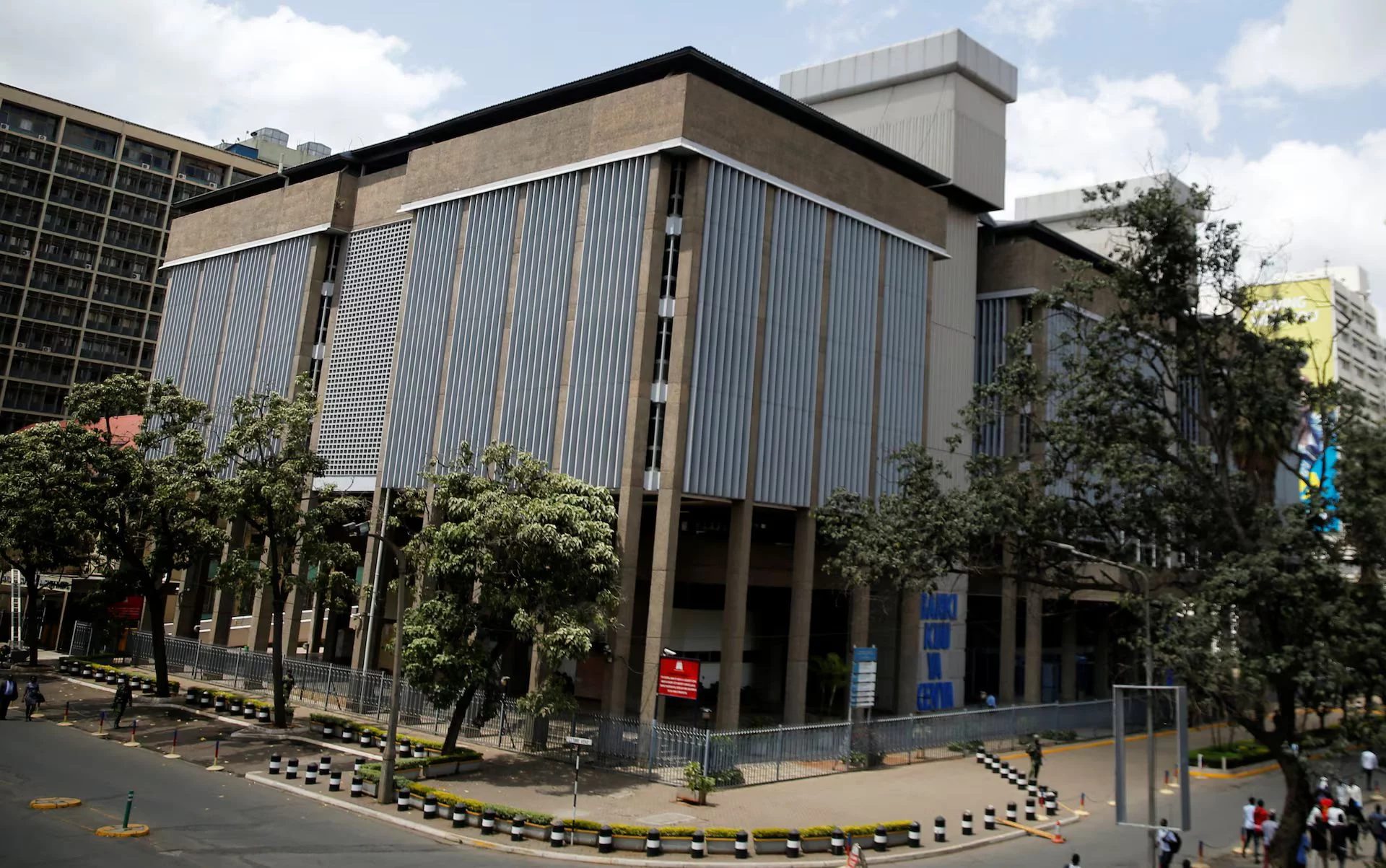
Kenya’s central bank is asking for a power that few fintech founders think about until it is too late: the ability to take control of a struggling payments company, push out its owners and sell the business before it collapses. The power sits in the draft National Payment System Bill, 2026, which the National Treasury and the Central Bank of Kenya (CBK) published for public comment. The bill would repeal and replace the National Payment System Act of 2011. It is a proposal, not law, and public comments closed on October 9, and we found no announced timetable for the next step.
Read the bill itself and the mechanism is clear. Section 21 lets CBK intervene when a payment service provider or payment system operator fails its obligations to customers, defaults to other providers or the central bank, ignores a CBK directive, breaches the Act, or when a crisis threatens financial stability and public confidence. CBK could then appoint a statutory manager, remove officers, appoint a director, restrict new payment business and stop the firm from appointing new agents. A statutory manager would serve for up to 12 months, with a further 12 months only if the High Court approves. Under section 25, the manager could take possession of assets and sell the business undertaking, and the directors’ powers would cease unless the manager allows them to continue. The bill also lets CBK take control of assets to protect customer money for up to 90 days when a licence is suspended or revoked.
The part that matters most to customers and merchants is that intervention does not guarantee access to money. The bill allows the manager to suspend payments, spread them equally across creditors, and pause limitation periods, and proceedings against the provider would need the court’s permission. In other words, the draft is aimed at preserving a business with assets worth saving and at containing losses, but a user whose wallet is at the troubled firm could wait. That is why the bill’s safeguarding rules matter alongside it: e-money issuers and wallet providers would have to hold all customer money in a trust account at a licensed bank or microfinance bank, keep the balance always sufficient to cover what customers are owed, invest it only in Kenyan government securities or interest-bearing trust accounts, and not move it into the company’s own operating account. The draft also says trust funds cannot be attached for the provider’s debts or used for its insolvency liabilities, and no more than the higher of KSh 500 million or 25% of trust funds may sit in a single bank.
For founders, the licensing side may be as important as the rescue powers. The bill sets 10 licence categories, six for payment service providers and four for operators, with minimum capital of KSh 5 million for payment initiation and account information, KSh 50 million for e-wallets and merchant acquiring, and KSh 250 million for e-money issuers. Holders of more than one licence would need the highest category’s capital plus 50% of the capital for each extra category, so an e-money issuer that adds merchant acquiring would need KSh 275 million, according to a fintech analyst’s worked example. The bill also provides a regulatory sandbox, would allow foreign companies to apply, and would require CBK approval for ownership changes of 10% or more, according to Bowmans, a law firm. It would require firms to build systems for consent-based data sharing, which the Treasury calls open finance. The Bowmans analysis notes that the one-year transition period does not deem existing licences valid, so current licence holders may need to re-apply under the new categories. We have not checked that point against the bill’s final wording, so confirm it with a lawyer.
The article that prompted this post says the bill would resolve a legal grey area that slowed fintechs and let banks and telcos dominate. The licence categories in the draft do give non-bank startups a clearer route, but the capital requirements are steep for smaller firms, and whether the bill will widen or narrow competition is an argument, not a fact. Penalties are significant too: administrative fines of up to KSh 20 million for providers, up to KSh 3 million for officers, and criminal penalties that include imprisonment for individuals.
CBK has used takeover-style powers before, though not under this bill. In October 2021 it revoked the licence of Mobile Pay Limited, which operated as Tangaza, for failing to remedy regulatory breaches and file required compliance reports, including audited accounts, according to Business Daily. The article also refers to Imperial Bank’s receivership in 2015 and Chase Bank’s receivership in 2016, when Chase reopened under KCB’s management, and says 75% of Chase’s deposits were later transferred to SBM Bank. We confirmed the Chase reopening but could not confirm the other dates and figures from the pages we could open, so treat them as the article’s account. Banks and payment firms are different businesses, so these cases show the range of options a regulator has used, not how a payments rescue would play out.
The practical lessons are plain. Founders running wallets or money transfer services should check that their trust account arrangements, bank concentration and reporting would meet the draft’s rules, because those are the first things a regulator would examine. Investors should treat a statutory manager as a real possibility that could remove their influence over a firm, and customers and merchants should keep balances in wallets low and settle sales proceeds promptly. What to watch next is the version CBK and the Treasury send to Parliament, whether the capital thresholds and the stacking rule change after public comment, and how long existing licence holders are given to comply.
Sources: National Payment System Bill, 2026 (draft, CBK); Bowmans on the bill; Kenya Times on the public consultation; Techtrends Kenya on CBK’s proposed powers; Fintechspecs on the consultation and capital table; Business Daily on the Mobile Pay licence revocation; Africanews on Chase Bank reopening.
A note for startup founders: you can find this post, and every post we publish from here on, at raiseready.indexprima.com.