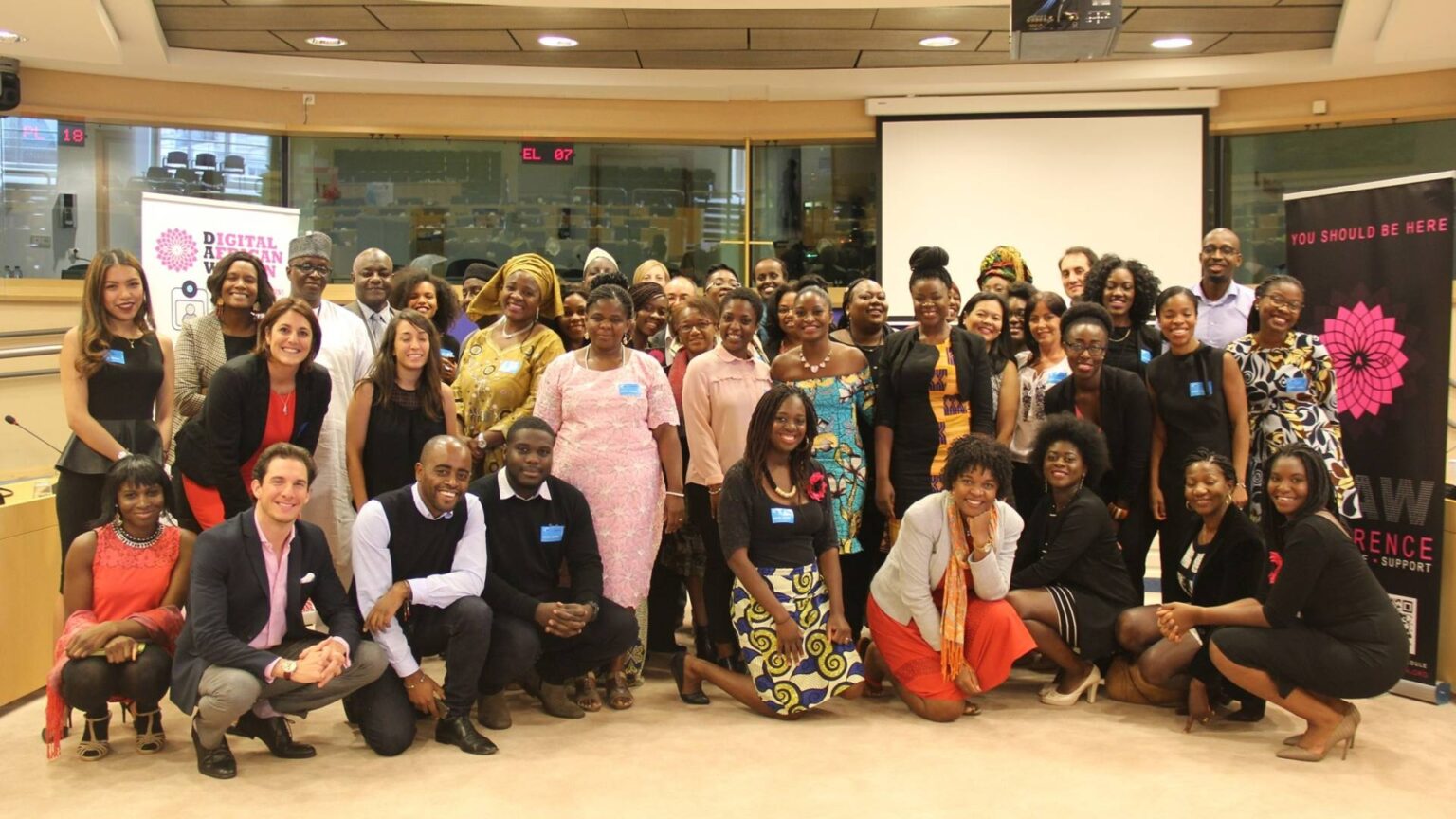
Over the weekend in Nairobi, something quietly practical happened for a group of young African women who had just spent a week deep in leadership training. LEAP Africa and Digital African Woman (DAW) unveiled the DAW Marketplace, a new platform meant to solve a problem that shows up again and again in programmes like this one. Women finish the workshop, feel ready, and then struggle to find where the actual markets, mentors, and money are. This partnership is trying to close that gap.
The offer is concrete. Thirty one participants in LEAP Africa’s Leadership Accelerator Programme, drawn from 12 African countries, now get free access to the DAW Marketplace for a full 12 months, a package valued at $20,000. In practice, that means help starting, scaling, and developing their businesses, plus a way into a pan-African network of founders and business leaders they wouldn’t otherwise have an easy route to. The marketplace itself officially launched on August 8, and it works by letting entrepreneurs join as sellers, either through membership in the DAW cooperative or a monthly subscription.
The partnership was unveiled during the fifth edition of LEAP Africa’s LAP Physical Bootcamp, the intensive, in person week that caps off the Leadership Accelerator Programme. Entrepreneur and ecosystem builder HRM Khadijat Abdulkadir delivered the keynote, speaking on leadership, innovation, and collective action. One line from her talk captured the whole spirit of the partnership: “Women do not need another programme that ends when the workshop ends.” It’s a simple statement, but it’s also exactly the problem this marketplace is trying to fix.
LEAP Africa has spent years building leadership skills in young African women through the Leadership Accelerator Programme, a structured path that runs a three week virtual course, a one week paid bootcamp, six months of one on one mentorship, and lifelong access to an alumni network, all free to apply for. It’s part of a much bigger effort. The organisation says it has reached over 12 million people indirectly, trained more than 51,000 young people in leadership and professional skills, supported over 6,000 entrepreneurs and businesses, and is now working toward reaching 10 million youth across the continent. LEAP Africa’s Executive Director, Kehinde Ayeni, framed this new marketplace as a natural next step for that work, a way to help women turn leadership skills into actual businesses and wider market reach, rather than leaving that translation up to chance once the programme ends.
Digital African Woman is a Belgium based social enterprise that has spent nearly a decade focused on exactly this kind of translation work, building digital skills, mentorship, financial literacy, and business development support for women across Africa and the diaspora. The organisation says it has supported more than 20,000 women since 2016. Where LEAP Africa brings the leadership development and the alumni pipeline, DAW brings the commercial infrastructure, a place those newly trained leaders can actually go to sell, connect, and grow.
What makes this partnership worth paying attention to isn’t the $20,000 figure on its own. It’s the underlying argument both organisations are making, that leadership training and market access have been treated as two separate problems for too long, when for a woman trying to build a business, they’re really the same problem. A LEAP Africa representative put it plainly, saying the Leadership Accelerator Programme was always meant to be about more than competencies, and that ensuring young women have real access to opportunities, partnerships, and support systems after the programme ends was the actual point all along.
Thirty one women across 12 countries is a modest starting cohort, and that’s probably by design, a controlled first run before anyone commits to scaling it further. But the model itself, pairing a leadership pipeline with a ready made commercial platform rather than sending graduates off to figure out market access on their own, is a genuinely different approach from the usual training and certificate model. Whether it becomes something bigger will depend on how many of these 31 women actually turn a year of free marketplace access into a business that outlasts it.