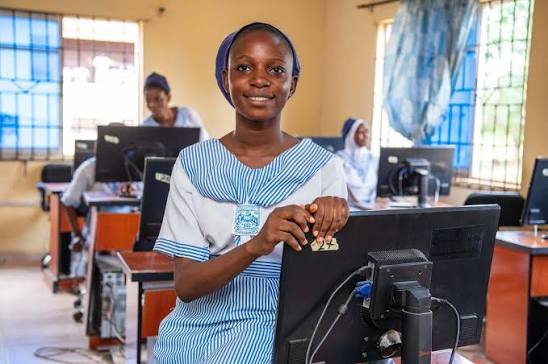
SES, a global satellite company, says it will connect 30 schools in Malawi, Burundi, Zambia and Zimbabwe by the end of 2026. The company says the project could reach 20,000 to 30,000 students and teachers in remote and underserved communities.
The schools are part of SES’s pledge to the International Telecommunication Union (ITU) to connect 100 schools worldwide. SES says some students and teachers already have access to online learning platforms, teacher-training resources and collaboration tools through the project.
The work sits under Partner2Connect, an ITU coalition in which firms, governments and groups make pledges to close the digital gap. The ITU says the coalition now holds more than 1,000 pledges from over 480 organisations in 149 countries. SES made its commitment with the ITU’s Telecommunication Development Bureau. Broadcast Media Africa reported in June that the bureau’s director, Cosmas Zavazava, met SES chief executive Adel Al Saleh in Luxembourg. They discussed ways to widen rural internet access. The report said a project to connect 100 schools came out of the talks.
Here is what SES has said.
| Item | Detail |
|---|---|
| Countries. | Malawi, Burundi, Zambia and Zimbabwe. |
| Schools. | 30 by the end of 2026, out of 100 worldwide. |
| People reached. | An estimated 20,000 to 30,000 students and teachers. |
| What schools get. | Online learning platforms, teacher-training resources and collaboration tools. |
| Partners. | SES and the ITU Telecommunication Development Bureau. |
| Not stated. | School names, how many are already online, the technology and the cost. |
By our sums, those estimates work out to about 670 to 1,000 students and teachers per school. The release does not explain how the range was reached. It also does not say how many of the 30 schools are online today. It does not name them. And it does not say who pays for service after the pledge ends.
Both leaders spoke about more than equipment. Jean-Philippe Gillet, who heads SES’s Fixed Data business, said digital inclusion “requires partners that can translate commitments into connectivity that communities can use and build on.” Zavazava said the project “is about much more than installing equipment.” He said reliable links open the door to digital learning. They also support teachers and build skills. He added that the ITU is working to “turn commitments into delivery.”
Other satellite firms have made similar pledges. Eutelsat, for example, promised in 2022 to connect 1 million people in sub-Saharan Africa by 2027. It says it passed 1.3 million users by 30 June 2025. In May 2026, it pledged to reach 2 million more people by 2030. Those are company figures. They show that satellite firms see schools and rural areas as a growing market and a way to meet public goals.
One point of timing is worth noting. Zavazava lost his bid for a second term at the ITU’s Plenipotentiary Conference in Doha this month. The results page shows Estonia’s Nele Leosk won the Development Bureau post, 93 votes to 83. The new team takes office on 1 January 2027. That is soon after the 30-school target date.
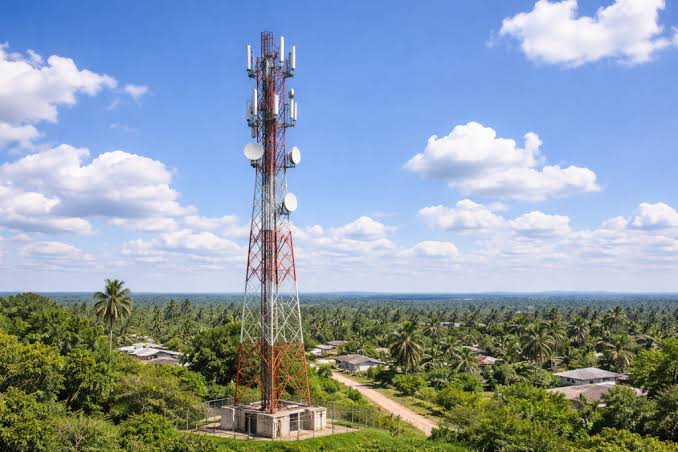
Why it matters: Many rural schools in these four countries have no steady internet. That limits what teachers and pupils can do. Satellite links can reach places where fibre and masts are far away or costly. The harder task is keeping a school online after a pledge ends. That takes money for monthly service, power and devices, and it takes trained teachers. A connection alone does not teach anyone.
What to watch next: which schools are named and when they go online. Watch whether SES shares how many are already connected and what service they get. Watch who pays for the monthly bill after the first year. Watch whether the new ITU development director keeps the project on track. And watch whether other satellite and mobile firms announce similar school pledges in African countries.
Sources: SES announcement on its Partner2Connect commitment, November 2026; Broadcast Media Africa on the ITU and SES partnership, 5 June 2026; ITU Partner2Connect Flash Edition 08; Advanced Television on Eutelsat’s commitment, 19 May 2026; ITU PP-26 election results.
A note for startup founders: Don’t practice on investors. Practice on AI first. RaiseReady by Index Prima is an AI fundraising simulator for African founders: upload your pitch deck, get a readiness score and face a tough AI investor before the real meeting. Find this post, and every post we publish, at raiseready.indexprima.com.