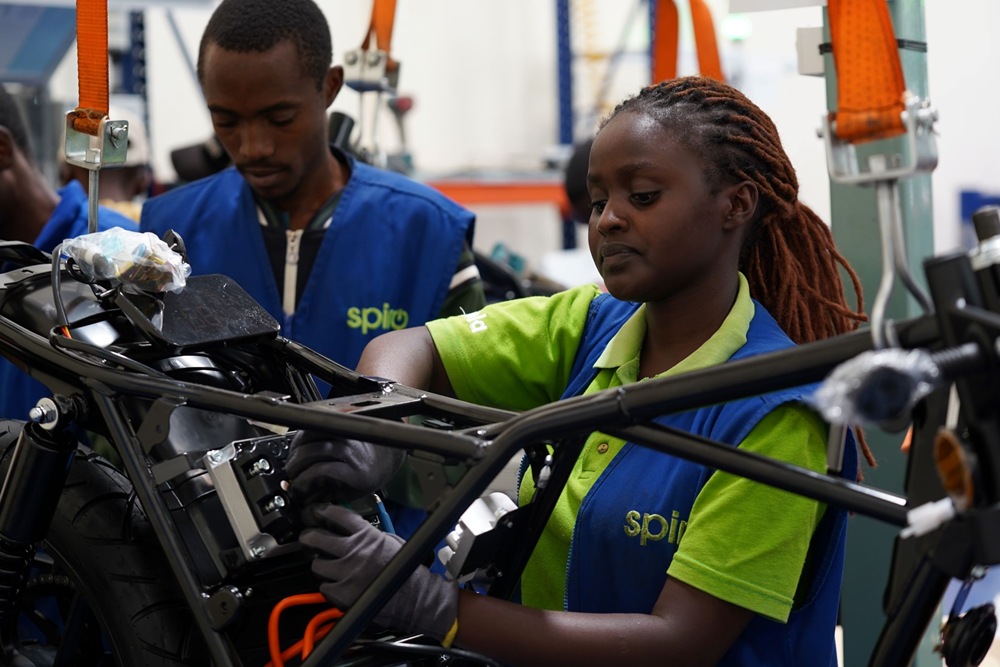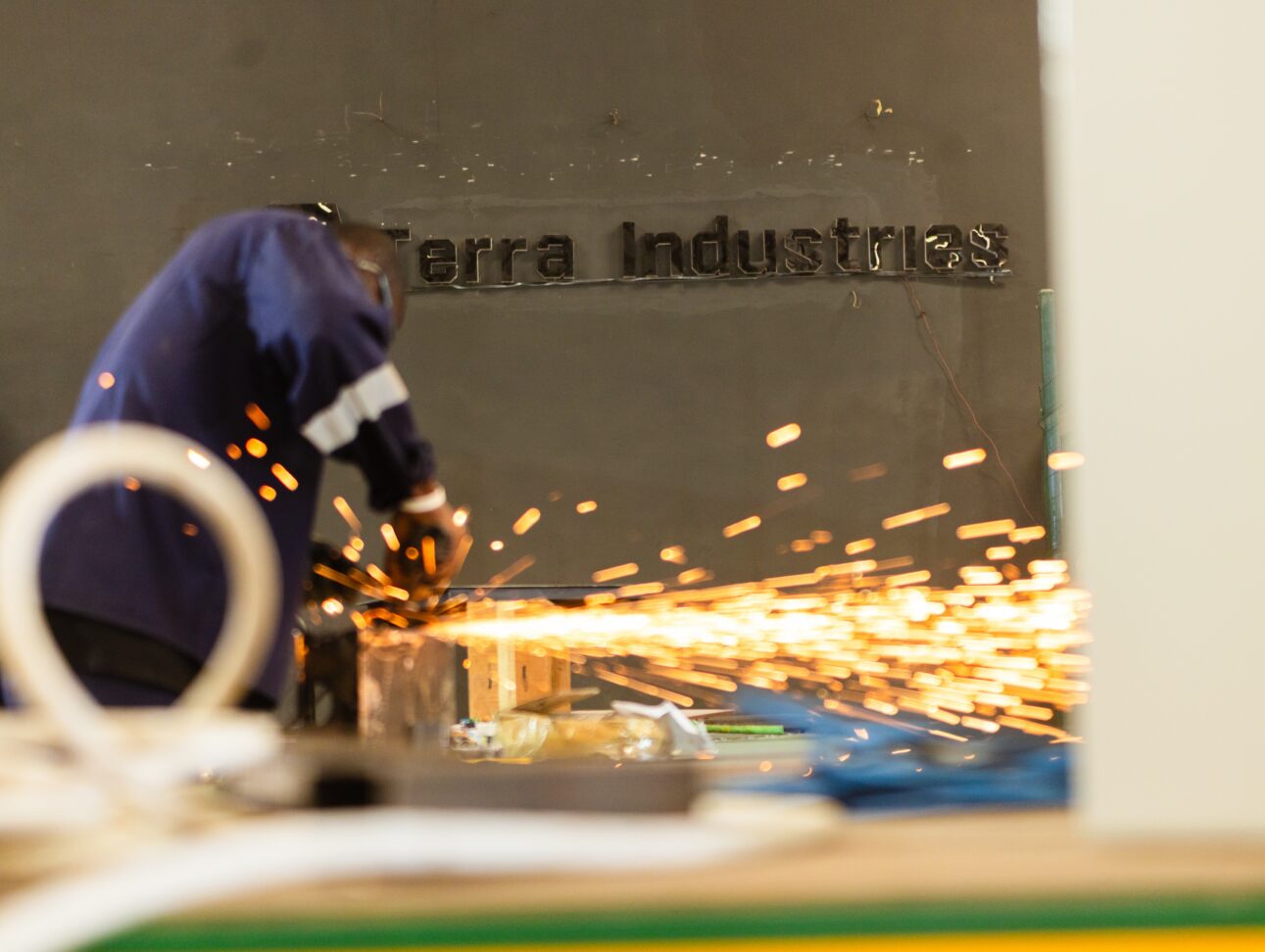
For the past half-decade, the sub-Saharan electric vehicle revolution has largely been an exercise in creative logistics rather than true industrial innovation. To survive the low-margin realities of frontier markets, a dominant cohort of e-mobility startups adopted a highly standardized “repackaging” model: import Completely Knocked-Down (CKD) component kits from manufacturing hubs in China and India, bolt them together in a local urban warehouse, add a green branding package, and label it a localized innovation.
But this framework has hit a hard engineering ceiling. A lightweight electric moped designed for the smooth, flat, paved avenues of Shanghai or Pune routinely disintegrates when subjected to the intense daily routines of African commercial transit. Boda-boda and moto-taxi operators subject their vehicles to extreme thermal stress, unpaved regional corridors, and payload weights that frequently exceed factory specifications by up to three times.
To break this structural dependence on foreign design loops, pan-African e-mobility giant Spiro has executed a major corporate consolidation, acquiring UK- and India-based electric vehicle engineering specialist Coexlion for an undisclosed sum.
Announced at the end of May 2026, the transaction is immediately paired with a major infrastructure plan: Spiro will establish its first dedicated African Research & Development (R&D) Center in Nairobi, Kenya. The move marks a clear shift for the continent’s EV sector, moving away from simple assembly toward genuine, ground-up product ownership.
1. The Engineering Mismatch: Moving Past Retrofitted Imports
The core thesis driving the acquisition is simple: African terrain requires sovereign engineering. By taking full control of Coexlion’s specialized asset base, Spiro integrates an elite team of 28 veteran automotive engineers who have collectively designed and launched more than 2 프로그램5 global motorcycle initiatives.
This incoming talent pool directly complements Spiro’s existing engineering infrastructure, which includes a secondary R&D node in Pune, India, a global team of over 150 engineers, and a defensible portfolio of more than 30 proprietary patents.
Historically, when an imported electric bike failed under commercial conditions in Nairobi or Cotonou, local operators had to wait for design revisions to clear foreign engineering desks thousands of miles away. By anchoring Coexlion’s product development teams directly within East Africa’s primary tech corridor, Spiro closes this operational feedback loop. The Nairobi R&D hub will analyze real-world telemetry, local battery degradation rates, and mechanical failures under real operating conditions, allowing for rapid, localized design adjustments.
2. The Localization Matrix: Rewriting the Supply Chain
The strategic integration of Coexlion alters Spiro’s vehicle architecture across three critical vectors:
-
Chassis & Geometry Reinforcement: Redesigning the physical frame from scratch to withstand rough roads and heavy payloads, moving away from brittle, low-clearance commuter geometries.
-
Thermal Management & Battery Sizing: Optimizing battery enclosures and cell-configuration geometries to resist intense dust contamination and extreme heat, preserving long-term state-of-health (SoH) metrics.
-
Component Localisation: Standardizing parts to allow local light-industrial manufacturers to cast and stamp replacements locally, progressively bypassing expensive, slow-moving maritime freight pipelines.
          SPIRO'S VALUE CHAIN EVOLUTION (2026)

  LEGACY PARADIGM:
  [Foreign Design] ➔ [Chinese/Indian CKD Kits] ➔ [Local Assembly] ➔ [Rider]

  THE NEW STRUCTURAL MATRIX:
  [Nairobi R&D Hub] ➔ [Proprietary IP Ownership] ➔ [Local Component Sourcing] ➔ [Rider]
Technical Shift: Assembly Operations vs. Full-Stack R&D Ownership
| Architectural Vector | Legacy Import & Assemble Model | Spiro’s Post-Acquisition Full-Stack Model |
| Intellectual Property | Licensed or white-labeled from third-party foreign OEMs; zero local engineering ownership. | Fully internalized IP portfolio covering chassis geometry, powertrain configurations, and battery software. |
| Supply Chain Profile | Total exposure to foreign exchange fluctuations, tariff changes, and shipping delays on CKD kits. | Progressive reduction of CKD reliance through component localization and domestic manufacturing. |
| Product Adaptability | Minor, superficial retrofits (e.g., stiffening rear shocks, changing tire treads). | Ground-up engineering built specifically for African commercial rider behaviors and infrastructure. |
| Data Loop Realism | Telemetry analyzed remotely; slow product iteration cycles. | Real-time field data fed directly into the Nairobi R&D node for rapid, localized prototyping. |
3. Funding Dominance and the Battle for the Grid
Spiro’s move upstream into heavy engineering is heavily supported by its strong balance sheet. The company has raised over $200 million in institutional financing from a premium group of global and regional allocators, including Afreximbank (via the Fund for Export Development in Africa – FEDA), Société Générale, Nithio, and the Africa Go Green Fund.
This capital has allowed Spiro to build a massive competitive advantage across the continent:
-
The Fleet Footprint: Managing a fleet of over 95,000 electric motorcycles deployed across six key countries: Kenya, Uganda, Rwanda, Nigeria, Togo, and Benin.
-
The Infrastructure Moat: Operating more than 2,500 automated battery-swapping stations, converting its business from a hardware sales operation into an essential, high-frequency energy utility network.
-
Market Saturation: Commanding an ironclad 52% market share of all new electric bike sales in Kenya, the undisputed center of East African e-mobility innovation.
The Index Take
By establishing an R&D anchor in Nairobi, Spiro is building a powerful defense against both legacy Western importers and cheaper, un-adapted electric options entering the market from Asia. Owning its engineering stack allows Spiro to lower its total cost of ownership (TCO) for riders, make its battery swap network more efficient, and negotiate with regional governments as a true industrial partner rather than a high-volume importer.
As African nations tighten local content requirements and expand green manufacturing incentives, Spiro’s transition from a logistical assembler to an IP-owning manufacturer provides a clear blueprint for the future of heavy technology on the continent.
Sources & References
-
[1] AU-Startups Capital Terminal: Spiro Acquires UK Engineering Firm Coexlion to Accelerate African E-Mobility Innovation
-
[2] Daba Finance Market Intelligence: Spiro Buys Coexlion to Launch Sovereign EV Motorbike R&D Hub in Nairobi
-
[3] Electrive Global EV Network: Spiro Acquires Coexlion and Plans First African R&D Centre in Kenya
-
[4] Africa Business Communities Ledger: Strategic Consolidation: Spiro Integrates UK-Based Coexlion to Localize Two-Wheeler Architecture
-
[5] Techpoint Africa Executive Digest: Industrial Autonomy: Inside Spiro’s Pivot from Vehicle Assembler to Sovereign IP Owner
Why Africa’s 2026 Startup Ecosystem is Swapping Compounding Scale for Cash-Flow Realism