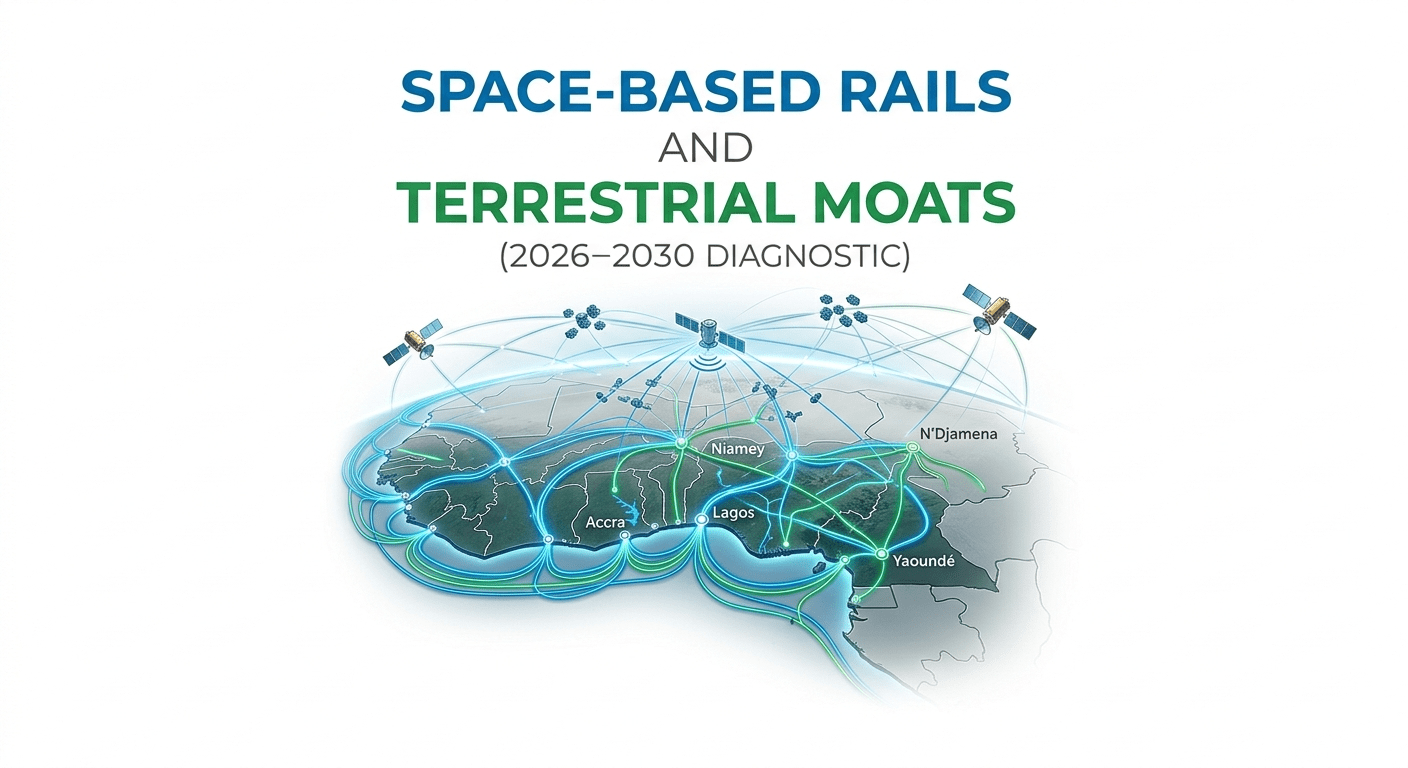
In the 2026 landscape, Low Earth Orbit (LEO) satellite constellations (Starlink, OneWeb, Amazon Kuiper) have become the most disruptive force in African connectivity. However, the report titled “Telecoms Offshored: The Strategic Challenge of Satellite Internet for African Economies” warns of a growing “Mechanical Asymmetry.”
-
The Core Logic: Traditional telcos (MTN, Airtel, Safaricom) must invest billions in physical fiber, towers, and local jobs while paying heavy domestic taxes. Satellite operators, conversely, can beam high-speed internet from “offshore” with minimal ground infrastructure, creating a structural imbalance in the market.
-
The Revenue Leak: The report, authored by the Africa CEO Forum and Askya Investment Partners, highlights that without intervention, African states risk losing the tax base and “Universal Service Fund” contributions that terrestrial operators provide.
The manifesto identifies a critical error in current policy thinking. While the “Coverage Gap” (physical reach) is shrinking, the “Usage Gap” remains the primary bug.
-
The Data: 60% of Africans live within reach of a 4G/5G network but remain offline due to device costs and data affordability.
-
The Satellite Conflict: By targeting high-value urban customers to recoup their massive Capex, satellite operators are “creaming” the market, potentially draining the revenue terrestrial telcos need to expand rural fiber—the very infrastructure required to close the usage gap for the masses.
The manifesto moves beyond a mere warning, providing a technical roadmap for African heads of state to re-assert control over their digital borders. This is the Hard-Coding of Digital Sovereignty:
-
Harmonized Licensing: Moving away from 54 fragmented rules to a unified continental framework to increase Africa’s bargaining power against global tech giants.
-
In-Country Data Gateways: Requiring satellite providers to land traffic at local gateways. This ensures national security, facilitates lawful interception, and creates local technical jobs.
-
Critical Infrastructure Standards: Classifying satellite constellations as “Critical National Infrastructure,” subjecting them to the same security and reliability audits as national fiber backbones.
-
Fiscal Neutrality: Implementing a “Level Playing Field” tax logic, ensuring satellite firms contribute to national treasuries at the same rate as local terrestrial operators.
-
Direct-to-Device (D2D) Guardrails: As LEO satellites begin to connect directly to unmodified smartphones, the report calls for strict spectrum management to prevent interference with existing 4G/5G rails.
IV. THE VITALS: “Telecoms Offshored” Report Scorecard
| Metric | Details |
| Primary Authors | Africa CEO Forum & Askya Investment Partners |
| Launch Venue | Africa CEO Forum 2026, Kigali (May 15) |
| Primary Risk | “Offshoring” of telecoms revenue & digital autonomy |
| Key Stakeholders | Ministries of Finance, Economy, and Defense |
| The “Scale” Theme | Shared Ownership: Africa must own its digital future |
THE FOUNDER PLAYBOOK: Navigating the Hybrid Era
For the 2026 architect, this manifesto signals a shift in the investment landscape. The era of “unregulated satellite” is closing, replaced by a Hybrid Connectivity Model:
-
Integration > Competition: Success lies in startups that can bridge the gap between LEO satellite backhaul and local mesh-wifi or 5G distribution.
-
Compliance as a Moat: As governments implement “In-Country Gateways,” startups that prioritize local data residency and regulatory compliance will have the first-mover advantage.
-
The End of Light Licensing: Founders should prepare for a future where “Software-only” satellite solutions are treated with the same weight as physical infrastructure.
Sources & References
-
[1] Africa CEO Forum Official: Telecoms Offshored – ACF Report 2026: Insight and Download
-
[2] NewsGhana: Africa CEO Forum Warns on Satellite Internet Regulatory Gaps
-
[3] Modern Ghana: African Satellite Boom: Why New Rules are Needed to Safeguard Public Revenue
-
[4] Askya Investment Partners: Sovereignty and the LEO Constellation: A Strategic Roadmap for Africa
The “Index” Take: In 2021, we welcomed any signal from the sky. In 2026, we are asking for the Source Code of Ownership. Babacar Seck, Managing Partner of Askya, put it bluntly in Kigali today: “The regulatory choices governments make today will determine if Africa builds its digital future or imports it.” This manifesto is the signal that Africa is no longer content to be a passive consumer of “offshore” bytes. We are hard-coding the right to govern the air.“*