The End of “Send Me the Receipt”: What Paystack and PesaLink’s Expanded Partnership Means for Kenyan Enterprise Tech
In Kenya’s digital economy, mobile money has long been the default standard for retail checkouts. However, for B2B platforms, high-end e-commerce, real estate, and professional services, mobile money limits often fall short.
For years, high-value transactions on the continent have relied on manual bank transfers, followed by a frustrating ritual: the customer emailing a PDF “proof of payment” and a finance team manually scouring bank statements to reconcile the ledger.
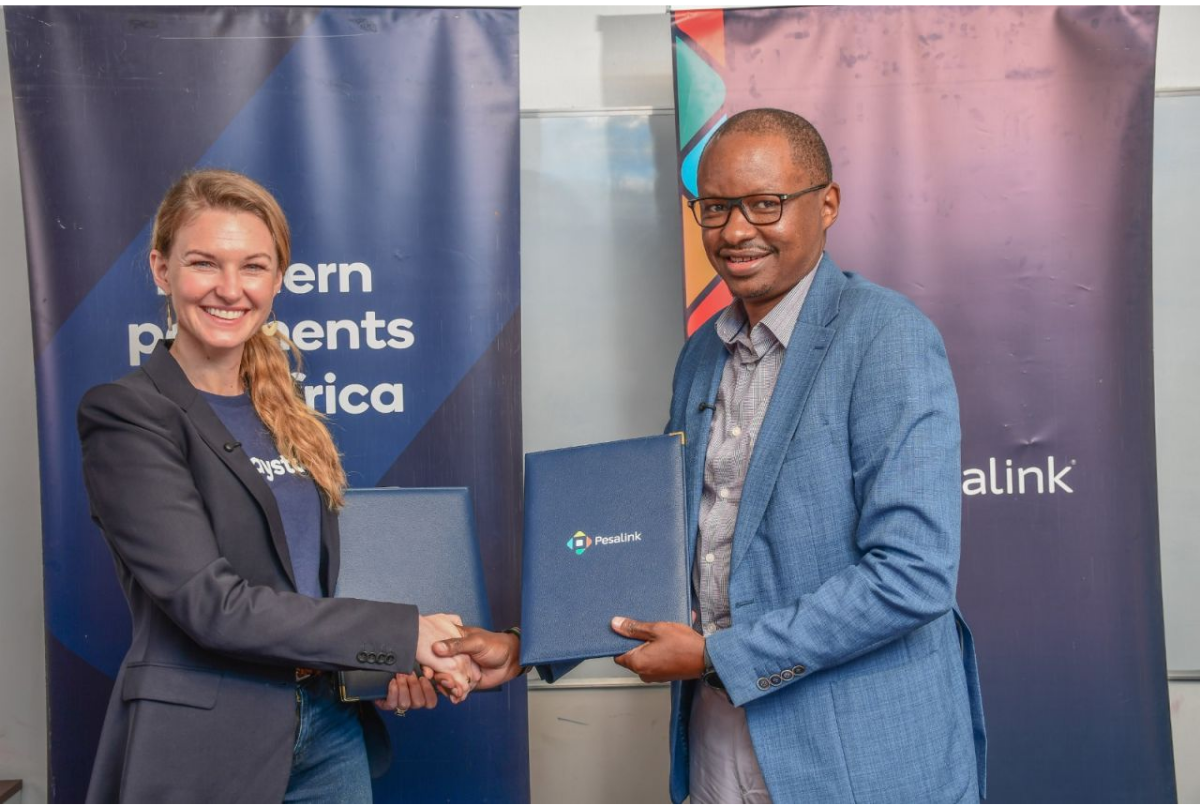
The expanded partnership between Paystack and PesaLink—which integrates PesaLink’s real-time interbank rails directly into the Paystack Checkout—is a major step toward solving this issue. By converting traditional bank transfers into an API-driven, checkout-native payment method, they are unlocking seamless high-ticket transactions for Kenyan businesses.
Channel Comparison: Choosing the Right Checkout Method in Kenya
When configuring a checkout flow for Kenyan customers, founders need to balance transactional limits, customer preferences, and operational overhead:
| Payment Channel | Max Single Limit (KES) | Ideal Use Case | Processing & Reconciliation | Merchant Advantage |
| Mobile Money (M-PESA) | KES 250,000 | Everyday B2C, retail, food delivery, utility payments. | Fully automated via Paystack Mobile Money API. | High customer adoption and convenience. |
| Direct Bank (PesaLink) | KES 999,999 | B2B supplies, tuition, high-value electronics, professional retainers. | Fully automated matching; eliminates manual statement checks. | High trust, lower fraud risk, and optimized for large baskets. |
| Cards (Visa/Mastercard) | Subject to individual card limits. | International customers, recurring SaaS subscriptions, luxury retail. | Automated clearing; integrated fraud-monitoring frameworks. | Multi-currency settlement options. |
The Zero-Manual-Touch Reconciliation Loop
By moving PesaLink from a back-end settlement utility to a front-end collection method, Paystack has closed the operational loop for bank transfers:
Strategic Takeaways for B2B and High-Value Founders
If you are building technology platforms in East Africa, this partnership opens up several high-value product vectors:
1. Building Capital-Efficient B2B Marketplaces
B2B marketplaces matching wholesale distributors with retailers have historically struggled with cart abandonment because retailers couldn’t easily check out with high invoice amounts. Integrating direct, real-time bank checkout allows you to capture larger order values while preserving a smooth, consumer-grade user experience.
2. Drastically Reducing Finance Admin Costs
For growth-stage startups, manual bookkeeping is an operational bottleneck. Every hour your finance team spends matching bank deposits to customer profiles is an hour lost. Transitioning high-value B2B collections to direct-bank checkout allows you to automate your ledger matching, reducing human error and keeping administrative operations lean.
3. Bypassing Liquidity and Card Security Hesitancy
Many corporate clients are hesitant to use corporate credit cards for large transactions due to low credit ceilings or cybersecurity concerns. Direct bank transfers through trusted PesaLink banking apps bypass this psychological barrier entirely, utilizing bank-grade USSD and biometric authentication to secure high-ticket B2B sales.
The Big Picture: Paystack’s work with PesaLink is a prime example of building localized payment solutions that fit the actual cash flows of regional businesses. By combining the immediate notification of mobile money with the security and volume capacity of traditional bank accounts, they are quietly building the underlying infrastructure for a unified African digital market.