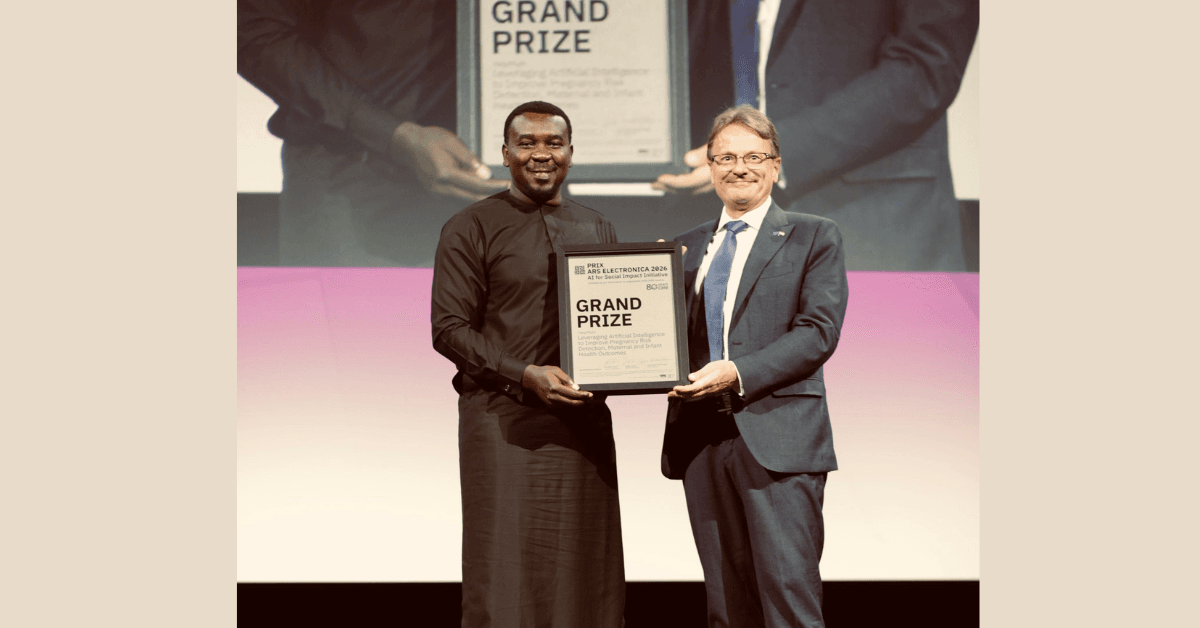
Sandra Nabakka’s startup SANDI AI just won the biggest prize of its short life, taking the $50,000 female-led Grand Prize at the GoGettaz Agripreneur Prize during the Africa Food Systems Forum in Kigali on September 3. The Ugandan founder built her company around a problem she watched play out in her own family: her father struggled for years to secure financing for irrigation equipment simply because he lacked the collateral a traditional bank loan requires. That problem, repeated across millions of African smallholder farms, is what SANDI AI is trying to solve with artificial intelligence.
The Credit Problem SANDI AI Is Actually Built Around
The scale of what Nabakka is up against is stark. According to the African Development Bank, only about 6% of smallholder farmers across the continent have access to credit, and agricultural lending makes up less than 5% of many African banks’ loan books, even in countries where farming employs the majority of the population. Lenders treat farmers as high risk precisely because they typically can’t offer fixed assets or formal employment records as security, regardless of how productive their land actually is or how reliable their harvest history looks. SANDI AI’s core bet is that this is the wrong test entirely. Rather than scoring farmers on asset ownership, the platform uses AI to build a picture of a farmer’s actual productivity and potential, reading signals like yield history and confirmed buyers instead of a land title. “Farmers should not be limited by systems that were not designed around their realities,” Nabakka has said, framing the company’s mission around recognising farmers’ potential rather than filtering them out through paperwork they were never going to have.
From Financing to Actually Irrigating
That credit model connects directly to what SANDI AI actually helps farmers buy: irrigation equipment and other agricultural assets, financed through community-based rotational savings circles rather than conventional bank loans. Once a farmer group secures that equipment, SANDI AI’s newer Moisture Intelligence feature, launched in mid-2026, takes over the harder day-to-day question of how to actually use it well. Farmers place two to six low-cost soil moisture sensors, priced under $20 each, at root-zone depth across different parts of their plots, capturing conditions in drier slopes, shaded areas, or wherever high-demand crops like maize, tomatoes, or coffee are growing. That sensor data feeds into a system combining hyper-local weather forecasts, crop-specific water needs, soil type, topography, and evapotranspiration rates, run through machine learning trained specifically on East African soil types, from volcanic loams to the region’s deep red clays. The output is simple and immediately actionable: a clear recommendation telling a farmer exactly which section of their field needs water first, rather than leaving that decision to guesswork. Paired with solar-powered pumps replacing diesel or manual labour, Nabakka says the combined system lets farmers save up to 40% of their water use while cutting fuel costs entirely.
Real Numbers Behind the Pitch
SANDI AI isn’t operating purely on ambition. The company says it has facilitated roughly $800,000 worth of irrigation assets for organised farmer groups across three East African countries, and describes its platform as having supported thousands of farmer groups to date, figures shared directly by Nabakka rather than independently audited, but consistent with a company that’s now won recognition at one of the continent’s most competitive agribusiness prizes rather than an unproven concept still looking for its first users.
What Hasn’t Been Made Public Yet
It’s worth being clear about the limits of what’s currently known. SANDI AI hasn’t publicly disclosed which lenders or financial partners it actually works with to move money into farmers’ hands, how many individual farmers its AI model has scored, what its default or repayment rates look like, or precisely what data feeds the underlying credit model. None of that undermines the company’s traction so far, but it does mean the more interesting test of whether this approach genuinely works at scale, not just at the pilot and prize-winning stage, is still ahead rather than behind it.
Why the GoGettaz Win Matters Beyond the Cheque
The GoGettaz Agripreneur Prize, run by Generation Africa with a total prize pool of $160,000 split between female-led and male-led grand prize winners, is one of the more visible stages a young African agribusiness founder can stand on. For SANDI AI, the real value of winning isn’t just the $50,000 itself, it’s the exposure to the investors, policymakers, and potential partners who attend the Africa Food Systems Forum specifically looking for exactly this kind of company. Whether SANDI AI can turn that exposure, plus the fresh capital, into genuine proof that its model scales beyond its current footprint is the question that will determine if this becomes a defining East African agritech story or one very promising prize-winning pilot among many.