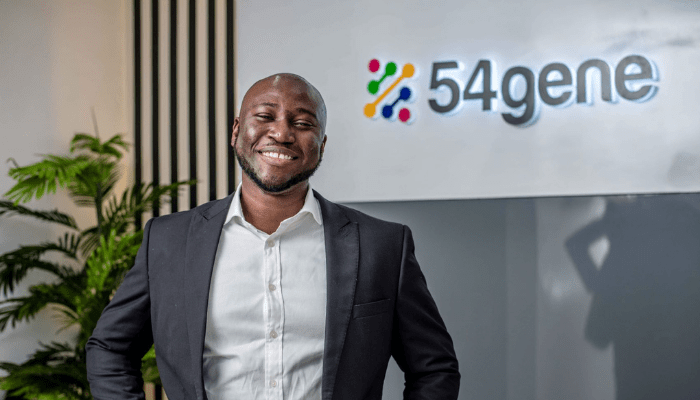
54gene, a Nigerian genomics startup, raised about $45 million and was once valued at $170 million. By July 2023, it had begun winding down, after layoffs, three changes of chief executive and a fight over control.
The company set out in 2019 to put African DNA into global medical research. Covid testing brought in a surge of cash, then dried up. A costly diagnostics arm, a sharp fall in value and a dispute among its leaders did the rest, TechCabal reports. Its founder now says investors forced the end, and they reject the claim. Four lessons stand out for founders in health and biotech.
It began in 2019. Dr. Abasi Ene-Obong, a co-founder and its chief executive, wanted to fix a gap. Less than 3% of the genetic material used in global drug research comes from Africa, TechCabal says, citing TechCrunch. 54gene planned to build a biobank, which is a store of donated biological samples, and to sell data and research services to drug makers. iAfrikan reports that it joined Y Combinator in 2019 and drew a $4.5 million seed round that year. A $15 million Series A followed in 2020, and a $25 million Series B in 2021.
Here is how the story ran, as reported.
| When | What was reported |
|---|---|
| 2019. | Founded. A $4.5 million seed round. |
| 2020. | A $15 million Series A, to expand Covid testing. |
| 2021. | A $25 million Series B, which TechCabal says valued it at $170 million. A diagnostics arm, 7RiverLabs, opens. |
| Mid-2022. | Cash runs low. Salaries are cut and staff are laid off. |
| October 2022. | Ene-Obong steps down. A down round cuts the value to about $50 million, says TechCabal. |
| March to July 2023. | A new chief executive, Ron Chiarello, serves and then leaves. |
| July 2023. | The wind-down begins. |
| September 2023. | TechCabal reports the shutdown. |
The Covid boom was real. Two sources told TechCabal that testing brought in at least $20 million in revenue. But that income was short-lived. By the end of 2021, the same report says, the testing business was not sustainable. The company had also opened 7RiverLabs, a diagnostics arm with collection sites in four Nigerian cities. TechCabal’s sources call it the biggest drain on cash. It closed in under eight months.
Costs in genomics are heavy. TechCabal says a sequencing machine can cost up to $1 million, and each sample costs $500 to $700 to sequence. Data storage and weak power supply add more. By mid-2022, sources say, the firm had run out of money. It cut 30% of its staff, then more. Anonymous sources put headcount at over 300 before the cuts and at 39 two months later. TechCabal says creditors, including equipment suppliers, were reportedly unpaid.
Leadership then shifted fast. Teresia Bost, the company’s legal counsel, took over after Ene-Obong. Reports give conflicting dates for her time in the role. Chiarello came in March 2023 and left in July, TechCabal reports. Bost has sued the company and others in a New Jersey court. She alleges discrimination and a pay cut. We have not seen a response from the defendants.
The story did not end with the shutdown. In July 2025, TechCabal says, Ene-Obong petitioned a court against two of the largest investors, Cathay AfricInvest Innovation Fund and Adjuvant Capital. He claims they sidelined the board, rejected a $110 million rescue offer and forced the Nigerian company into bankruptcy. A Lagos court has blocked the sale of assets that include data on 100,000 Nigerians, priced at $3 million. Adjuvant says it cannot comment on a case before the court. It says it acts in the “best interests of our partner companies” and wants to protect the biobank. Cathay did not reply. The case awaits judgment.
So what is the lesson? Our reading is that there are four.
First, a windfall is not a business. Covid testing paid well, but it was tied to one event. Founders should treat that cash as a bridge and plan the next product while it lasts.
Second, guard your core. A diagnostics arm pulled money from the research that made 54gene special. A side project should not be able to sink the main bet.
Third, read the terms behind the valuation. TechCabal reports the Series B carried a 3x to 4x liquidation preference, which means investors get paid first and more. A high price today can leave founders with little say when a down round comes.
Fourth, keep the top team steady. Three chief executives in about a year, plus open fights, scared off new money. Where a company holds health data, it must also be able to say who guards that data, and how.
Why it matters: Africa needs its own genomic data, and few firms have tried to build it. 54gene’s fall may make global investors wary, as one health founder told TechCabal. For founders, the point is practical. Deep science needs patient money, strict cost control and clear governance. For Nigerians, the open question is who holds the data of the people who gave their samples.
What to watch next: the ruling from the Lagos court on the asset sale. Watch what happens to the biobank and the data in it. Watch whether the New Jersey case moves forward. Watch how investors treat African health and biotech start-ups after this case. And watch whether other firms find ways to share African genomic data with clear consent.
Sources: TechCabal on 54gene’s shutdown, 27 September 2023; TechCabal on 54gene’s series of debacles, 31 October 2022; TechCabal on the court block on 54gene’s asset sale, 1 August 2025; iAfrikan on the rise and fall of 54gene.
A note for startup founders: Don’t practice on investors. Practice on AI first. RaiseReady by Index Prima is an AI fundraising simulator for African founders: upload your pitch deck, get a readiness score and face a tough AI investor before the real meeting. Find this post, and every post we publish, at raiseready.indexprima.com.