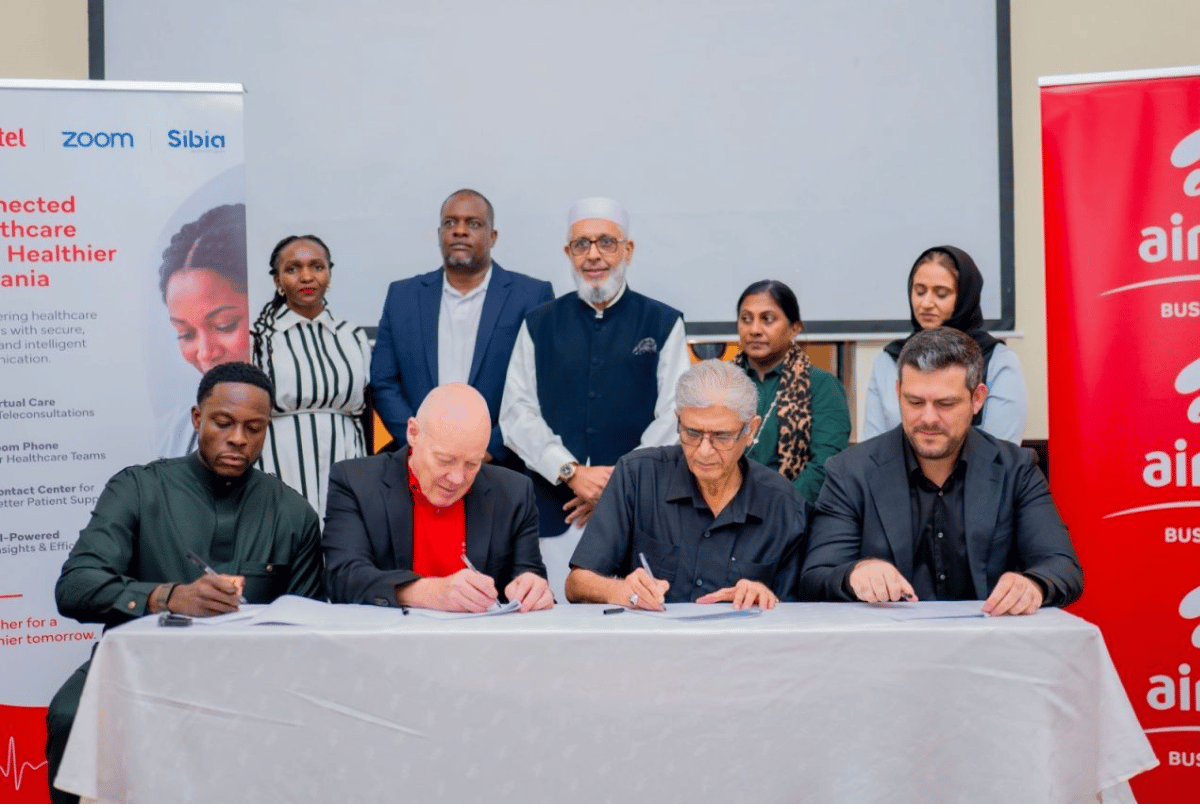
Seeing a doctor in Tanzania can mean a long trip, a long wait and a day of lost income. A new partnership wants to test whether video calls and better messaging can help. The Airtel Africa Foundation has teamed up with Zoom and Sibia Technologies, working through Airtel Tanzania, to explore digital healthcare solutions in the country. TechAfrica News reported the news on October 14, 2026. The word to hold onto is “explore.” The announcement describes an early-stage effort, not a launched service.
The reported focus is on three things: virtual consultations, patient engagement, and better communication between patients and health workers. The stated hope is that patients get more ways to reach care, while doctors, nurses and other staff can work together more easily. That is a sensible goal. But the announcement gives no figures, no budget, no timeline, no pilot sites and no quotes from any of the three organisations. It does not say whether a pilot has begun or is planned.
The roles are also unclear. The report does not say who will build the tools, who will run them or who will pay. It does not name any hospitals or clinics. Zoom is best known for video calls, and Airtel Tanzania provides connectivity. Sibia Technologies is the least clear piece. Its own website describes it as a Dubai-based company that helps organisations adopt digital tools, led by an advertising product called TravelAd. The site does not mention healthcare or Zoom. That does not mean it has no role, but readers should know what each partner is expected to bring.
One detail in the announcement does not quite fit. It calls the project part of the Foundation’s expansion into new African markets in 2026. Yet the Foundation already says it works in 14 African countries, and reports from June 2026 show it awarded Airtel Africa Tech Fellowship scholarships in Tanzania. The Foundation’s website lists four focus areas: financial inclusion, education, environmental sustainability and digital inclusion. Health is not among them. So “new” may refer to a new area of work, not a new country. The announcement does not explain, and we could not find a Foundation statement on the point.
Why might this matter? Research on digital health in Tanzania points to the obstacles. A 2026 review in Frontiers in Health Services found weak internet in health facilities. It also found that unsecured messaging apps raise privacy worries, and that trust shapes whether people use digital tools. Funding is named as a barrier too. A telecom operator can help with the first problem, since connectivity is its business. The others need clear rules, trained staff and fair prices.
Airtel has tried this kind of idea before. In 2016, Airtel Africa and Apollo Hospitals signed an agreement to offer video and voice consultations with doctors, with payment by Airtel Money or airtime. We found no report on how that service performed, so it says little about this one.
For now, the useful questions are practical ones. Will the consultations be free or paid? Will they work on basic phones and weak networks, or only on smartphones? How will patient records be protected? Will they link to existing hospitals and government health systems? Do licensed Tanzanian health workers deliver the care? None are answered yet. Watch for a pilot announcement, named health partners, data protection details and a statement from the Foundation on what it will fund.
Sources: TechAfrica News on the partnership; Airtel Africa Foundation; TechAfrica News on the Foundation’s FY26 results; Sibia Technologies; Frontiers in Health Services review of digital health in Tanzania; ICT&health on the 2016 Apollo Hospitals agreement.
A note for startup founders: Don’t practice on investors. Practice on AI first. RaiseReady by Index Prima is an AI fundraising simulator for African founders: upload your pitch deck, get a readiness score and face a tough AI investor before the real meeting. Find this post, and every post we publish, at raiseready.indexprima.com.