Edukoya raised $3.5 million, said to be Africa’s largest pre-seed round at the time, and says it reached more than 80,000 students. In February 2025, the Nigerian edtech startup told stakeholders it was closing.
Edukoya sold live online classes and tutoring to families for children in school, from a base in Lagos. The company says the market was not ready. Poor internet, few devices and tight household budgets slowed its growth. Rather than keep spending, it chose to give the remaining money back to investors. Four lessons stand out for founders who build for African learners.
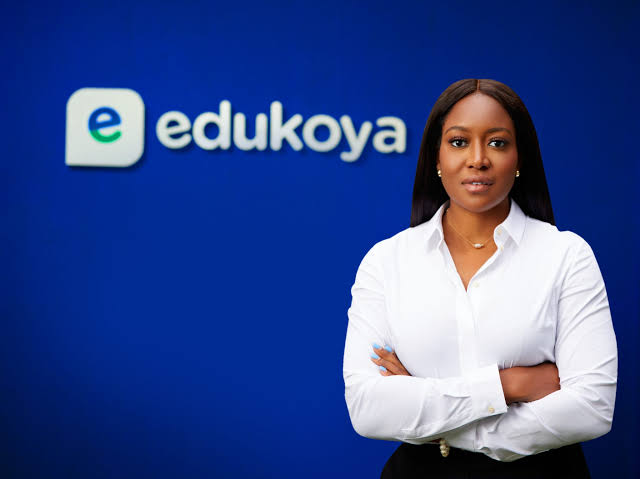
It began in May 2021 in Lagos. Honey Ogundeyi, the founder and chief executive, built Edukoya to fill gaps she saw in how children learn in Nigeria. The product was a live, or synchronous, model. Pupils joined classes at set times and got help from tutors, with content and AI tools added on top. Backers saw a big chance. LaunchBase Africa reports that Target Global led the pre-seed round, and that angels included the founders of Kuda Bank and Paystack’s chief executive, Shola Akinlade. We found that detail in one source only.
The company says its reach was wide. More than 80,000 students used the platform, it says, and more than 15 million questions were answered. It also says thousands of live classes ran each day. These are company claims, and we found no outside count.
Here is how the story ran, as reported.
| When | What was reported |
|---|---|
| May 2021. | Edukoya launches in Lagos. |
| 2021. | A $3.5 million pre-seed round, said to be the largest in Africa at the time. |
| 2022. | Layoffs, which reports link to over-hiring. |
| Before the closure. | The firm explores partnerships, mergers and new business models. Talks on a sale fail, says one report. |
| Before February 2025. | Sources tell Techpoint Africa the office has been shut for more than six months. |
| 26 February 2025. | Techpoint Africa reports the closure, based on a statement to stakeholders. |
So why did it fail? The company gave a clear answer. In its statement, it said it “encountered significant market readiness challenges in scaling our synchronous learning model.” It also named patchy internet, limited access to devices, low disposable income and weak economic conditions. It described itself as ahead of its time. Rather than “deplete resources chasing scale in a challenging market,” it said, it would return capital to investors. The amount has not been made public.
Outside voices add detail. TechCabal reports that Edukoya struggled to turn free users into paying subscribers, partly because parents or guardians pay. In Nigeria, it says, inflation and the end of the petrol subsidy pushed families to put food and rent ahead of school extras. A rise of about 50% in telecom tariffs made data dearer. The same piece points to another edtech, Zummit Africa. Its CEO says that when it moved from free to paid in 2022, its take-up rate fell from the 80% to 90% range to 30%.
Some details are less clear. LaunchBase Africa studied UK filings and noted rising net liabilities and a large debt balance. But it says it could not tie those numbers to the $3.5 million raise, since the figures mix pounds and dollars. We treat them as open questions. The company also denied a rumour that it had pivoted to fintech. It says its Koya App, a savings app for children, is a separate project.
An investor told Techpoint Africa the closure “demonstrates an ability to recognise when market forces make VC-scale outcomes unviable.” That is one view. Others will ask whether the team moved too slowly, or spent too fast.
So what is the lesson? Our reading is that there are four.
First, a big first cheque is not proof that people want your product. Edukoya had money, backers and a bold idea. The test is whether parents keep paying month after month. Founders should measure that before they hire ahead of demand.
Second, build for the connection your users really have. Live classes need steady data, a working device and a quiet hour at home. Where those are costly, a lighter product, such as recorded lessons or low-data tools, may reach more pupils.
Third, know who pays and how. Children use the app, but parents hold the wallet. TechCabal lists other routes, such as selling to schools, licensing content, taking a commission or working with state governments. A single family subscription is hard to hold when prices rise.
Fourth, a careful stop is a skill. Edukoya chose to return what was left. We cannot say how much, or whether it came soon enough. Still, founders who treat investors fairly at the end protect their name for the next build.
Why it matters: Africa has a young population and big gaps in learning, so demand for better schooling is real. But Edukoya shows that demand and the ability to pay are not the same thing. For founders and investors, the lesson is to test price, data costs and device access early, and to pick models that survive a tough year in Nigeria.
What to watch next: how edtech startups in Nigeria shift toward schools, governments and licensing deals. Watch whether funders back lighter, low-data learning tools. Watch what Ogundeyi builds next. Watch how data prices and household incomes move through 2027. And watch whether more African startups that raised big early rounds choose to return capital.
Sources: Techpoint Africa on Edukoya’s shutdown, 26 February 2025; Nairametrics on Edukoya, 26 February 2025; LaunchBase Africa on what went wrong at Edukoya, 27 February 2025; TechCabal on why Nigerian edtech startups struggle, 12 March 2025.
A note for startup founders: Don’t practice on investors. Practice on AI first. RaiseReady by Index Prima is an AI fundraising simulator for African founders: upload your pitch deck, get a readiness score and face a tough AI investor before the real meeting. Find this post, and every post we publish, at raiseready.indexprima.com.